Winter 2026 Overview
This has been a really strong Winter Season, with returning series as diverse as Frieren, Medalist, Golden Kamuy, Jujutsu Kaisen and several more besides streaming alongside impressive newcomers like Journal with Witch, Tamon’s B-Side and Shiboyugi. Our writers are here to share their thoughts on the end of the season and which of their chosen series have lasted the course – and maybe one or two that turned out to be surprise hits (and one or two that fell by the wayside). Have we missed some hidden treasures? Let us know which were your favourites!
Our Winter 2026 Picks
Hell Teacher: Jigoku Sensei Nube Part 2
Isekai Office Worker: The Other World’s Books Depend on the Bean Counter
Journal with Witch
Jujutsu Kaisen Season 3 The Culling Game Part 1
Gnosia
Golden Kamuy Final Season Part 1
Medalist Season 2
MHA Vigilantes Season 2
[Oshi no Ko] Season 3
Tamon’s B-Side
The Invisible Man and his Soon-to-be Wife
Wash It All Away
You and I Are Polar Opposites
Yoroi-Shinden Samurai Troopers
Demelza

My hidden diamond pick at the start of the season came in the form of Tamon’s B-Side, an adaptation of a shojo manga that had completely slipped under my radar until this anime. And now we’ve reached the end, and I find myself completely in love with the story of Utage and her challenges working with the members of the F/ACE idol group.
When I wrote about the series in the preview, I talked about how it seemed like J.C. Staff immediately understood the original work and subject matter. And that’s a feeling that stayed with me all the way through. Tamon’s B-Side is a love letter to idol culture and their fans, but more than that, it humanises the idols themselves.
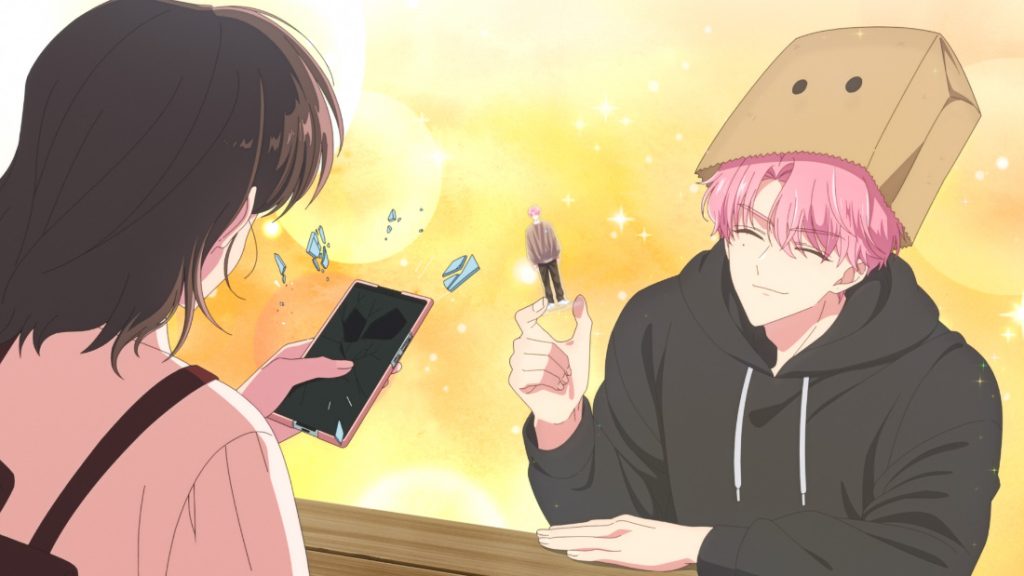
Throughout the show, Utage has struggled with how to interact with Tamon. He’s her oshi, and she feels like he should be kept at arm’s length due to that, but Tamon himself doesn’t understand why she’s so insistent on these boundaries. And the anime doesn’t shy away from exploring the ins and outs of their feelings, while also showing us the other issues that the F/ACE members go through. None of them are anything like their on-stage personas outside of work, but that just makes them human. Their personalities may be a little on the extreme side (given this is fiction), but it’s easy to understand how they’ve got to where they are. In the end, almost all five of them are given plenty of development.
It’s not always perfect though, as I found myself a little bit uncomfortable with how possessive and jealous Tamon becomes later in the series. To its credit, the show and Utega are relatively self-aware of this and try to impress upon Tamon that his actions in those moments aren’t okay. And to a degree, he himself also understands this, but I wish we’d had a bit more time to explore and properly put that element to bed. Maybe later in the manga, that will be the case.
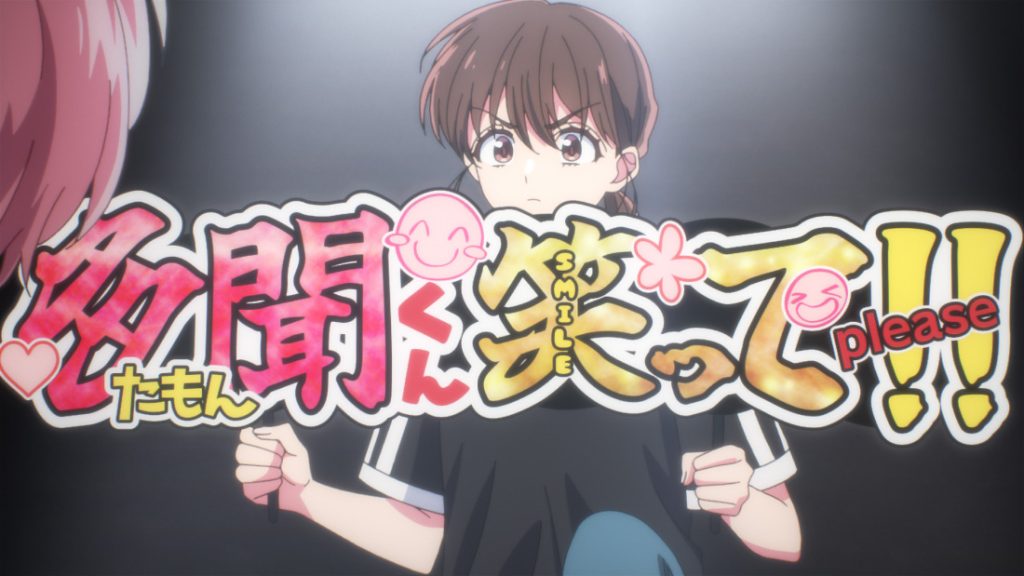
Still, even with that in mind, this is a show that has proved charming and hilarious throughout for so many reasons. The team at J.C. Staff gave it their all, and that came through in the end result. I dearly hope it gets a second season, as it feels like there is still so much left to explore, but even if not, I’d be surprised if this wasn’t one of my favourites of the year when we come to look back. Highly recommended!
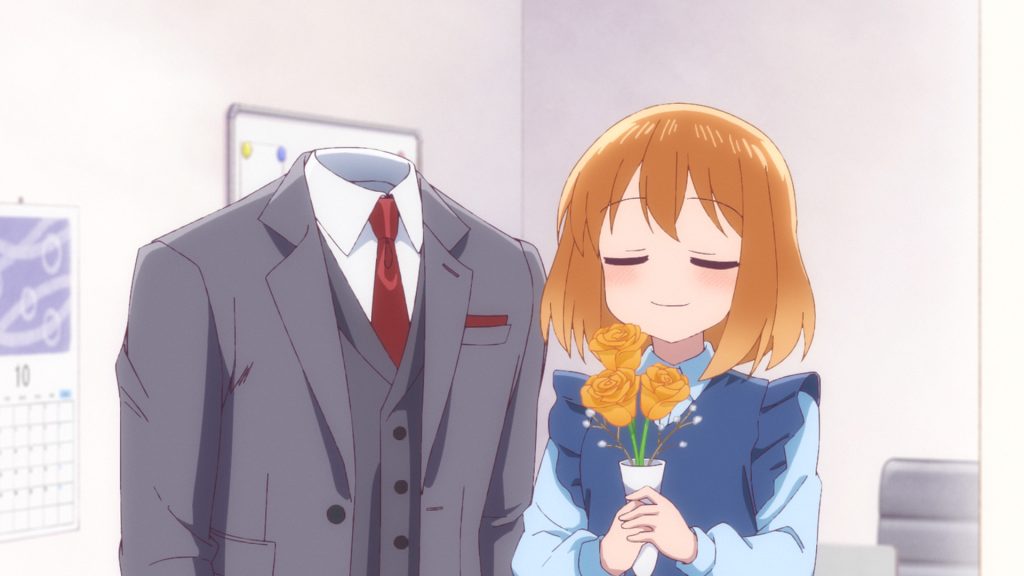
While Tamon’s B-Side was my hidden diamond at the start of the season, by the end, another title had emerged as a clear favourite. And that’s The Invisible Man and his Soon-to-Be Wife.
The series follows the employees of a detective agency and their gentle daily lives in a world where all kinds of different species live together. Primarily the focus is on Akira Tounome, who is an invisible gentleman and the owner of the agency, and Shizuka Yakou, who is human but is blind. Akira, who can turn completely invisible, worries about losing his place in the world and being ignored or forgotten by those around him, but Shizuka can always sense his presence. Slowly but surely love begins to blossom between them.
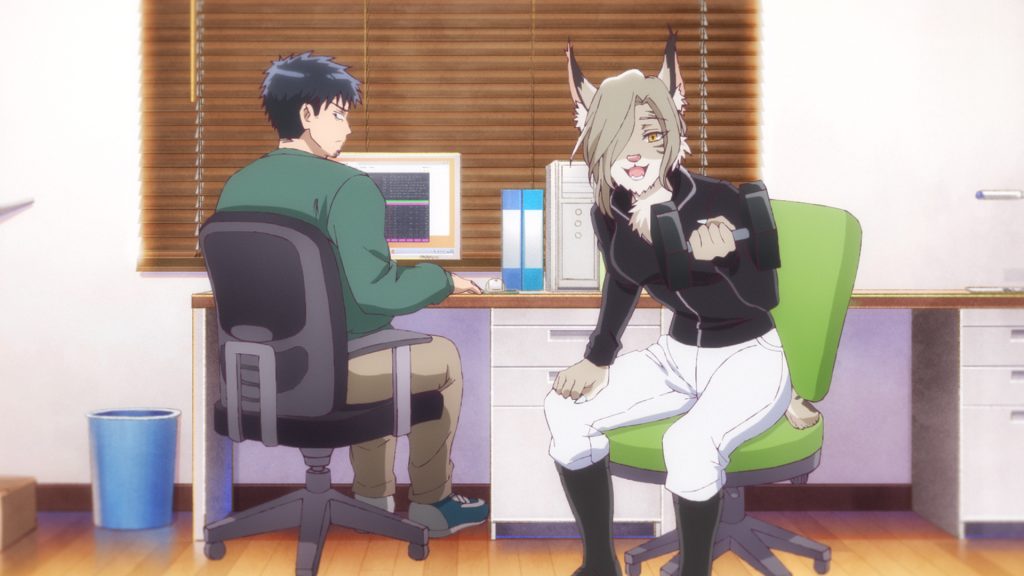
This could have just been a fluffy romance series, but it goes the extra mile to depict people from all walks of life and how society views them. Some of this is framed from the angle of having different species like Akira or the beastwoman Luna, but others are topics we can relate to in our own society, such as Shizuka’s disability or co-worker Daichi, who is gay. It’s never overly negative or depressing, though; the show is always uplifting and careful in how it delivers its message. Because in the end, this is a work that accepts everyone for who they are and how they choose to live their lives.
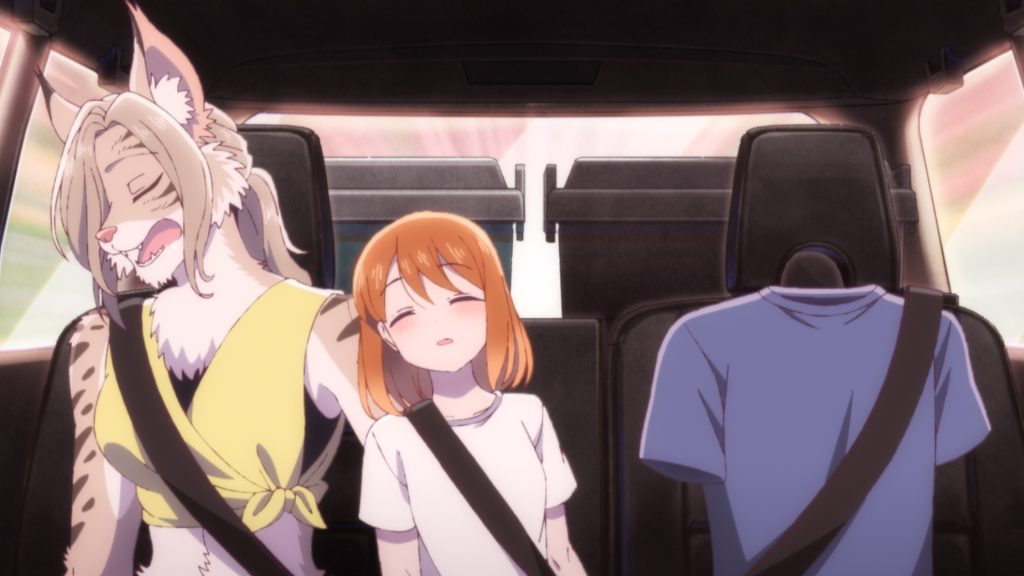
I had heard good things about the original manga (published by Seven Seas), but I hadn’t anticipated enjoying the anime so much because I generally don’t like productions by studio Project No.9 (The Angel Next Door Spoils Me Rotten, Bottom-Tier Character Tomozaki). However, in this case, it was well directed, and I felt they got the colours spot-on (I tend to find their shows quite washed out otherwise). It wasn’t always the most flashy, but later in the season there certainly were some quite impressive scenes.
This is well worth checking out if you’re looking for a new gentle slice-of-life/romance series. In terms of representation, it never puts a foot wrong and has made for delightful viewing week to week.
Tamon’s B-Side and The Invisible Man and His Soon-to-Be Wife are both available on Crunchyroll
Onosume
Back in the day I really had a thing for Death Note, it being that dark, edgy thriller that just wrapped you up in its evil cackles of laughter. While today we can more easily see the series’ flaws and its weak second half, it was still a rip-roaring thrill ride and that same feeling is what I have been getting with the latest season of [Oshi no Ko].
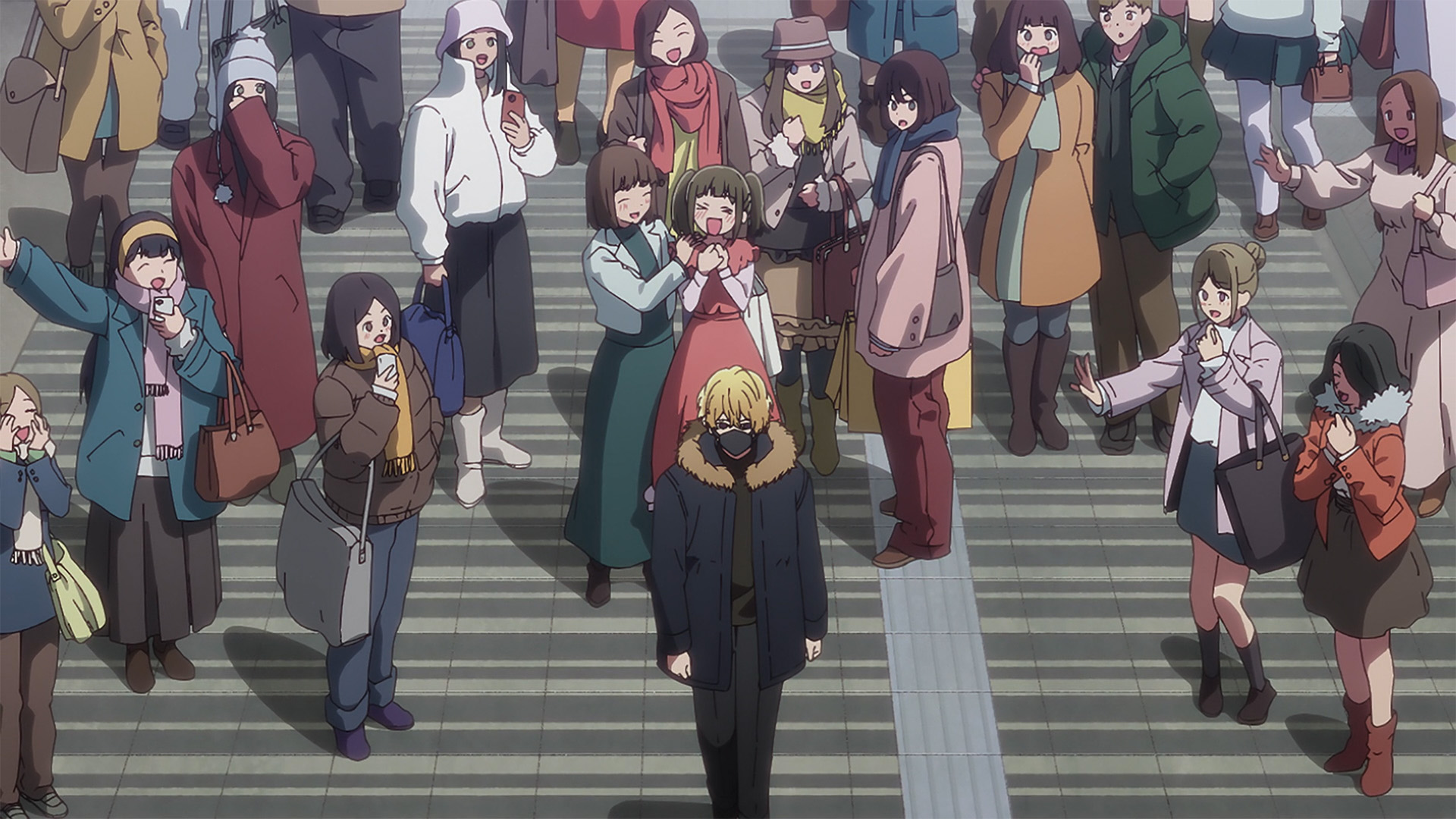
You see, Aqua has been playing a bit of a blinder. While he may have put things away for a little while, it turns out that he’s been manipulating the entire cast and putting them in the right places all for the sake of a plan he came up with as a little kid (keeping in mind reincarnated guy’s head in a little body). It’s a bit crazy and melodramatic, but it drips with thrills and suspense that gives you the chills of the old Light Yagami craziness as Aqua moves all his plots and threads in order to get his ultimate revenge. It’s textbook anti-hero stuff and I can’t help but love it.
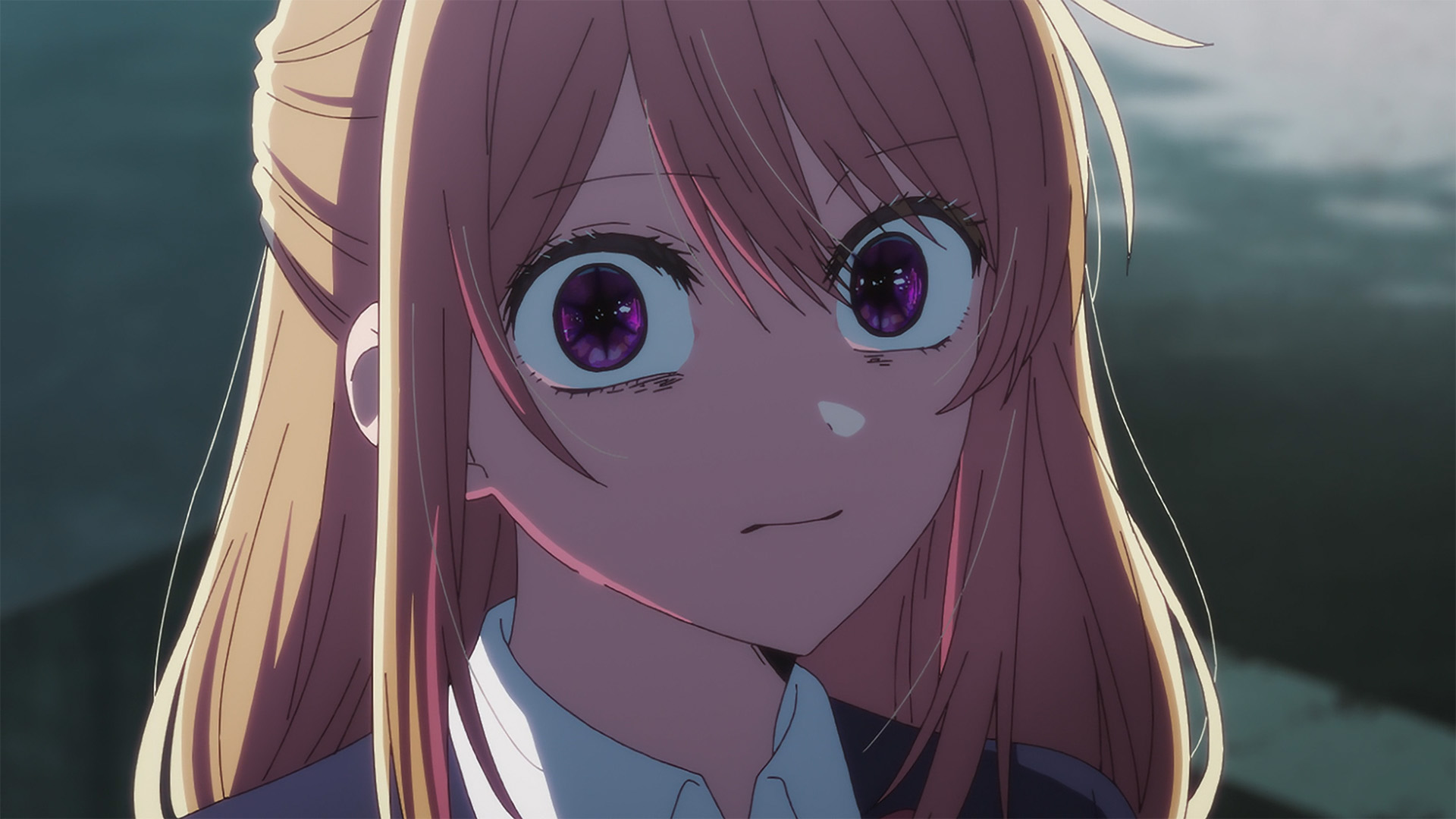
Elsewhere, it’s not quite plain sailing, as some of the other characters get done dirty and there’s not enough repercussions for Aqua’s actions against them. Akane and Kana you end up feeling really bad for, as seemingly getting romantically involved with Aqua just ends up being a sham and he has very toxic and abusive tendencies that are absolutely not okay. I don’t think the show does enough to call it out, which I get for the purposes of the show, but it’s still a shame to see him going unchallenged. For Ruby, there’s some excellent development and scenes as she falls into despair and forgets why she followed this path in the first place; yet the resolution to this isn’t the healthiest either. There is a tearjerker scene that pulls on your heartstrings as this season comes to a climax, but it still doesn’t sit right how easy it is for Aqua to manipulate people. Meanwhile, Mem-cho is just kinda there and doesn’t do anything beyond an occasional motivational speech, which is a shame. She’s a member of the group too but is too often a bystander in the overall story.
I’d also like to give a shoutout to the soundtrack (Takurō Iga) as well as it really builds up the tension even in scenes where things seem to be going good. A lot of the time a show’s score will just be in the background happily moving things along, but here you really do feel its impact.
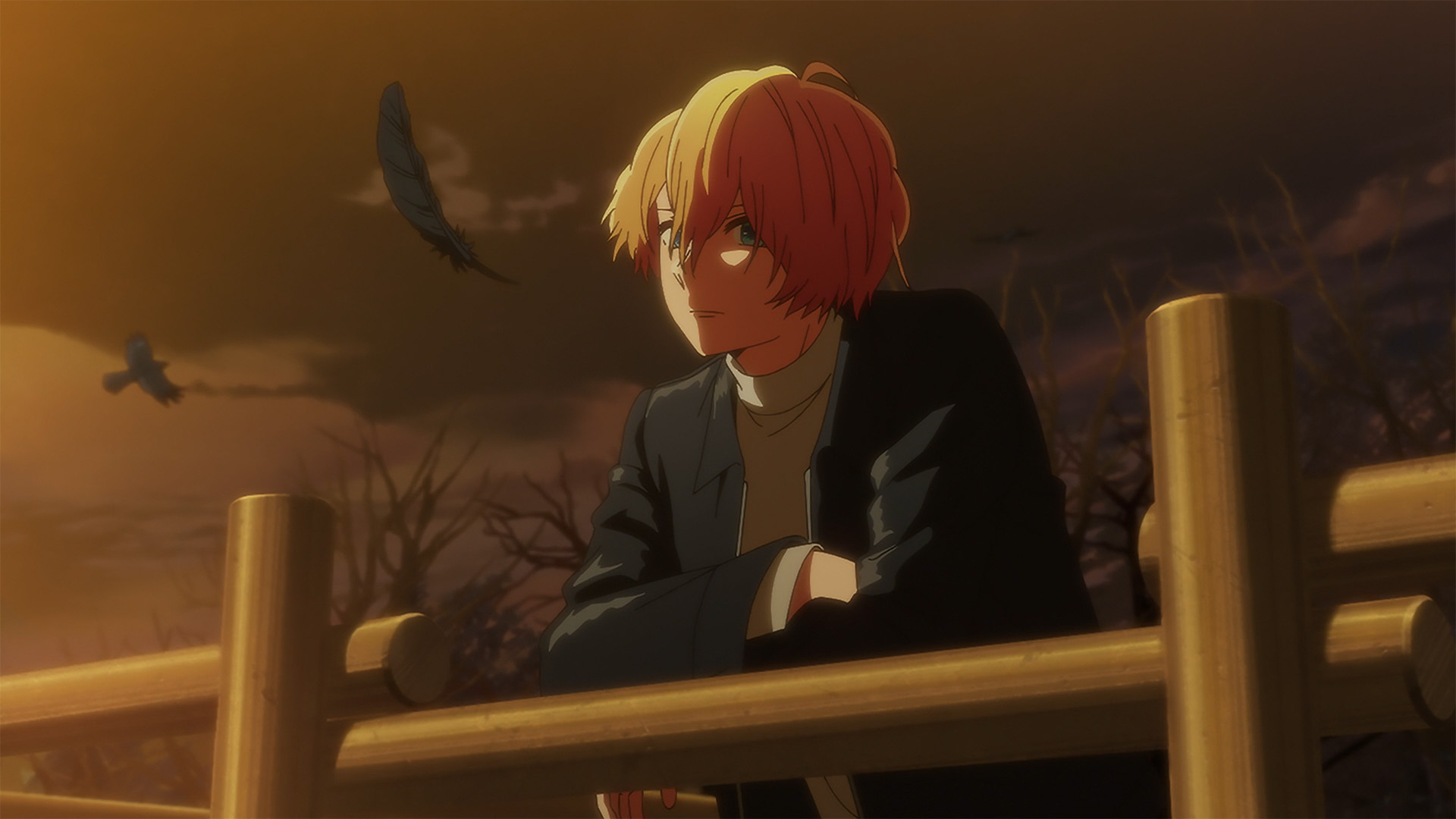
Closing out on Season 3 then, and while it does have its flaws, you can’t help but get pulled along this very exhilarating ride. What started out as a cautionary tale about the dark side of the Japanese entertainment industry has become a crazed thriller, and I’m enjoying every minute of it. There are still so many questions to answer, and I can’t wait to find out where Aqua’s dark path leads him in the upcoming final season.
Golden Kamuy has launched into its “final season” (which, like Attack on Titan and some other shows is being split into several parts for production reasons) with absolute gusto, delivering a barnstorming “beginning of the end” to Sugimoto and Asirpa’s madcap gold rush adventure.
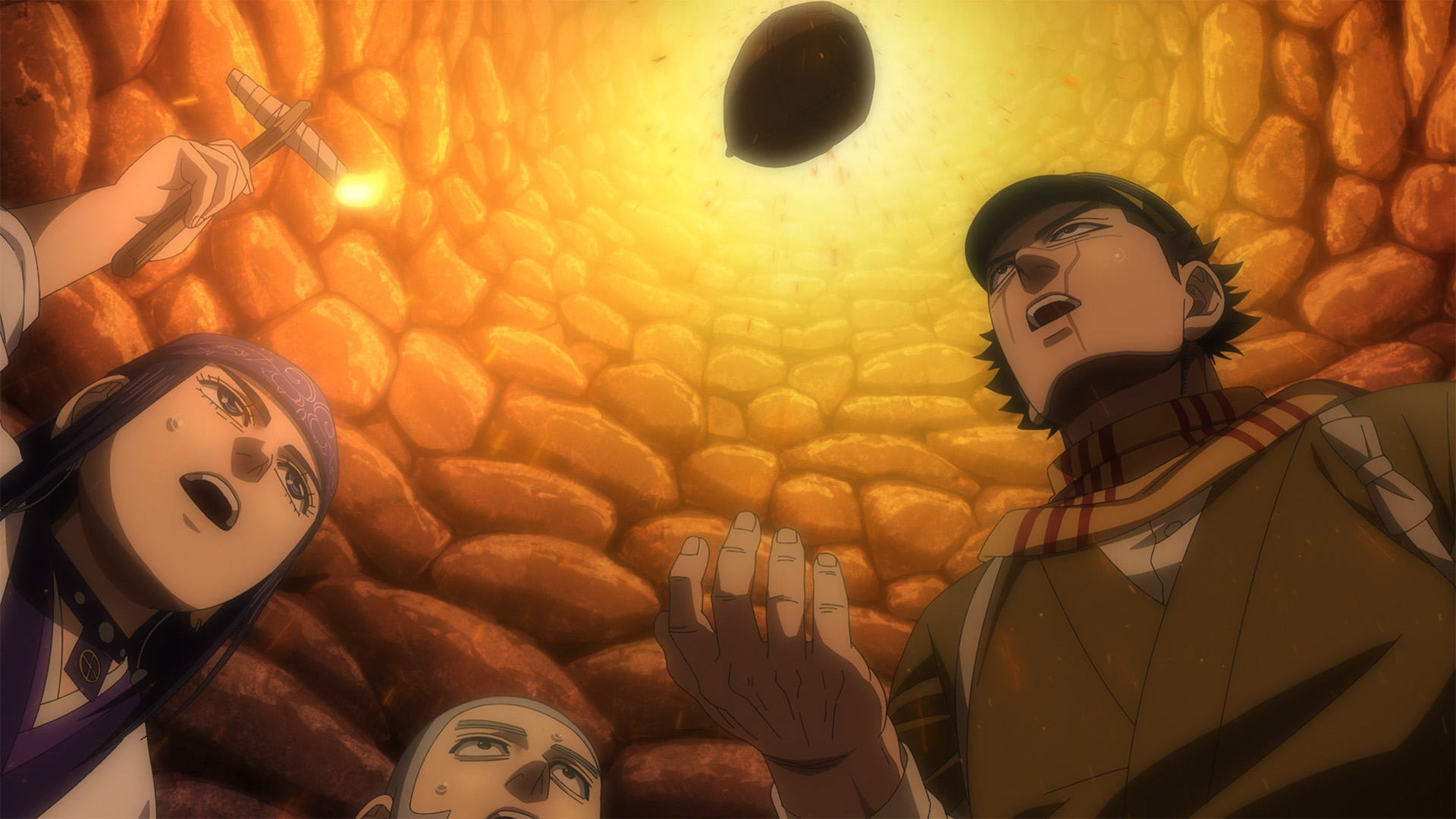
I had a lot of high hopes going into it, and honestly, they have all been met with the series’ trademark action scenes taking no prisoners, while we finally get a heap of answers to the questions that have been rumbling since the series started and we were all moaning about CGI bears!
The Sapporo Beer Factory arc was frenetic but also the last real chance for the series to have a bit of fun (submerging the cast in beer heavily comes to mind here) before it takes a more serious turn with plenty of revelations and the siege of Gouryoukaku, Hokkaido’s famous star fort. For many characters it’s really the last stand, and with so many of them it’s really hard to make them all count, but I think most get a decent send-off.
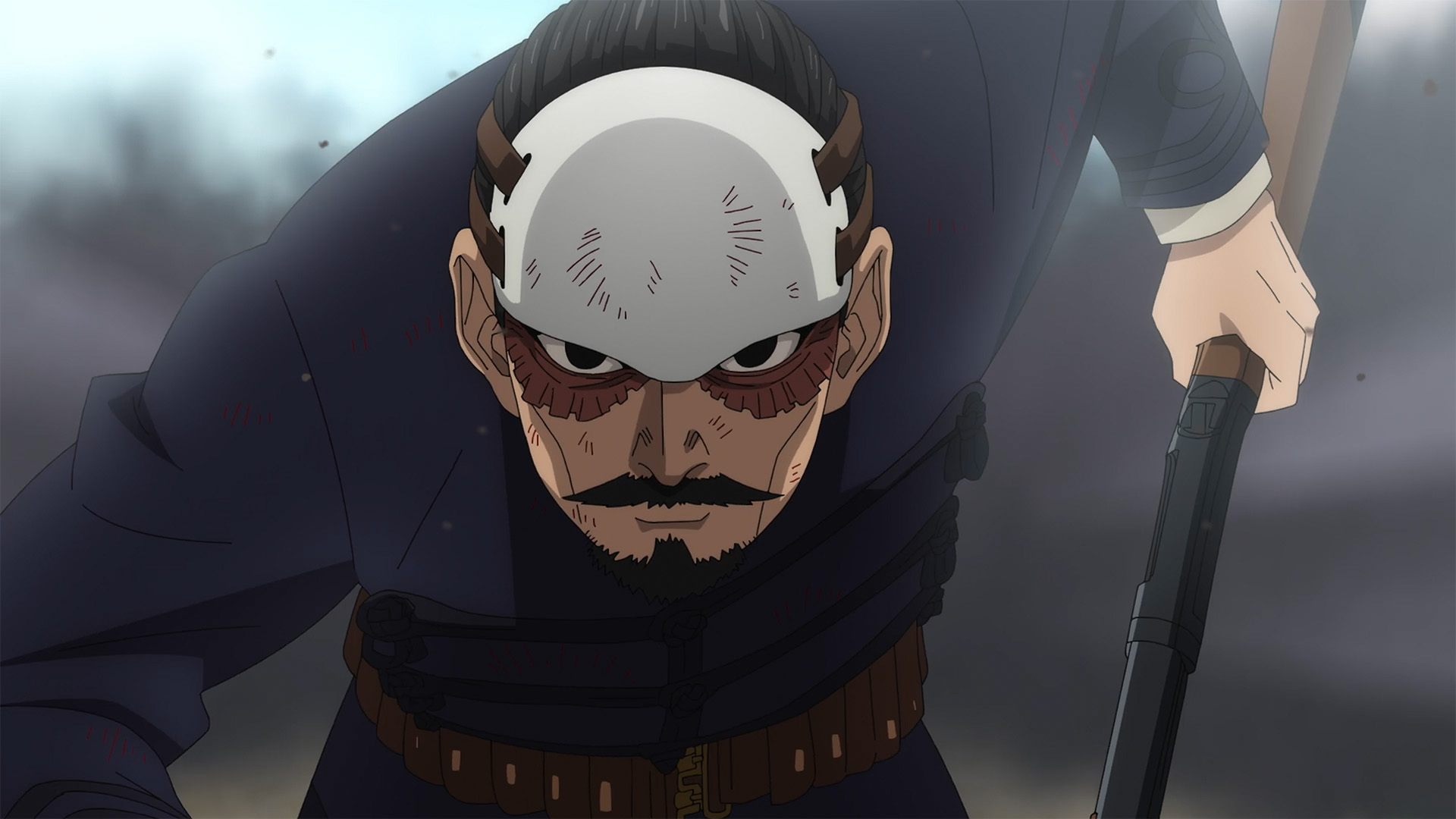
The story’s not quite over yet, but without having got round to the manga yet I can say that while it has had its ups and downs, it has become one of my favourites and deserving of the title of returning champion.
Finally, I’d like to revisit Gnosia, a series which really caught my attention last autumn with its sci-fi twist on social deduction and a gender-diverse cast.
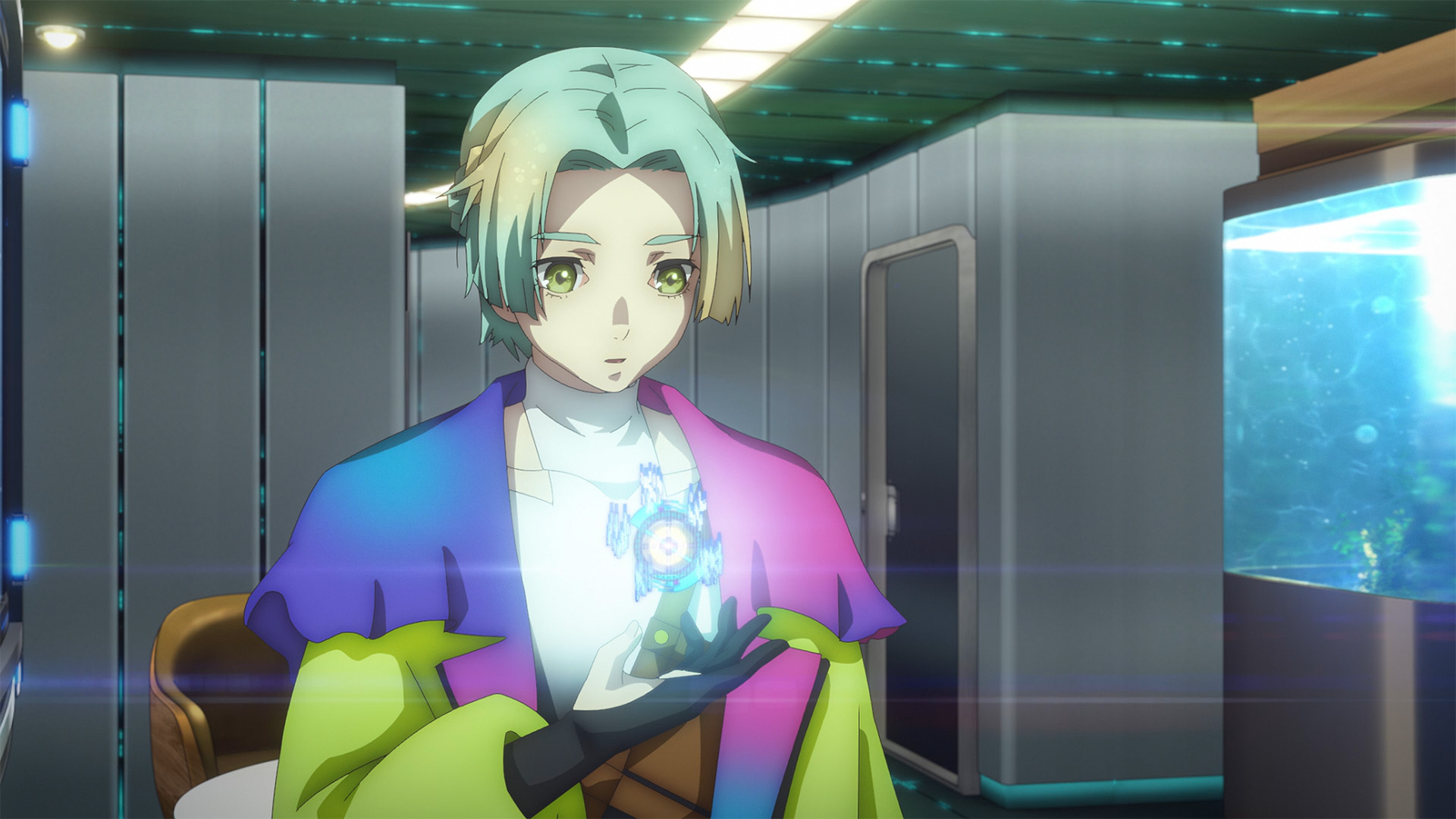
As a refresher, the series focuses on a ragtag crew who manage to escape the planet of Liu-An, which has been overrun by the Gnosia, which are shown at the beginning of the series to be this infection that wants to see the demise of humanity. One of the Gnosia gets on board the ship disguised as a human, which plunges the crew into a social deduction game where each day the crew votes to put someone into cold sleep.
As things go from bad to worse, we follow one of the crew, Yuri, who is given a way out by fellow crewmember Setsu – the Silver Key, a lifeform that acquires knowledge by causing a host to repeat events over and over again. Pushed through each time loop, Yuri looks for a way out where there’s no Gnosia and the crew all survive.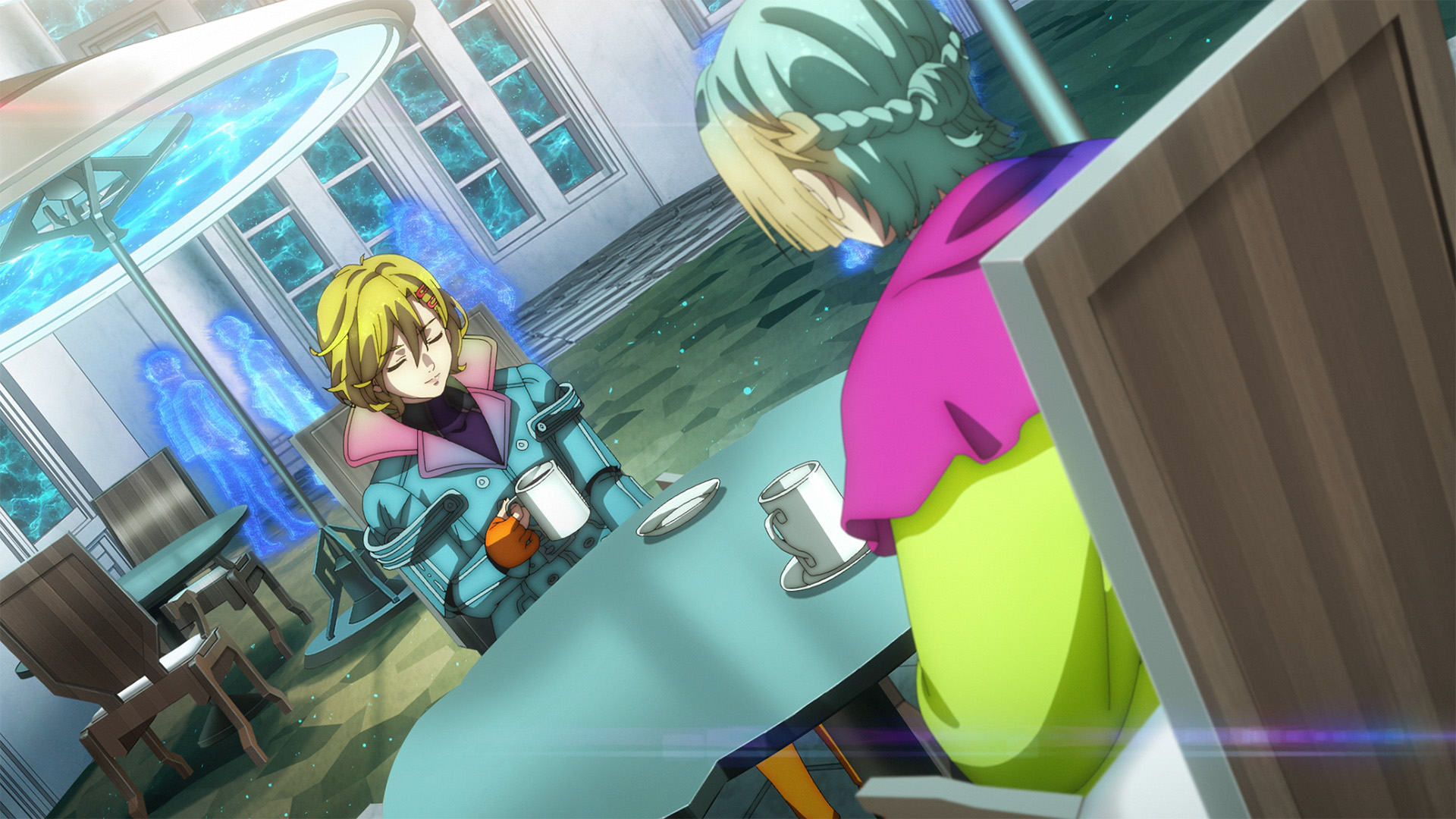
While I really want to love this series, I find it has just a few too many flaws to give it top marks, something that has really come to light in its second half. The main problem is that it has two very separate concepts – the social deduction game and the time loop – and instead of using them to benefit each other, they often feel like they are in competition. This is felt in the second half where the focus is placed on the Silver Key and Yuri’s true origins, and it feels like the series starts collapsing in on itself as it tries to write itself out of certain holes and ends up getting into others. What happens does make sense, but with the way everything plays out it’s hard to feel any satisfaction, as it feels like all the time loops have been for nothing.
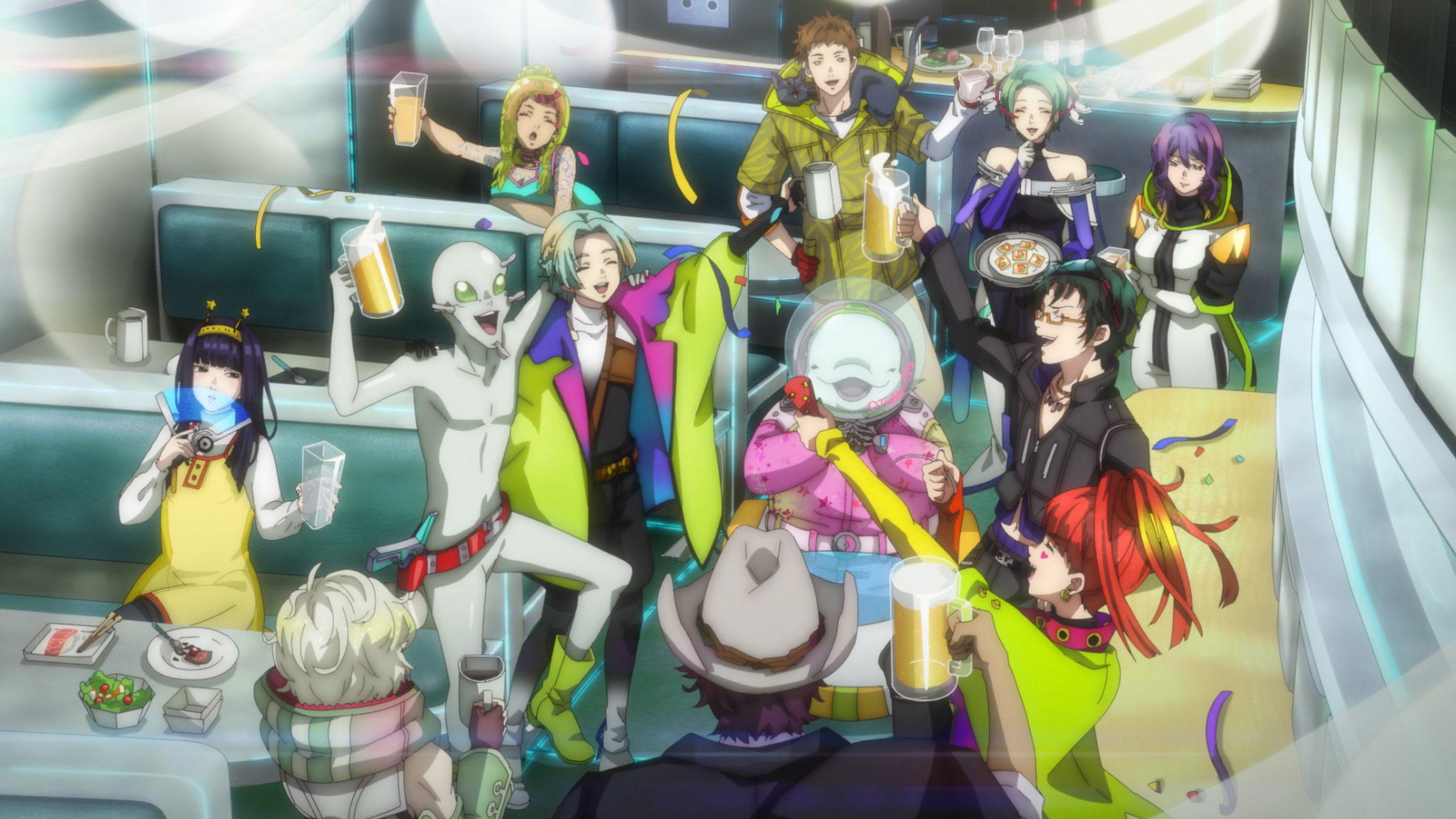
It’s still a good and interesting series overall, but the unsatisfying ending and the repetitive nature of its first half stop me from saying “go watch this now”. Instead I’ll just say it’s a cool watch with caveats.
Golden Kamuy Final Season and Gnosia are streaming on Crunchyroll, while [Oshi no Ko] Season 3 is available on both Crunchyroll and HIDIVE.
HWR
The Winter Season was solid entertainment overall, though admittedly heavily supported by continuations and new franchise entries, but did provide a few nice surprises.
Hotly Anticipated/Returning Champions
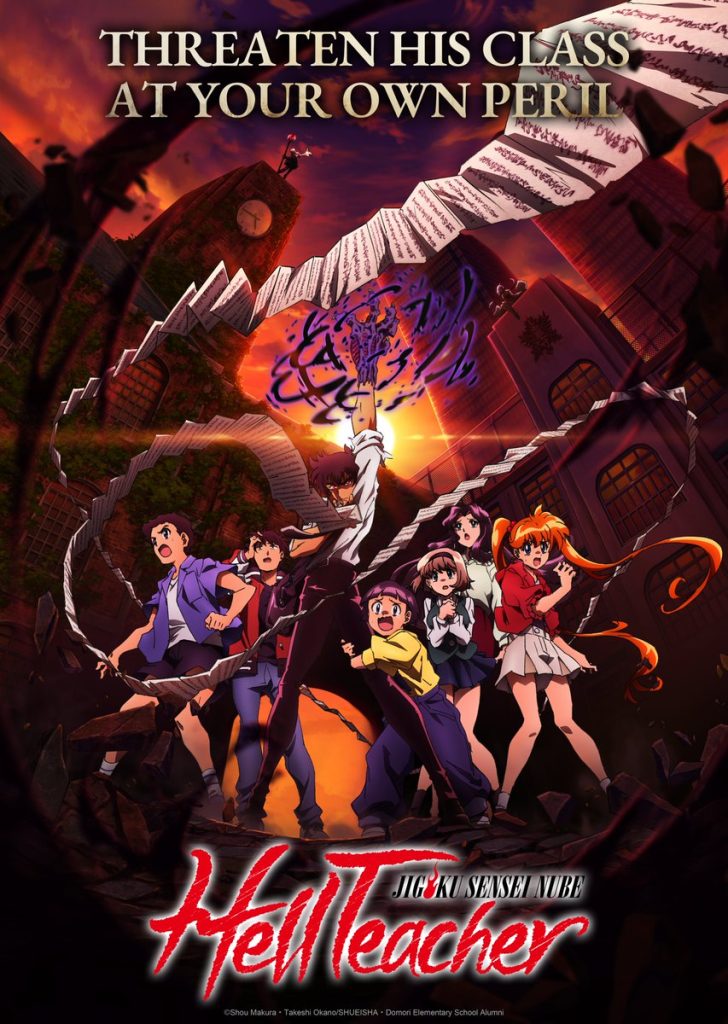
Hell Teacher: Jigoku Sensei Nube Part 2 will get a smaller look-in this time around as I discussed it at length previously but, needless to say, I was suitably entertained by this second part, and though not every storyline was on the same level of enjoyment for me, I did appreciate Studio KAIs’ efforts to reimagine this inventive supernatural school-based series for a 2020’s audience, and hope this isn’t the last we’ll see of it – a hidden gem to be sure.
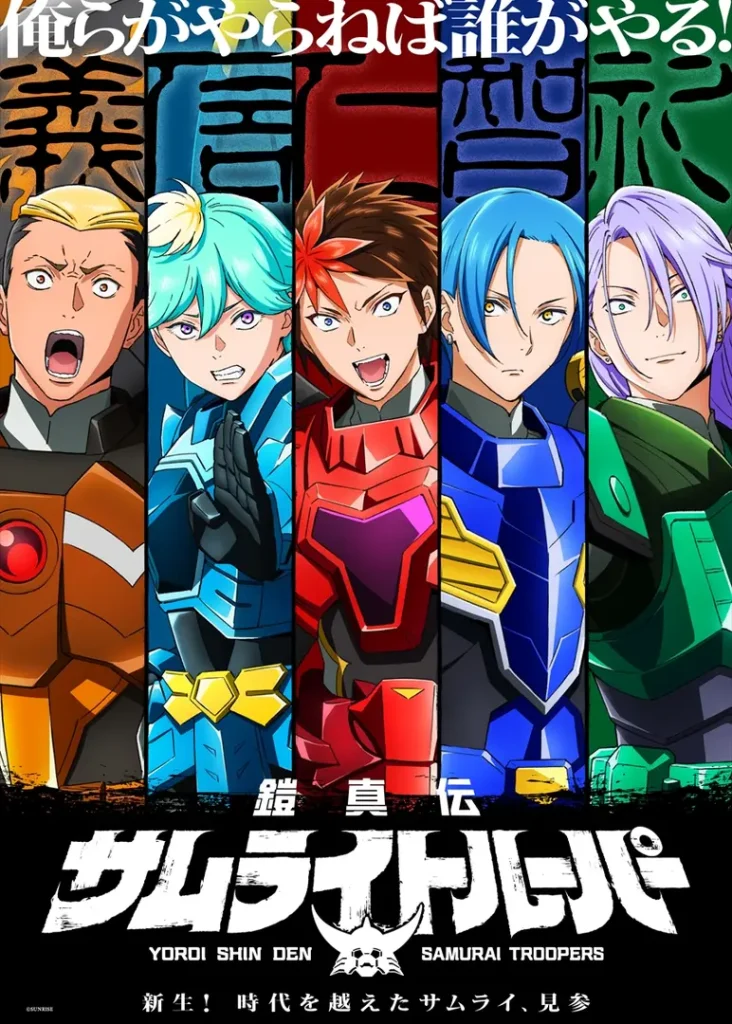
I also discussed that Yoroi-Shinden Samurai Troopers and since I’ve seen little discussion of the series elsewhere, will highlight it here again. When this began airing at the start of the year, I was curious to see how it would fare, as the early episodes were entertaining enough, and though it has its issues, namely that it felt like it needed a few extra episodes for this particular section of the story, I did enjoy this enough to want to tune in to the second part, which airs this Summer.
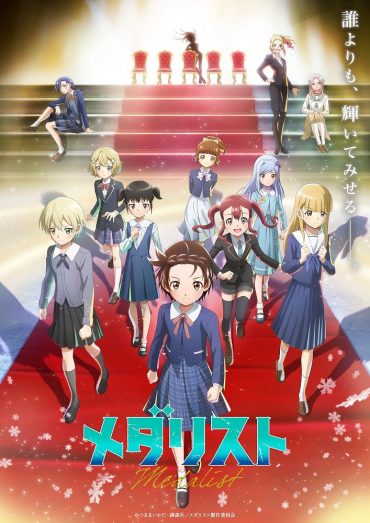
Elsewhere, MF Ghost 3rd Season continues to deliver some great racing dramatics, whilst also allowing time for lead protagonist Kanata Katagiri (Yuuma Uchida) some personal growth with his own family struggles. The last few episodes also set up the final season nicely, which I’ll be sure to watch when its airdate is confirmed. I’ll also shout out Medalist 2nd Season here, which ended all too soon, albeit with the confirmation of a feature film coming in 2027, which I hope isn’t too hard to access as this has been one of the standout anime of the past few years for me.

Wash It All Away initially came along with the promise of a slice-of-life amble, focusing on the efforts of Wakana Kinme (Sayumi Suzushiro) to offer her laundry service business within Atami, a seaside resort town, to a growing roster of supporting characters, with whom she also builds friendships and close bonds. I found this to be a comfy watch, and enjoyed seeing the cast grow and interact within a visually pleasant setting, and though the hints early on of an amnesiac former life for Wakana rarely resurfaced, maybe these could re-emerge later in the source material, and I am going to miss having this on a Monday evening!
MF Ghost 3rd Season, Wash It All Away and Yoroi-Shinden Samurai Troopers are available to stream on Crunchyroll; Medalist 2nd Season is available to stream on Disney+, and Hell Teacher: Jigoku Sensei Nube Part 2 is available to stream on the @itsAnimeJP YouTube channel.
Sarah
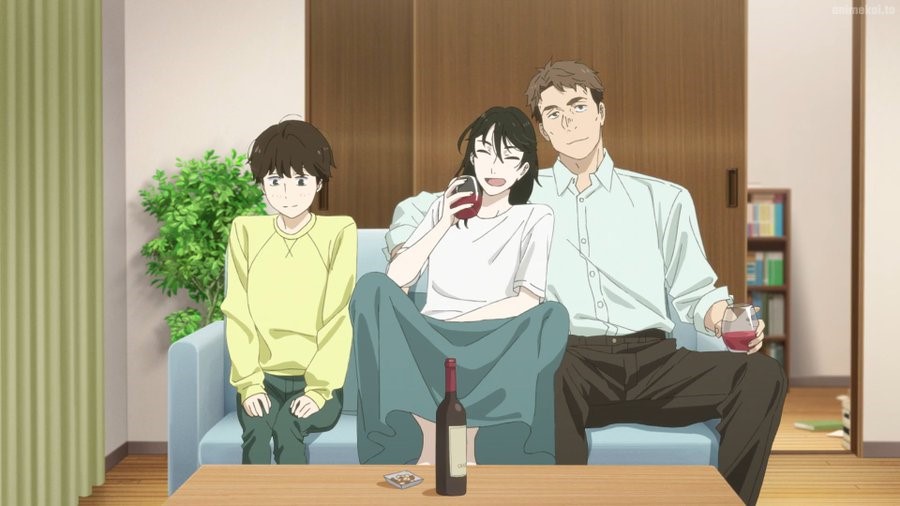
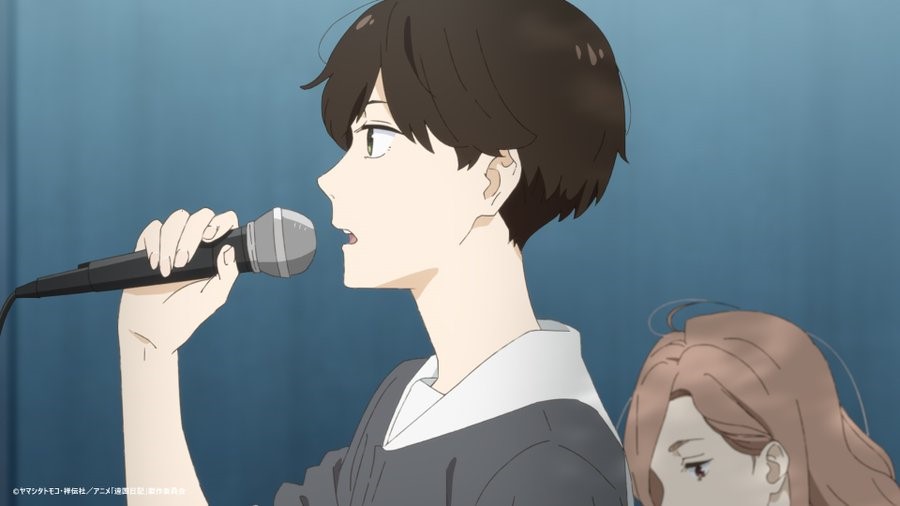
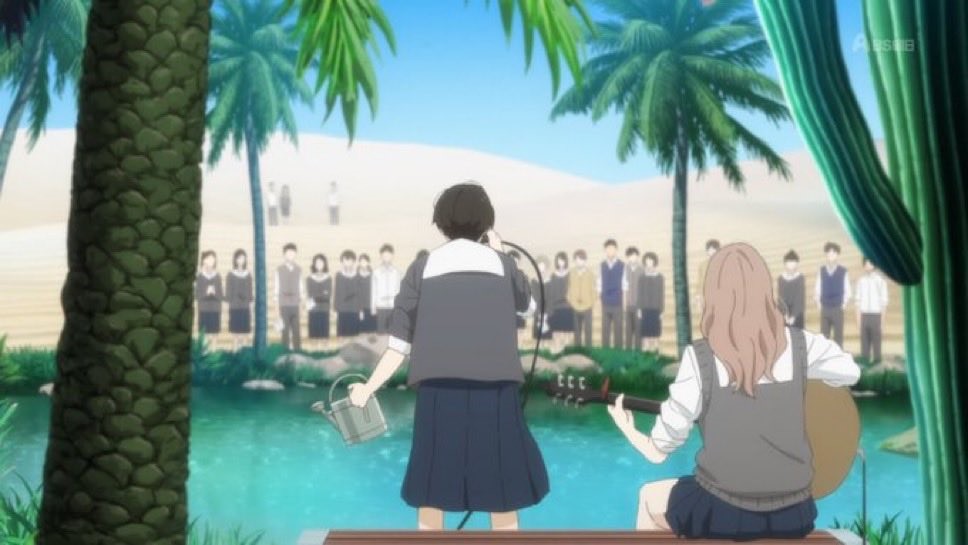
Journal with Witch has gone from strength to strength. Its depiction of teenager Asa coming to live with her novelist aunt Makio after her parents are killed in a road accident is full of relatable and moving moments. Mangaka Tomoko Yamashita has a gift for portraying everyday occurrences and making them meaningful, so we watch Asa gradually coming out of her bewilderment and grief at losing her parents (which she doesn’t know how to express) and becoming her own person. We also see Makio gradually warming to her niece (but not in any kind of sentimental way). Makio encourages Asa to keep a journal and when Asa says she wants to sing, Makio encourages her to follow what she wants to do. There’s a truly magical diegetic moment in Episode 11 in which Asa sings unaccompanied to Makio’s friend Motsu (on Zoom) – and the song she’s composing turns out to be the anime’s opening song “Sonare” (by TOMOO). By Episode 13, she’s performing it at school with a friend on acoustic guitar. Kudos to the animation team for bringing Yamashita’s unique art style to life on screen and to the voice actors for bringing her memorable and relatably flawed characters to life in the audio.
Especially meaningful are the magic realism sequences in which Asa wanders a desert landscape alone – but eventually finds an oasis and cacti that begin to bloom.
Every now and then, a series comes along which reminds us why we became so excited by anime in the first place – this has definitely become one of those all-too-rare unique and cherished series for me. If you haven’t discovered it yet…please give it a try.
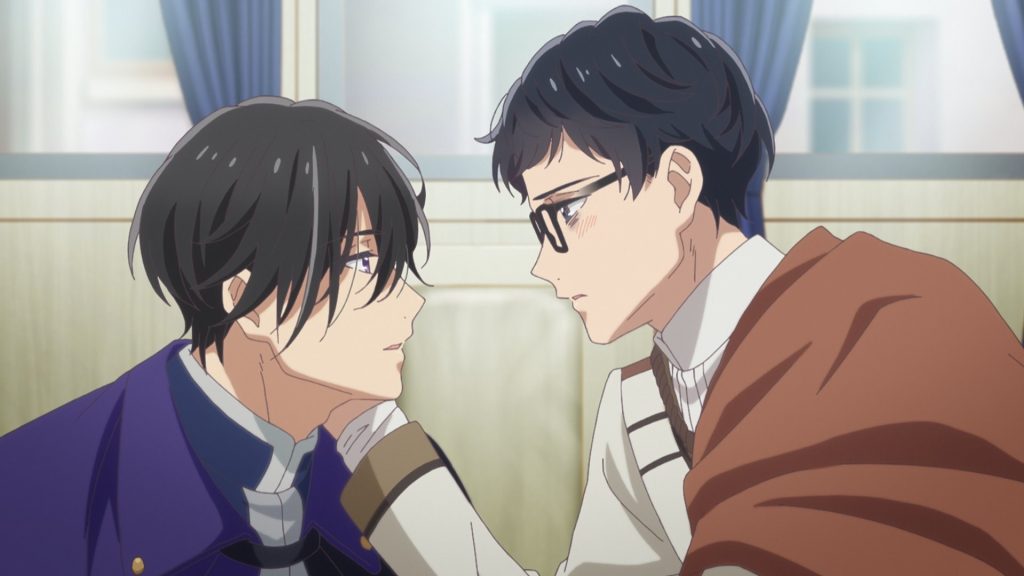
Isekai Office Worker: The Other World’s Books Depend on the Bean Counter. On the minus side, the low budget allocated to yet another Boys’ Love anime means that – unfortunately – it’s sometimes been difficult to remain totally immersed in the world of story when thrown out by cheap effects and some horrible off-model character moments.
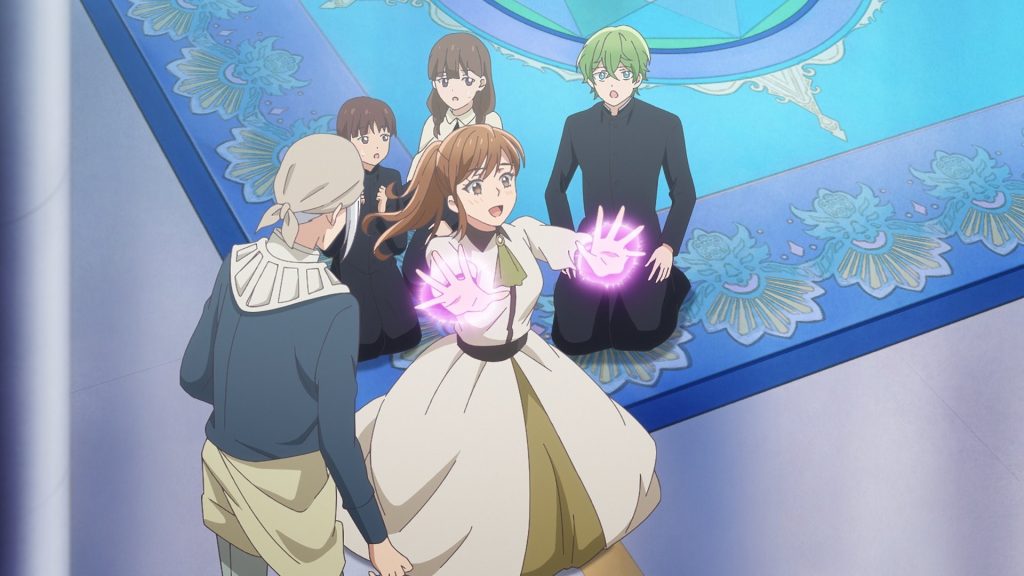
However, it’s good that the studio saved the best animation for the scenes that really count: Seiichirou, the work-obsessed off-worlder, bringing his accountancy skills to help the Kingdom of Romany and gradually getting to know his saviour/lover Knight Captain Aresh. Both voice actors made the relationship between the two convincing and affecting (with some welcome moments of humour). The scenes featuring Yua, the highschooler out of her depth as the summoned Holy Maiden and desperate to go home to see her family in Japan also ring true. The script helped too, adapting the original first and second novels very effectively (if only the script writers for over-stuffed and confusing The Holy Grail of Eris could have done the same!).
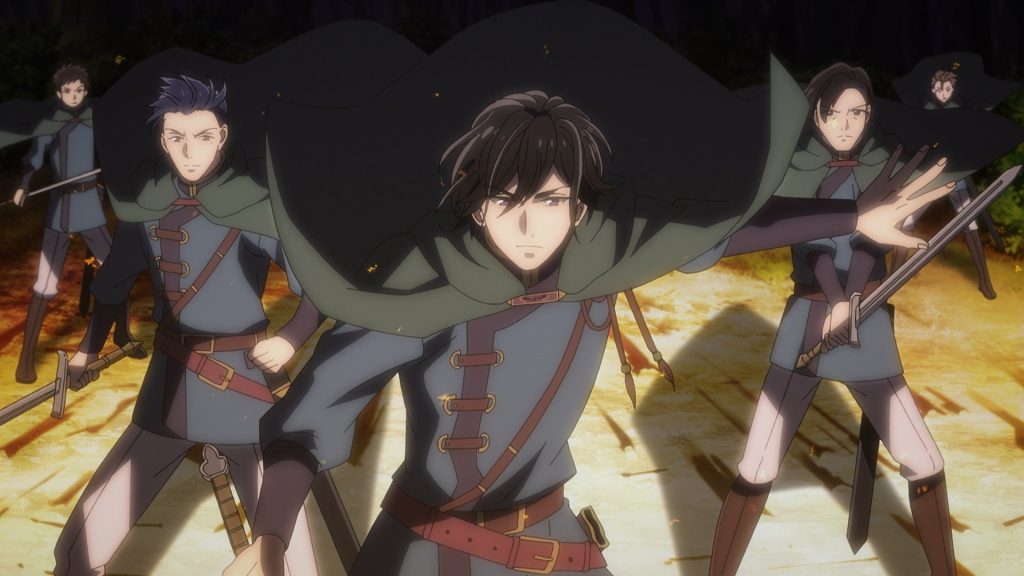
The relationship between Seiichirou and Aresh slowly develops alongside the thickening plot of sinister and unholy doings at the Church of Abran, resulting in an exciting denouement and a satisfying resolution. Kudos to the adapters for bringing out the main underlying theme in which Seiichirou quietly calls into question the kingdom’s morality in dragging a teenaged girl from another world without her permission to carry out their will when they could manage their miasma problem themselves in a different way. (There are two other light novels to adapt – so maybe another season might happen? But it’s BL, so probably not…)
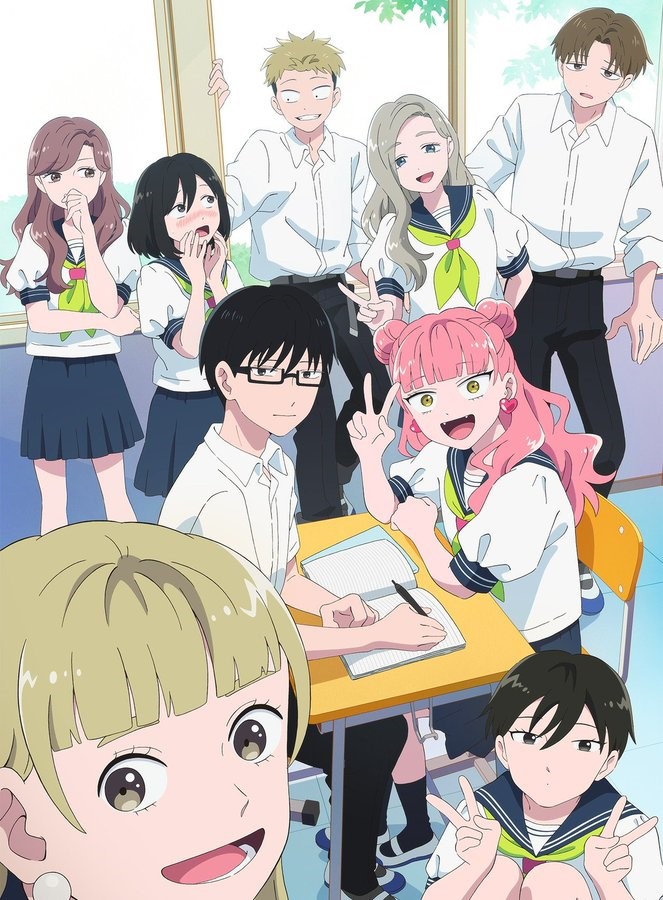
Having chosen the poignant fantasy Champignon Witch for our preview in a season very strong on new series, I have to turn the spotlight onto another title: You and I Are Polar Opposites which (whisper) I even prefer to the very likable Tamon’s B-Side. Highschool relationships are two-a-penny in manga and anime, so it takes a lot of skill and artistry for one to really stand out these days. But right from the eye-catching opening song animation, Polar Opposites grabs the attention – yet also rings true. The conversations between these high school students, some casual, some funny, some intense and meaningful, feel real and are all the more touching for that.
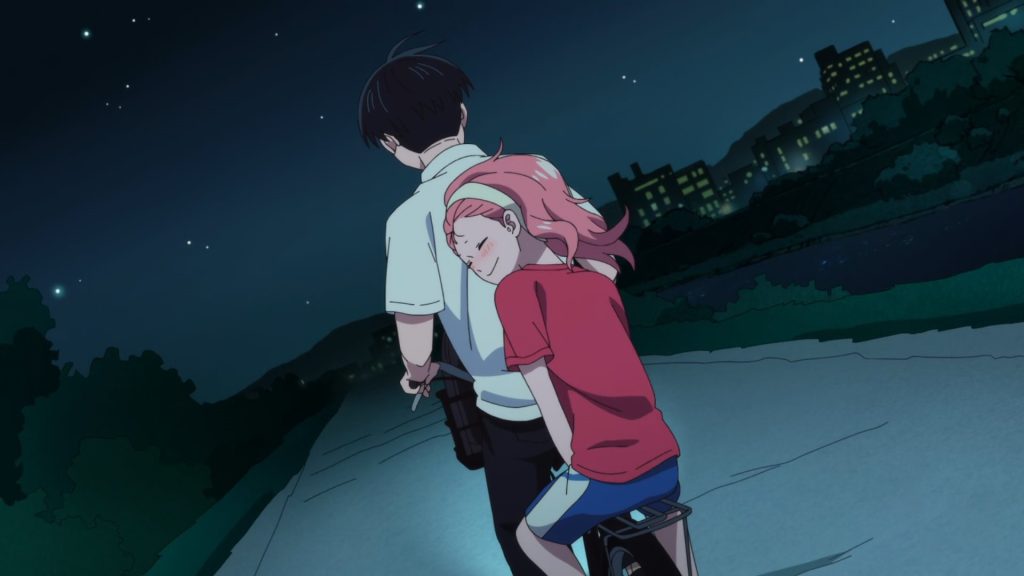
There’s no high drama (which so often descends into OTT melodrama in other series) but when pink-haired, cheerful, chatty extrovert Miyu Suzuki falls for bespectacled, quiet and monosyllabic Tani, it doesn’t feel forced on the part of the writers/mangaka, it’s believable and even rather touching. Miyu is very relatable especially her boundless energy and very understandable hopes and fears. The ‘polar opposites attract’ relationship is also believable as the stoical and self-contained Tani-kun struggles to express how he feels for Miyu’s sake. As a bonus, there are other relationships evolving among their classmates, especially the wary pessimist Taira and Azuma who has schooled herself to smile even when she doesn’t feel like smiling inside. Happily, a second season has now been announced, starting in July.
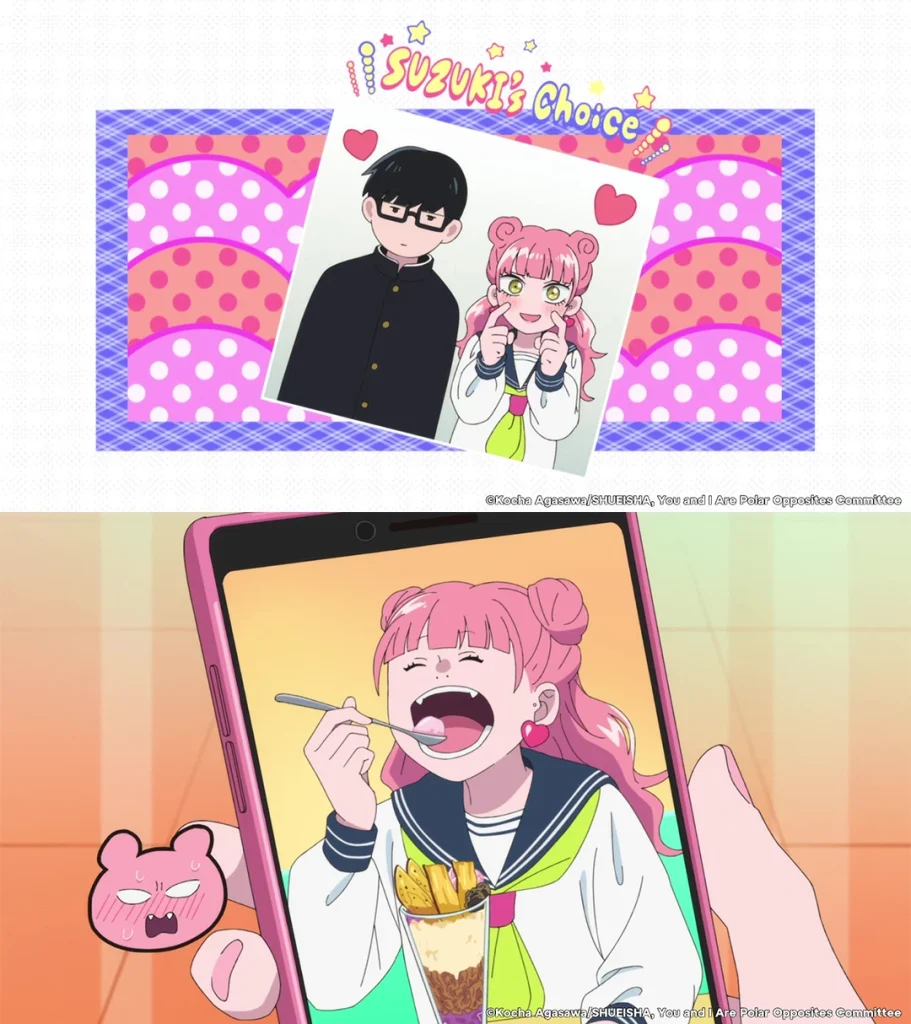
The OP “Megane wo Hazushite” (Lose the Frames) by Noa and ED “Pure” by PAS TASTA ft. Eriko Hashimoto are not only well-matched to the eye-catching animations but are great songs in their own right – if you haven’t watched this yet, it comes highly recommended as a tonic that will cheer you up!

Medalist Season 2 the anime series airing on Disney+ with dubious dubtitles has not been the best for easy access for viewers, although at least we’ve been able to watch it at the same time (roughly) as Japan, whereas – for once! – the US has had to wait for this second season and are still catching up. There are only ten episodes but there’s a film to follow which will finish this part of the story by showing the All-Japan Novice Championship which Inori and the other girls have been preparing for with such dedication. I have mixed feelings about this: it’s nice to have a film (2027!), but it would have been better (I think) to end with a double-episode length season finale (as with [Oshi no Ko]) instead. Films can be problematic in anime and it’s disappointing to be left dangling after all the build-up in the second series. The issues with the manga in introducing so many new skaters (too many!) at this stage have also been evident here even though the animation for the actual performances has improved, delivering some convincing and dazzling sequences for Inori and wild child Hikaru – and their rival coaches: Tsukasa and Jun Yodaka too.
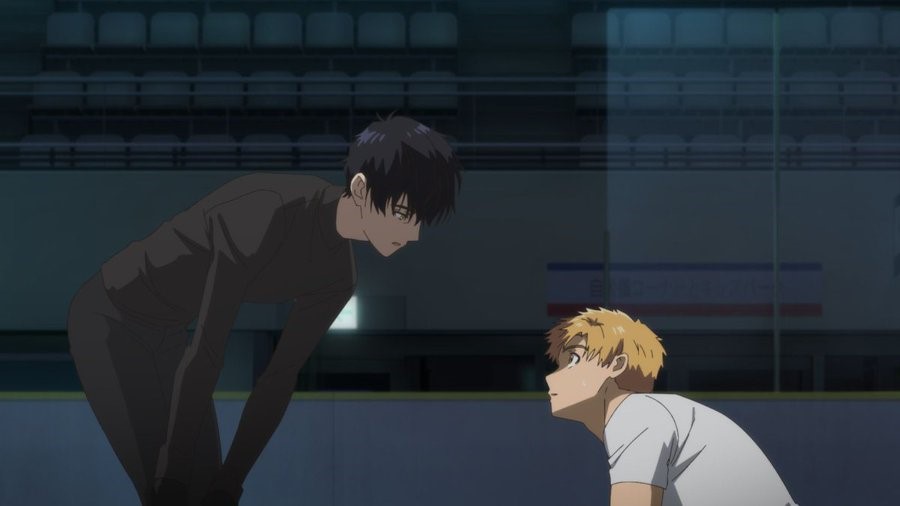
So, some of the ten episodes have been less impactful due to the sheer number of new skaters and their coaches introduced. But there’s an extremely strong and moving central sequence that’s well worth the build-up (it occurs in Volume 7 of the manga for those who like to read the source material). Tsukasa has introduced Inori to Uobuchi, a coach who uses a special harness and fishing-rod to help teach young skaters to perfect their jumps – and they drive overnight all the way to Nagoya for a special coaching session. Inori’s excitement at going on the trip with Tsukasa is so convincingly portrayed – as is the conversation they have when looking at the frozen lake beneath the stars.
Isekai Office Worker: The Other World’s Books Depend on the Bean Counter, Journal with Witch and You and I are Polar Opposites are all streaming on Crunchyroll; Medalist Season 2 is available on Disney+.
Cold Cobra
In the preview I talked about two shonen shows that returned, with one living up to my expectations exactly while the other was a bit shakier overall…
Jujutsu Kaisen is unsurprisingly the show that lived up to my expectations as the previous arc showed me that the show/manga was indeed far more interested in over-the-top (and in the anime’s case, brilliantly animated) fight scenes than anything else, and the set-up of this arc made me correctly assume we were in for more high-octane city-set action. After the opening episodes showed the return of technically the original protagonist in Yuta Okkotsu and how he got the main protagonist Yuji Itadori out of his tight spot, we then switched to an episode that was entirely talking about the “Culling Game” that was to take place in various pockets of Japanese cities, which boiled down to over-arching villain Kenjaku wanting to kill all the most powerful sorcerers in one swoop to build up a bunch of “cursed energy” and force humanity to evolve and essentially wipe them out, or something like that. Basically, it was a reason to get our main characters into areas with newly introduced powerful characters to have a big fight-athon, and a big fight-athon we did indeed have!
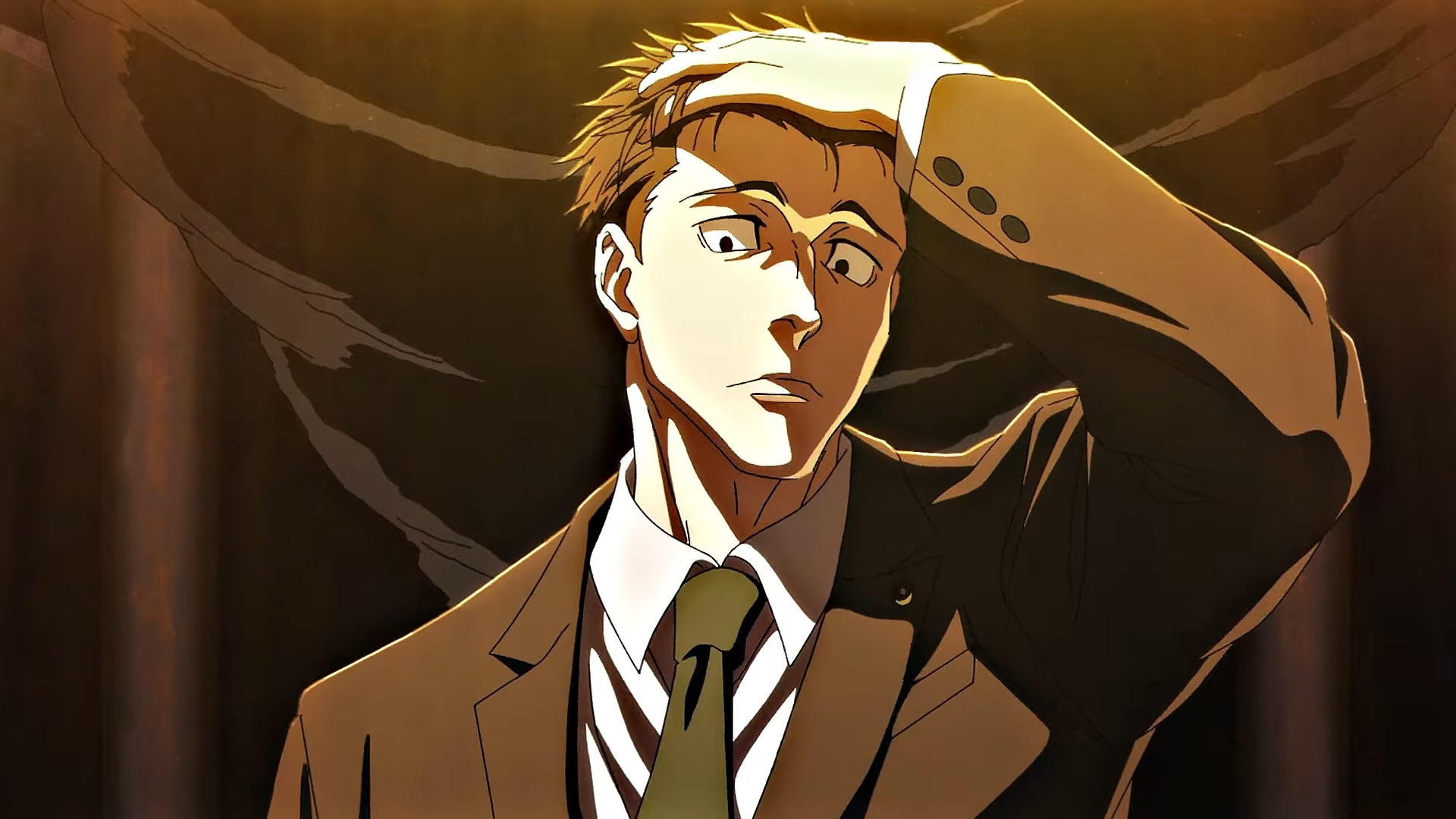
Though before that there was one episode which saw the entire Zen’in clan wiped out by clan member and character-of-note Maki after her twin sister Mai is killed by their father, in a rather bloody and exhausting 30 minutes. This included fun villain Naoya, who was only introduced three episodes earlier, which was kind of a shame. After that and two episodes where Yuji and other series mainstay Megumi successfully recruit two new sorcerers in the cocky Hakari and his love interest Kirara, which is what happens when you kill or incapacitate a good majority of your supporting cast in the previous arc, the games begin. The first battle sees Yuji take on a man called Higuruma, who was once a justice-obsessed defence lawyer who grew to dislike the unfair legal system and uses his curse, “Judgeman”, to force people into a trial. It was actually a really fun and interesting power and felt more like an episode of JoJo’s Bizarre Adventure where you wonder how Yuji was going to get out of it, only it swiftly descended into a naturally excellently animated fight where Higuruma used his gavel as a weapon, so… Yeah. Still a fun character though!
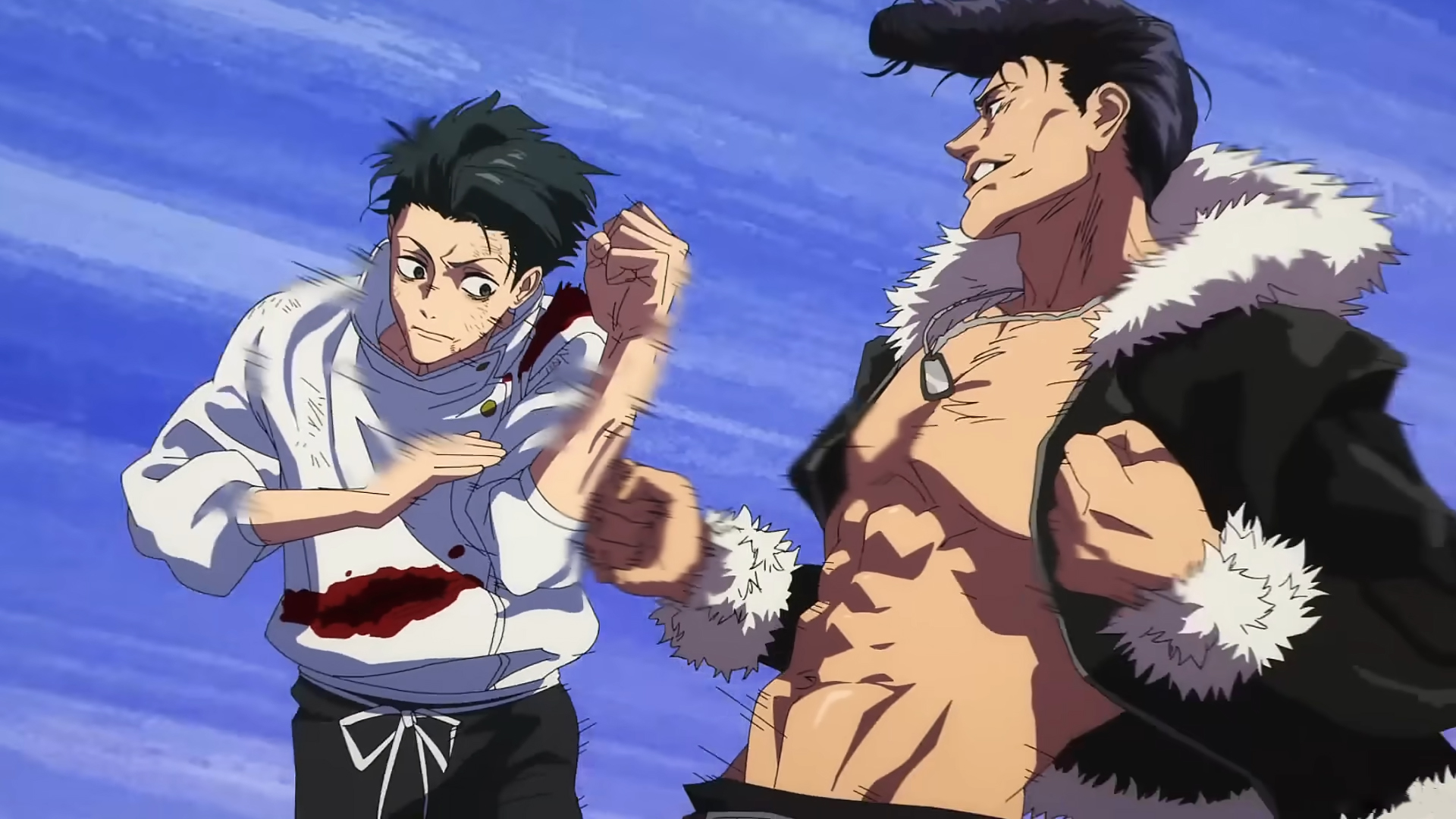
The last few fights involving Megumi were also naturally well animated but were less interesting, opponent and new-ally-wise, but the double-length finale featuring Yuta taking on two crazy-powerful sorcerers in the Sendai Culling Game Colony was… well, once again a long, amazingly animated fight scene with mostly newly introduced characters, but at least his two opponents had fun looks and personalities before naturally getting taken out in spectacular fashion. Basically, Jujutsu Kaisen: The Culling Game Part 1 lived up to my expectations of pretty much non-stop city-based shonen battles brought to life with great animation, and if that’s all you’re after then you certainly get it!
The second show I’m looking at is the second season of My Hero Academia: Vigilantes, a spin-off set before the main show and focusing on a team of vigilantes, naturally. Our main duo of Koichi “The Crawler” Haimawari and Kazuho “Pop” Haneyama spent the first couple of episodes at an idol showcase, which was followed by an episode focusing on regular policeman Tsukauchi and his friendship with the legendary All Might, with the set-up for the season being Koichi’s quirk evolving from just gliding on things to being able to stick to things and even fire small kinetic blasts, and on a villain identified as “The Scarred Man”, who has a speed-type ability linked to a familiar looking ex-hero called “O’Clock”. Not willing to steer away from the obvious for too long Episode 5 reveals that the Quirkless vigilante who was mentoring our duo under the guise of “Knuckleduster” is in fact the former O’Clock, who lost his powers at some point in the past and is now watching some young villain use it instead, drawing him out of the retirement he only just settled on (though he doesn’t get in contact with Koichi or Pop this time round)
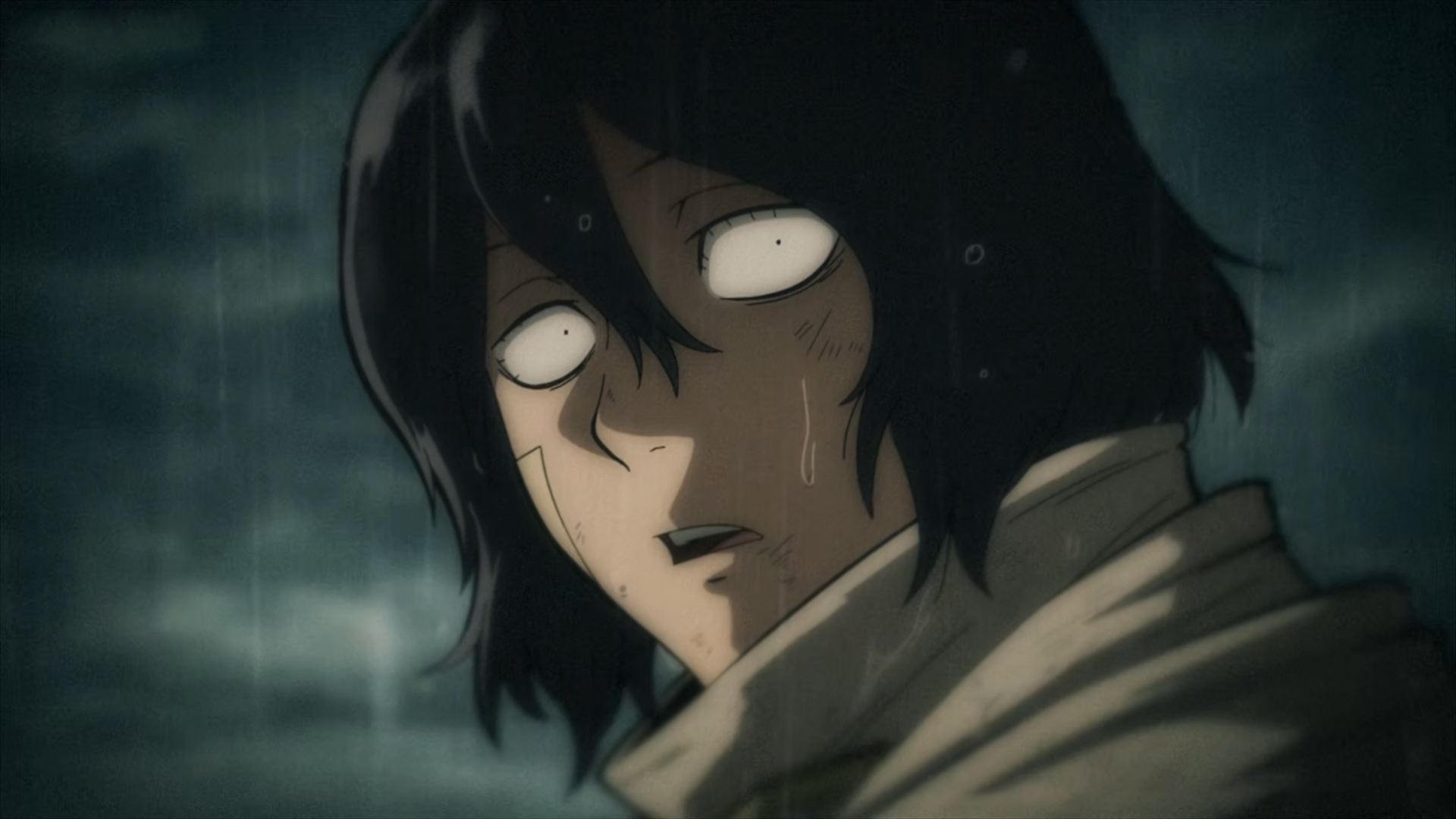
Oddly Episodes 6 to 8 focus on the backstory to the pro hero and heavily-featured original series character Eraser Head, featuring his struggling school life, his first pro hero experience and the loss of a close friend forcing him to focus. It’s good but very odd, as in terms of the anime the main series has now ended and Eraser Head’s big role in the story done, so unlike in the manga (where this came out before the original series ended) here it seemed a little bit like a waste of time? Especially that many episodes anyway, even if it was well done. The last bunch of episodes focus on the American hero “Captain Celebrity” and his farewell party before he goes home being the focus of an attack by the Scarred Man, who sends “Bombers”, creatures that explode when commanded if that wasn’t obvious, which leads to several fun scenes featuring Koichi and Celebrity, and even an appearance from fully-powered All Might himself, which is nice to get a reminder of how he was before he lost his Quirk completely.
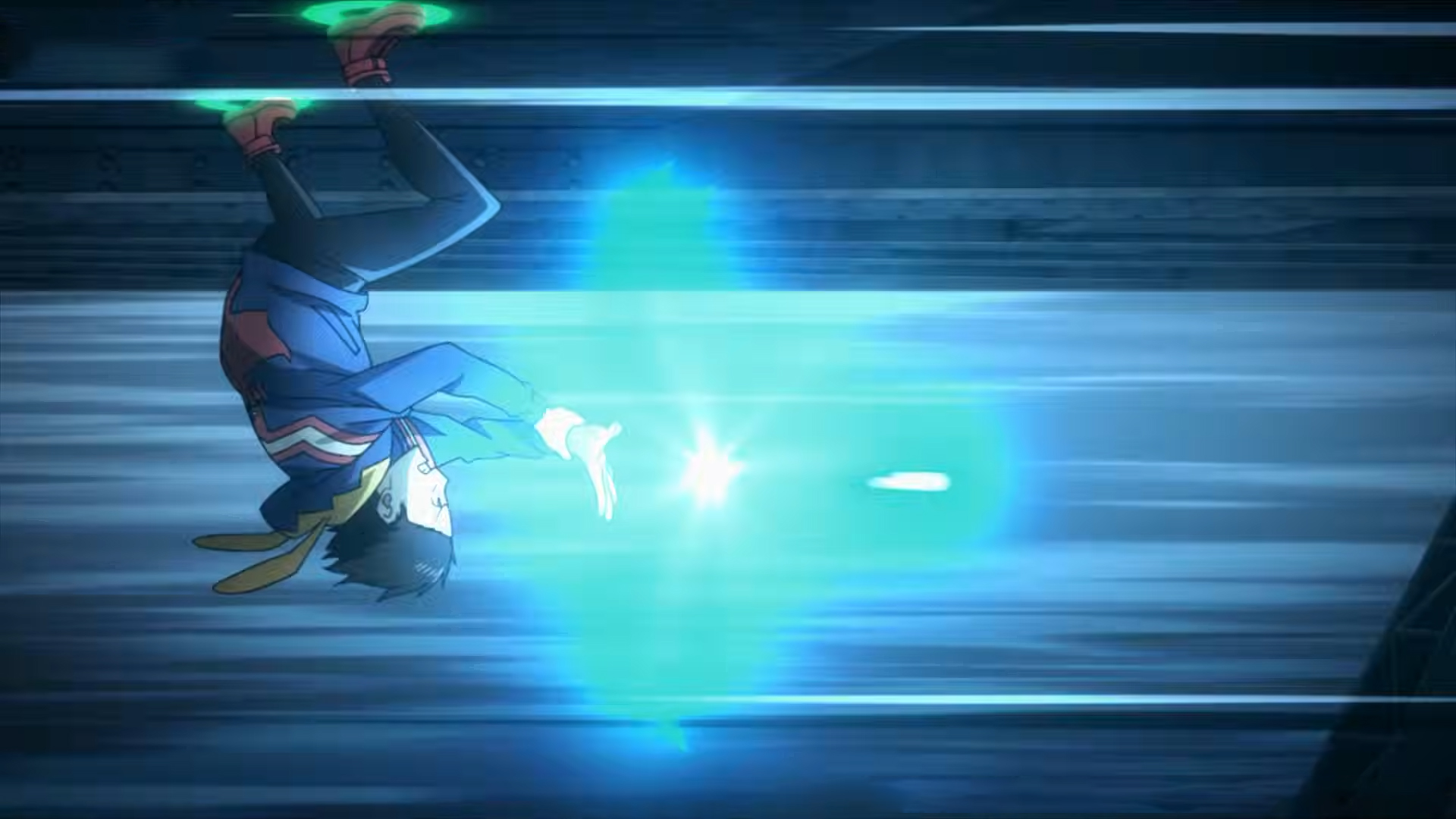
We also get some scenes between Knuckleduster and the Scarred Man, who is identified as “Number 6” by the familiar-voiced man down the other end of his phone, with ‘duster using his knowledge of his own Quirk to fight the villain even-handed. The final episode does a two-year time jump and sees Koichi still as the vigilante “The Crawler” and happy to still fight crime with Pop, even if more adult responsibilities are beginning to get in the way. Then we get a tease of the Big Bad behind everything (in both series as it turns out!) All For One, who is observing some experiments that will no doubt come into play for the next arc. Overall it was still a fun slice of MHA but three episodes focused on a main series character’s backstory and the final confrontation being much of the second half of the story means all the more comedic, slice-of-life segments/episodes that broke up the previous season were absent in favour of more core superhero action, which is either a plus or a minus depending on what you enjoyed most about the series the first time round. I didn’t mind it, but will admit I didn’t enjoy it as much as Season 1.
Jujutsu Kaisen and My Hero Academia: Vigilantes are both available on Crunchyroll