Scotland Loves Anime 2025
Across October and November, anime fans once again descended on Glasgow, Edinburgh and (for the second year running) London for the UK’s premiere anime film festival, Scotland Loves Anime.
This year saw the festival focus on a mix of up-and-coming directors, for example Baku Kinoshita (of Odd Taxi fame) and Yasuhiro Aoki. while there was a spotlight on the work of Takeshi Koike, with the director taking part in Q&A sessions for fan favourite Redline and his latest film, Lupin the IIIrd: The Immortal Bloodline. The core line-up of films produced a really snappy and condensed weekend for Glasgow, while London and Edinburgh got shaken up with different variations of action films, with London focusing on mecha with the likes of Mobile Suit Gundam: Char’s Counter Attack, Promare, and Gridman Universe; while Edinburgh got a curated collection from critic and journalist Kambole Campbell featuring the likes of Project A-Ko, You’re Under Arrest, and Golgo 13.
While not every film was an outstanding hit, this year’s selection felt pretty solid with a couple of standout audience favourites. We of course were part of that audience, and we’re going to break down the best and the rest from this year’s festival.
The Last Blossom
In Competition – Jury and Audience Award Winner
Onosume
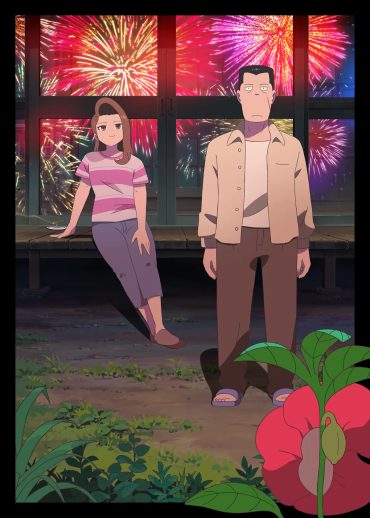
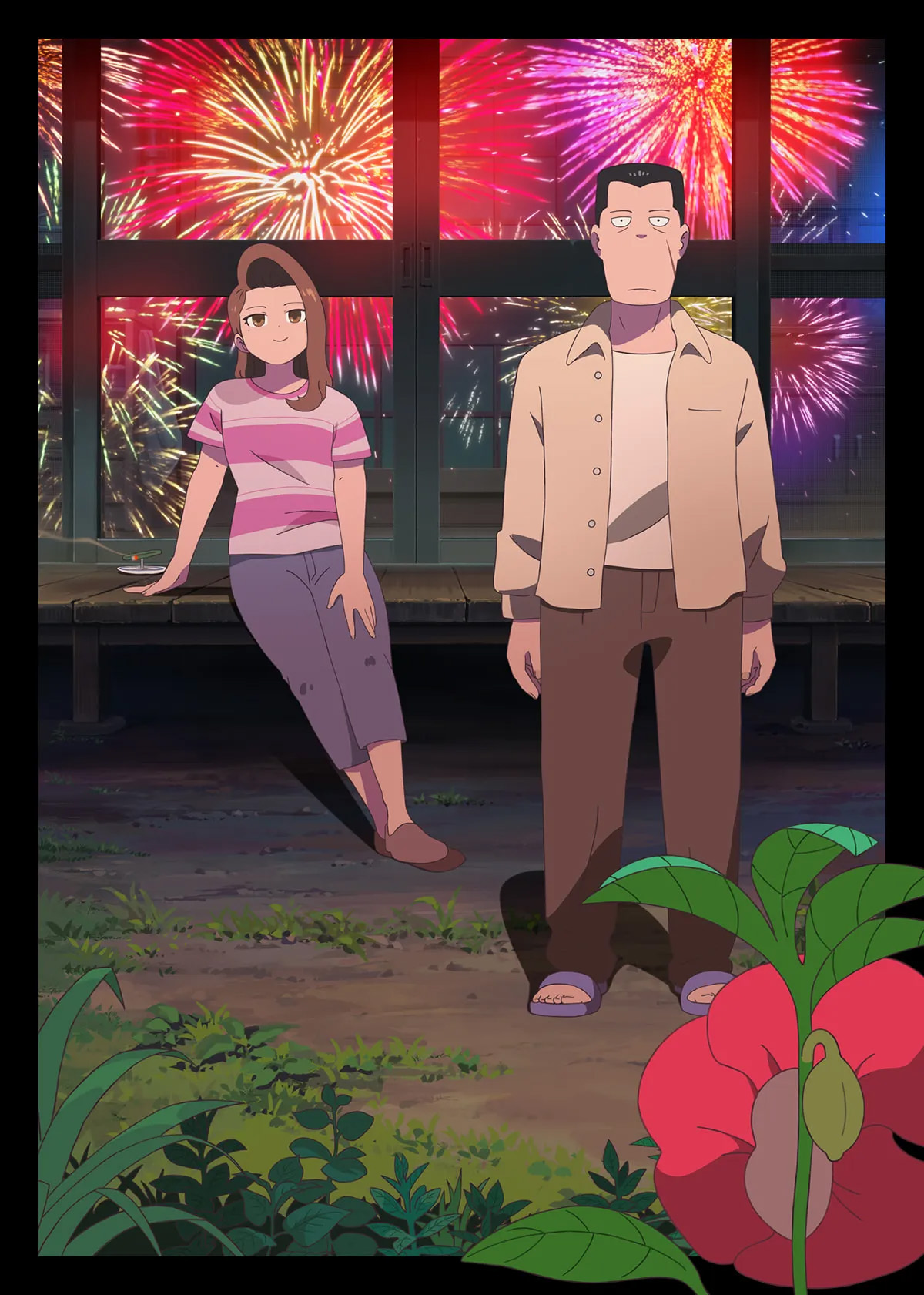
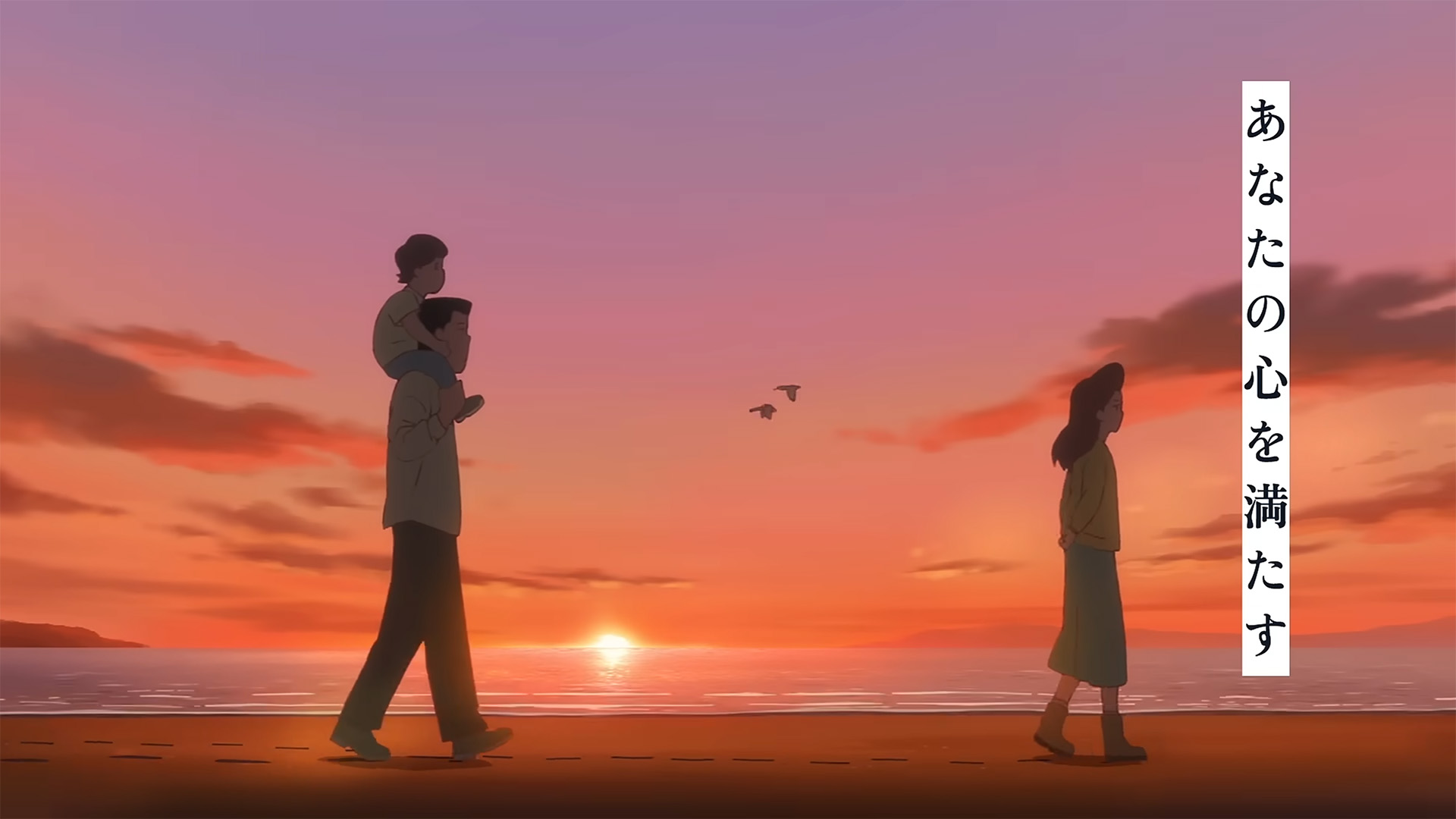
Directed by Baku Kinoshita, whom many will know helmed the surreal Odd Taxi, The Last Blossom feels strikingly familiar but takes a more sentimental tone in its presentation.
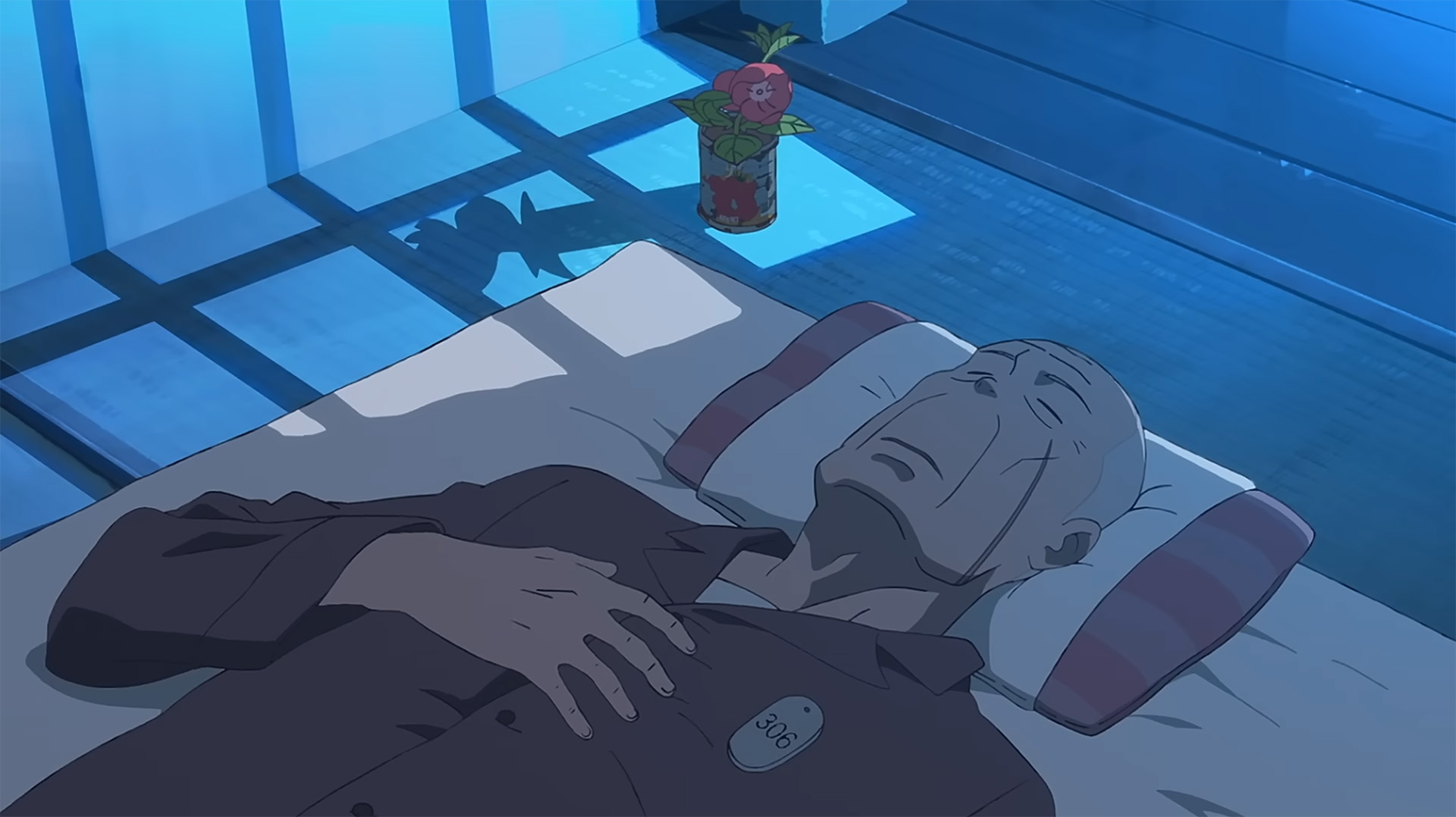
The story focuses on Akutsu, a member of the yakuza who has spent a lot of his life in prison and is on his last legs. After receiving a mysterious talking flower, Akutsu reminisces and tells both us and the flower the tale of his life. Flash back 40 years or so and we see him living with a young woman, Nana, and her newborn son, who he took in when she had nowhere else to go. The film explores their unique relationship and Akutsu’s dodgy dealings as part of the yakuza as he seeks to make it big in Japan’s bubble economy.
I found this to be both a moving and fascinating film, as we see Akutsu portrayed as a good-natured man who has really fallen in with the wrong crowd. He’s initially on protection after doing some shady stuff and you quickly build an attachment to him as you see him struggle trying to get by in his current situation and provide for Nana and her child at the same time. Yet as time moves on and he falls back into the yakuza’s clutches you see this big fall from grace as he uses the gang as an excuse to put off really committing to this strange relationship he’s found himself in. Around two-thirds of the way in it then shoves in a massive dilemma which changes everything, and you see all these little threads and seeds planted throughout the film come together which results in a glorious final act.
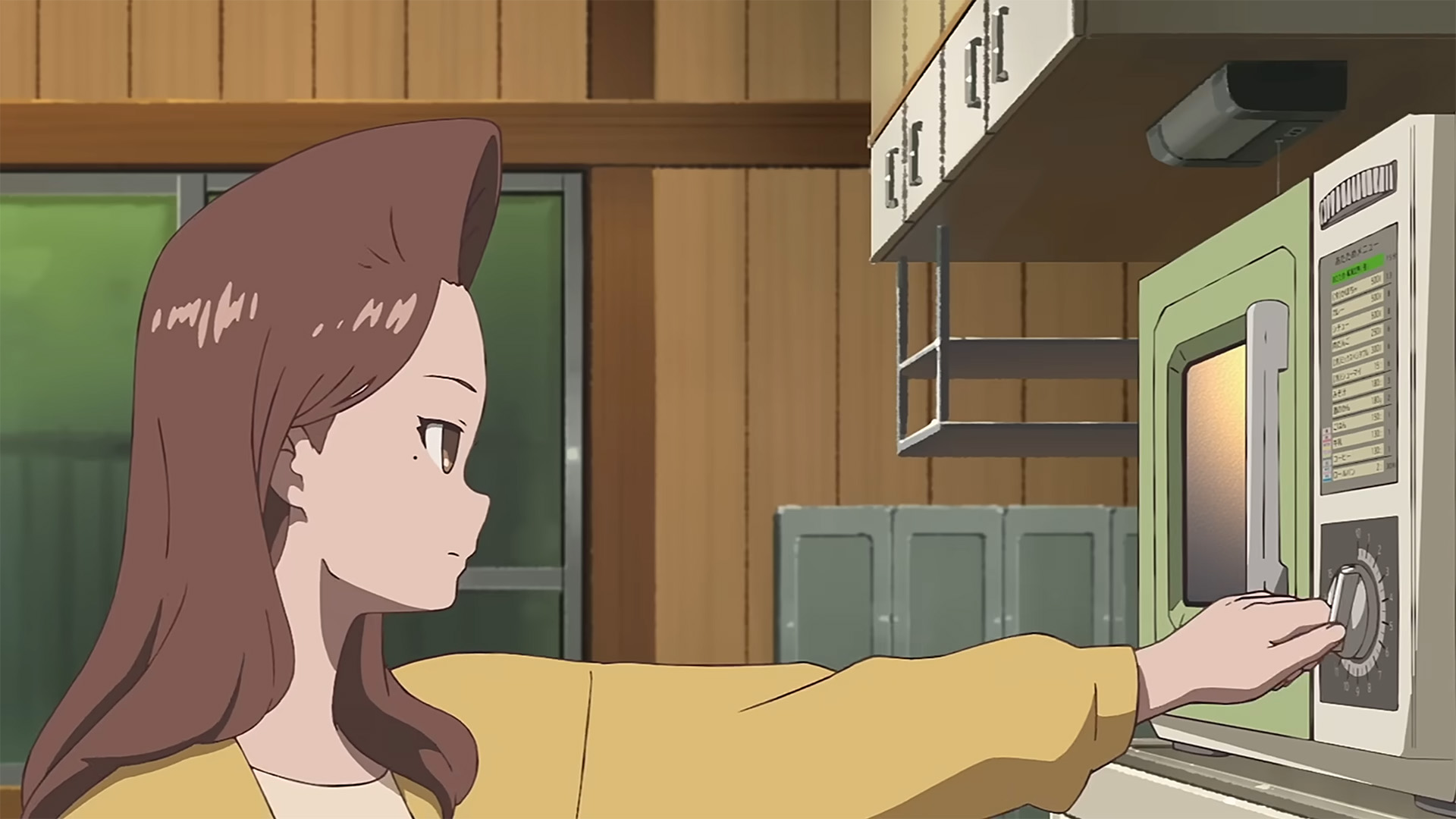
Just like in Odd Taxi, the characters are brilliantly goofy and have a lot of warmth, while I think anyone familiar with the tone of the Yakuza/Like a Dragon video games will get what the film is going for with the gang – they’re a bunch of nutters but they are very lovable. There are dodgy dealings, along with debauchery and plenty of backstabbing, but each of them has a human side which always gets a chance to shine through. Some background context of the era might be useful to know to help understand certain scenes, but ultimately this is one man trying to play a long game and not being very successful at it!
Beautifully presented by Studio Clap, the film has a smart but cartoonish art style that does it a lot of justice. It’s all about bringing characters to life and there are some really well put together scenes here (one of the final ones in particular has stuck in my head ever since I saw it!).
I think out of all the films at this year’s festival, The Last Blossom is my clear favourite. Funny, witty and moving, the film exudes charm and poise in spades and will leave you with a very good impression. I’d highly recommend checking this one out when it gets a wider release.
Demelza
The Last Blossom and 100 Meters were the two films I was looking forward to seeing the most this year, but I had reservations about The Last Blossom. Unlike a lot of my peers, I didn’t enjoy Baku Kinoshita’s Odd Taxi series at all and was worried that his new film would share too many similarities. Thankfully, my fears were unfounded, and I came away from this year’s festival having enjoyed this the most of everything I saw.
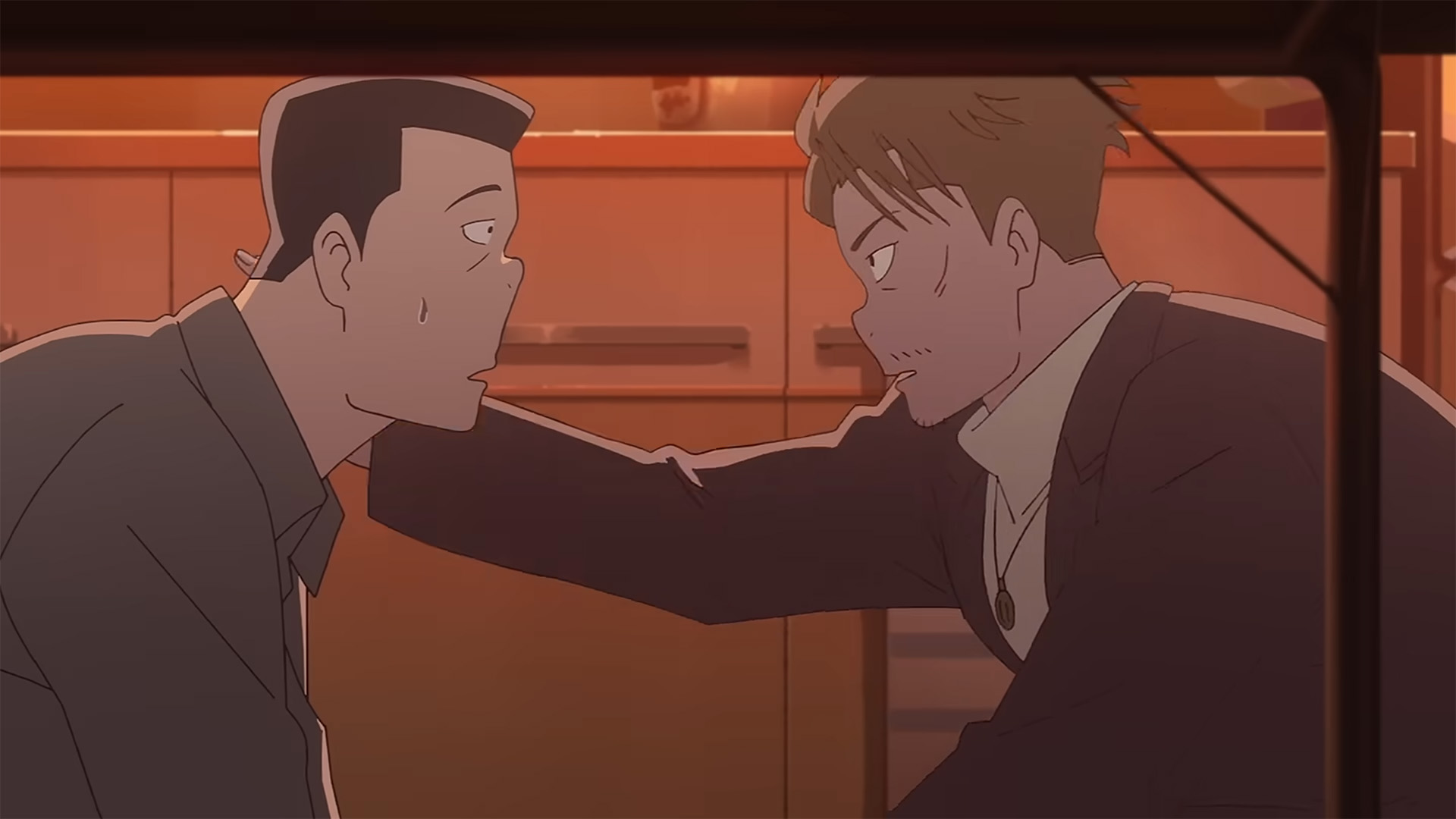
Perhaps the big difference for me is that there’s a relatively small selection of characters, which meant I got more attached to Akutsu’s story. As Onosume states above, Akutsu is portrayed as a good-natured individual who has just happened to fall in with the wrong crowd. And that makes him easy to cheer for, since he’s not exactly a diehard yakuza who’s going around killing people left and right.
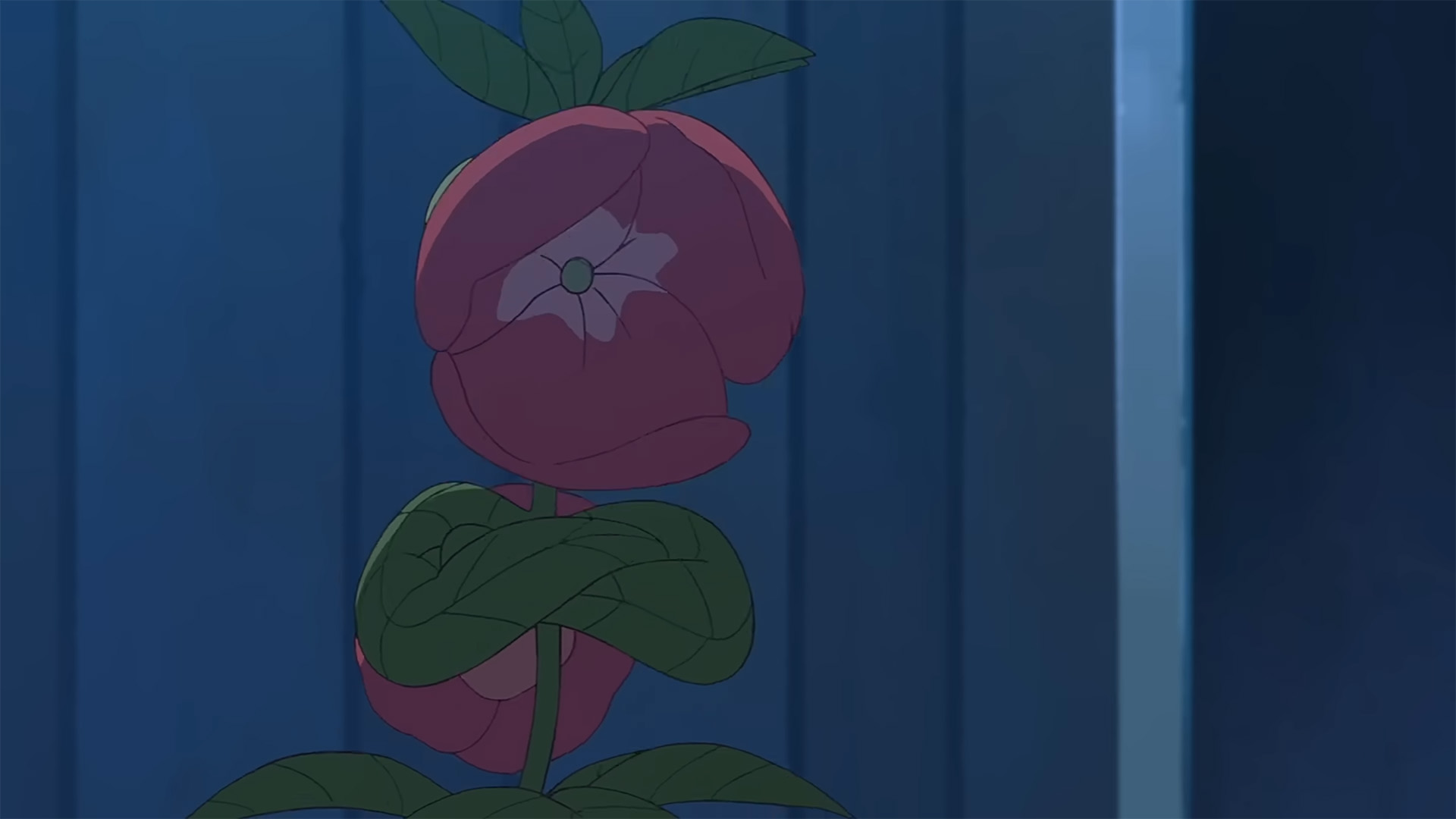
It’s this careful balance of charming and often light-hearted storytelling that captivated the audience, and no doubt led to it successfully taking both awards this year. There are a few twists in the story that I hadn’t been expecting, which kept me on my toes. And I think cutting back and forth between past and future to show scenes with the mysterious talking flower helps break up the tension of the narrative. It’s a film that gives you a lot to think about, but is also relatively simple, and that’s the beauty of it.
100 Meters
In Competition
Demelza
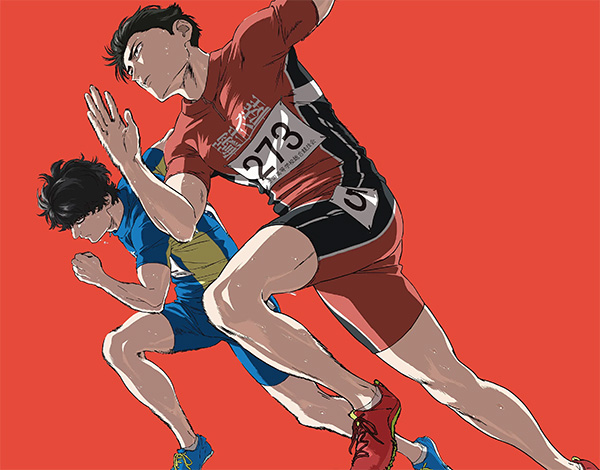
100 Meters was the other film I was looking forward to the most this year, and it certainly didn’t disappoint. Based on a manga by Uoto (Orb), the film follows the story of Togashi from childhood through to adulthood. Togashi has always been a fast runner and finds himself eager to teach transfer student Komiya, who has very little idea how to improve his form and get faster. As the story goes on, the two end up in a sort of rivalry as their lives take very different paths forward.
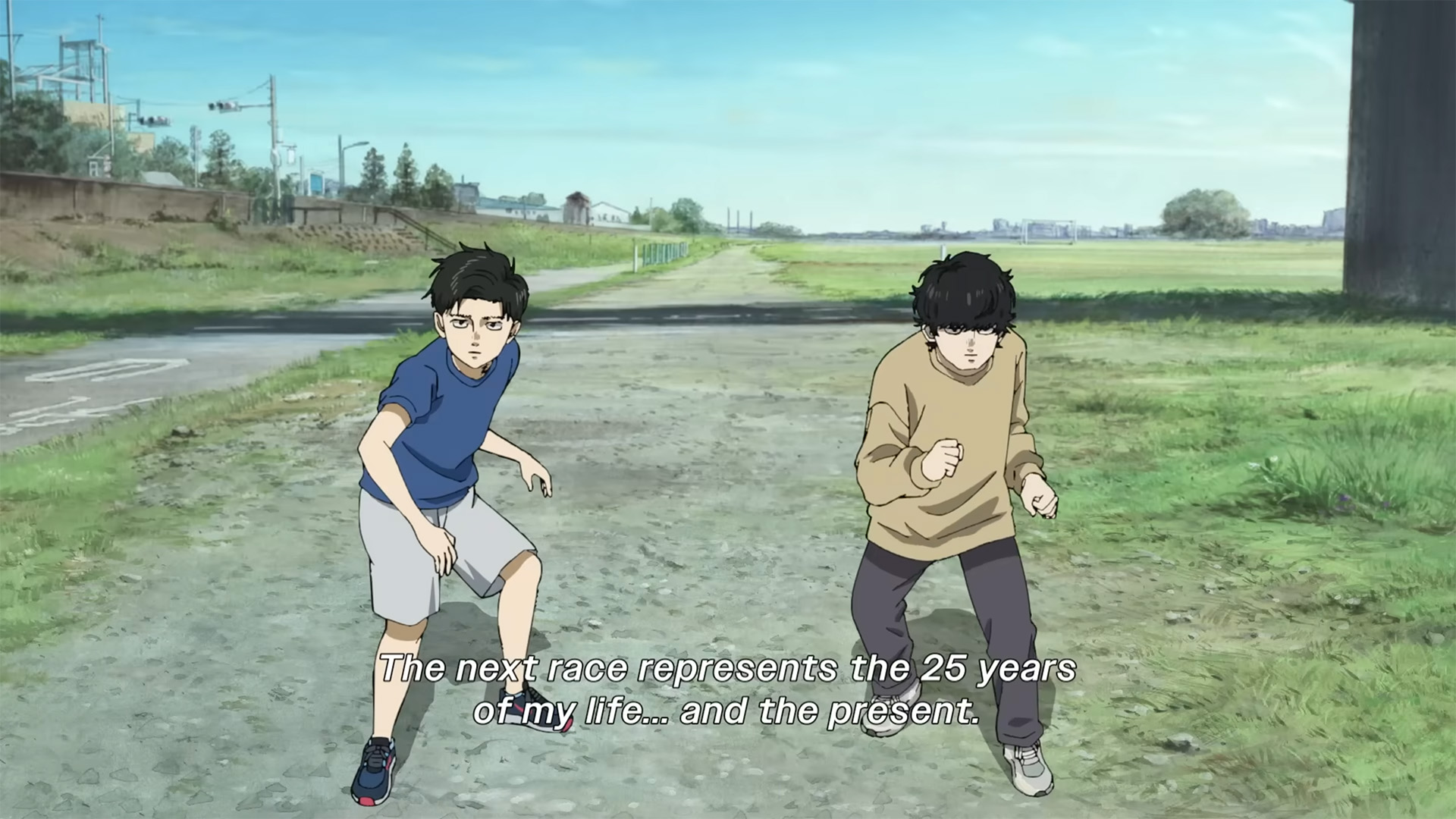
For me, this is the opposite of The Last Blossom, where we start out with a relatively small cast, but as Togashi gets older, we meet more and more characters, which leads to some issues in the end, as it doesn’t feel like the film does a good job of tying up the side cast’s individual storylines. It also means some fan favourite characters don’t get a great deal of time spent with them before moving on. Still, that is largely a minor quibble, as the rest of what this film offers is absolutely fabulous.
100 Meters has been directed by Kenji Iwaisawa (ON-GAKU: Our Sound), and there’s a lot of rotoscoping, which is one of his signature techniques. This works incredibly well for the film and blends in seamlessly with the more traditional 2D animation we see when the cast aren’t taking part in a race. The colour palette is bright and easy on the eye, befitting of a shonen sports series and reminiscent of something like Haikyu (with less outlandish hairstyles!).
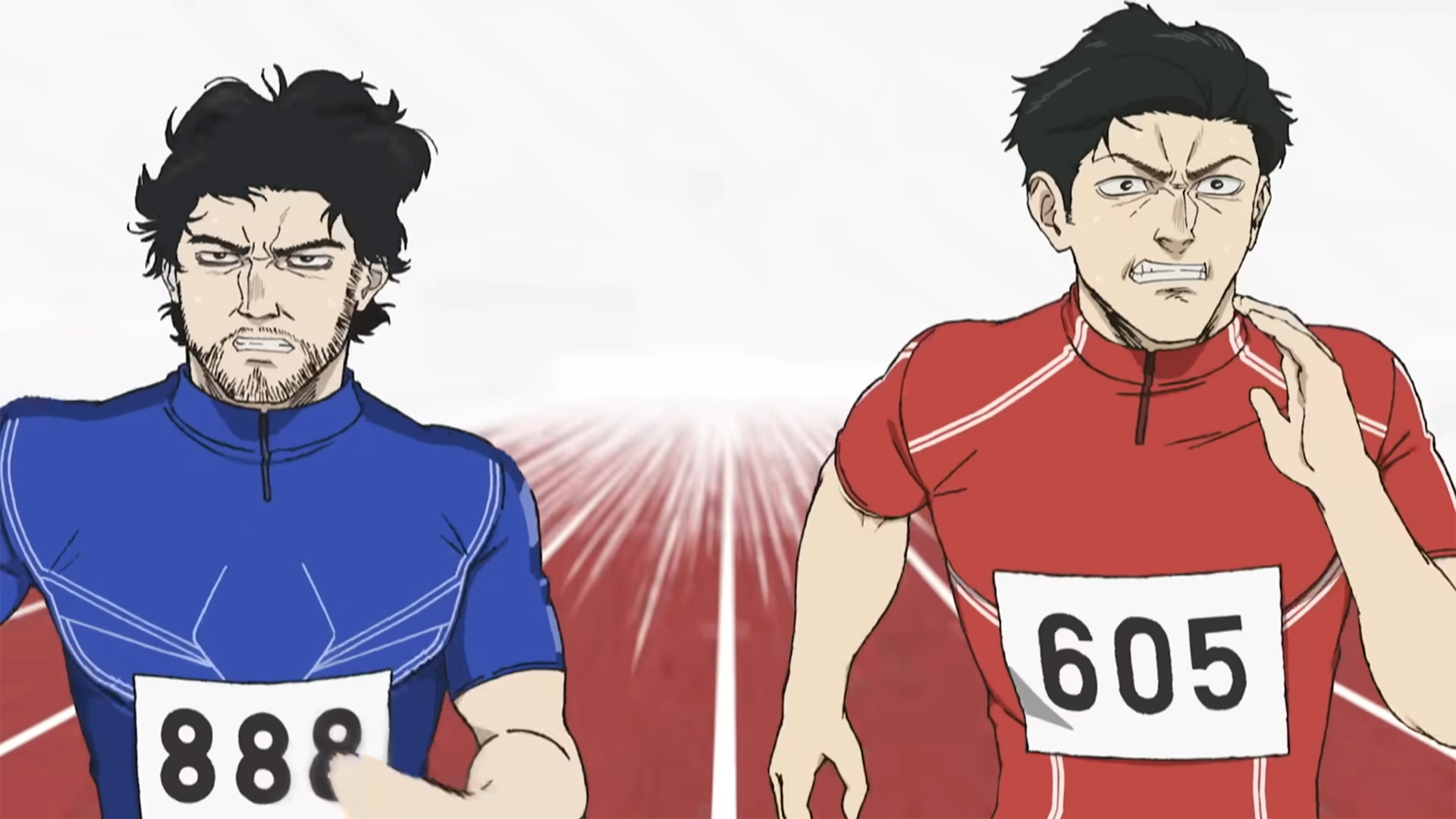
And even as someone who isn’t particularly interested in sports or running, I came away from this feeling like it had a lot to say. Each character approaches the sport in different ways, sometimes questioning the point of it all for the few moments they spend actually racing. It depicts emotions relatable to anyone finding their place in the world or simply examining the significance of their interests. Of everything this year, this is the one I find myself quite eager to re-watch, as it feels like there’s a lot to be gained from a second viewing when you know the cast better. At the very least, I’ll probably look into reading the original manga, although that sadly has yet to be licensed for an English audience.
Onosume
I’m a big fan of Iwaisawa’s ON-GAKU: Our Sound, not only because of its focus on music, but because it was zany, weird and really out there in terms of its plot, while its rotoscoped art style really works for the story it’s trying to tell. Therefore, coming into 100 Metres, I was really looking forward to what the director could do for sports anime.
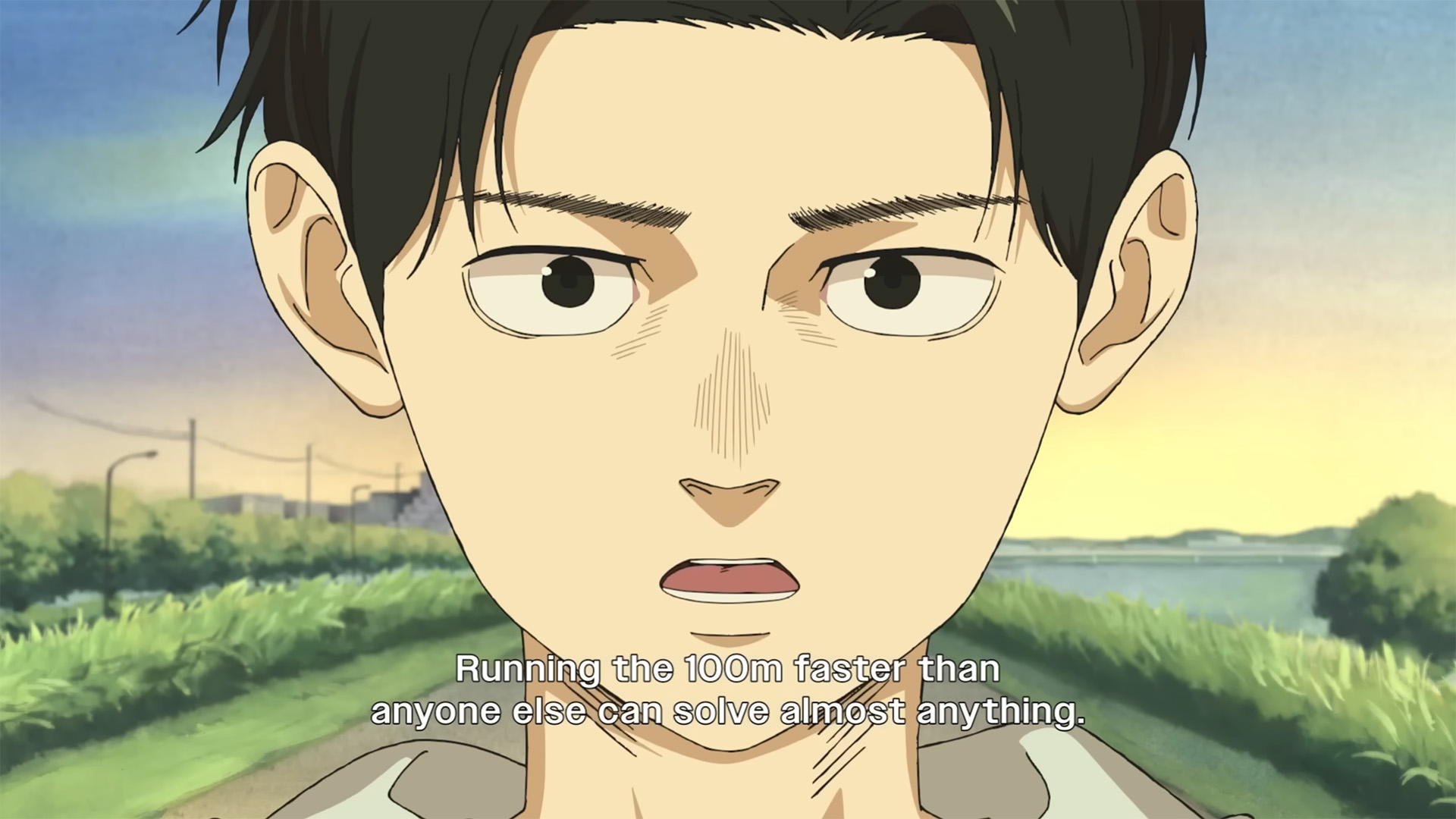
In comparison to ON-GAKU, 100 Metres is a lot more grounded, but still offers a lot of the same charms. The closest in tone is probably the first part of the film where Togashi and Komiya are kids and there is room to laugh at the things the kids do. Both are very serious about sport, but you can tell they are having fun as they brighten each other up as they become closer friends.
The mood of the film changes as they both get older as it starts to tackle some harder plot points, from failure and burnout to injury. I think it does a fantastic job of putting you inside the mind of an athlete, often asking the question: “What are you running for?” as for many of the characters in the film the answer to this is very complicated. In Togashi, for example, you get the feeling he would be an excellent coach, but he can never accept that idea himself as being on the track is all he’s ever known, and moving to the sidelines would feel like losing a part of himself. Meanwhile you can feel the spiciness of the different rivalries between the characters as there’s frequent butting of heads with them all not being on the best of terms.
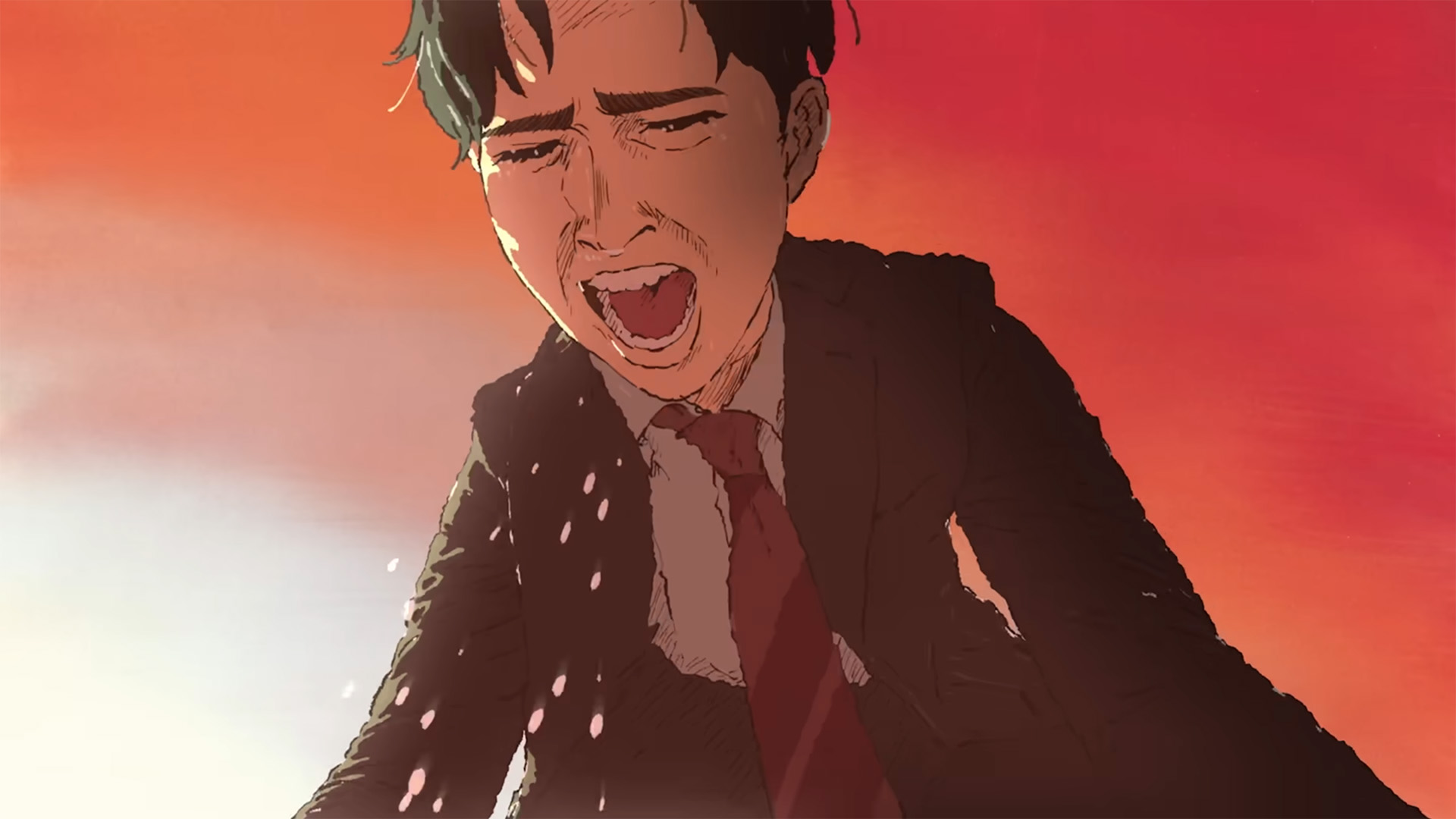
I’d agree with Demelza though that the way it handles its side characters is messy. A lot of them come and go throughout the film and it’s hard to keep track of who’s who, while some only get fleeting moments when they were initially teed up to be a bigger part of the film (the two girls in the high school athletics club come to mind here). Where ON-GAKU did a fantastic job of managing its cast, I think 100 Metres can’t pull it off quite as well. The relationship between Togashi and Komiya is the focus, but even then, I found it a little hard to read as it keeps rowing backwards and forwards on whether they were really childhood friends. Real-life relationships can be confusing at the best of times, so it reflects that I suppose, but I wish it were a little more consistent.
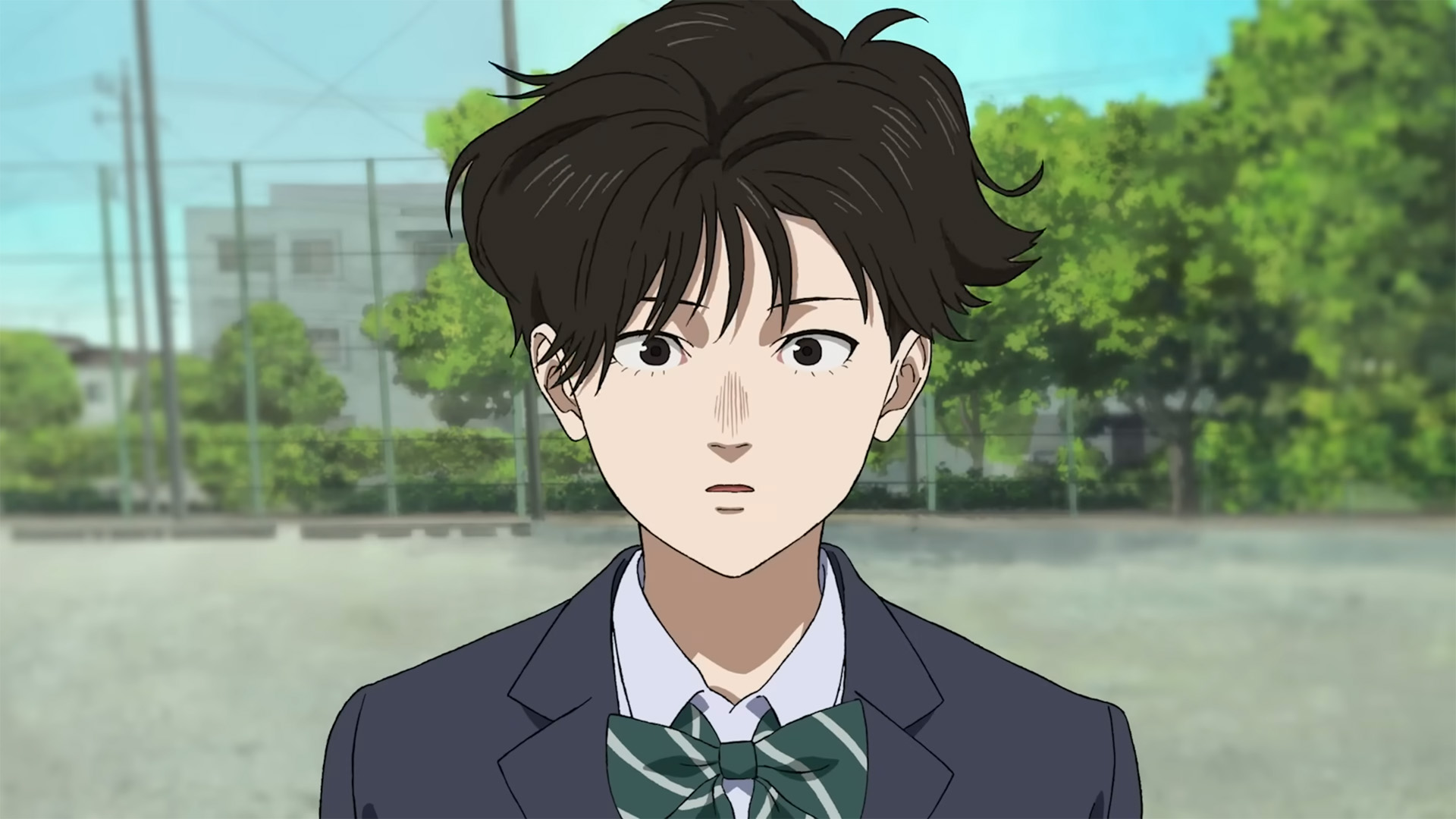
What is consistent is the quality of the animation, as 100 Metres looks fantastic. There is often some resistance to rotoscoping with anime fans, as it sits in this uncanny valley between live action and hand-drawn animation that can feel choppy and unnatural; but I didn’t get that feeling at all here. The characters feel alive and jump off the screen, while there’s plenty of detail in the backgrounds. Specific scenes also really impress, particularly a race run in the rain that serves as one of the film’s major turning points.
While it has its faults, I still love what 100 Metres has to offer, as it gets into the heads of these athletes and shows us their pain and joy in the heat of competition. In terms of sheer thrill and enjoyment and technical accomplishment, with a showcase of rotoscoping done right, this was definitely one of the strongest films at this year’s festival.
Chao
In Competition
Onosume
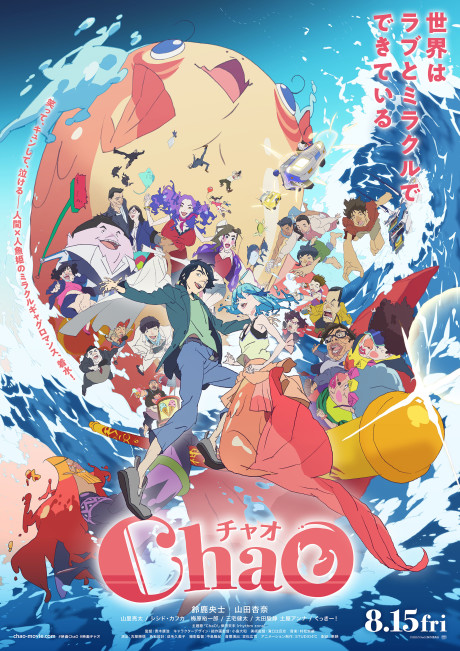
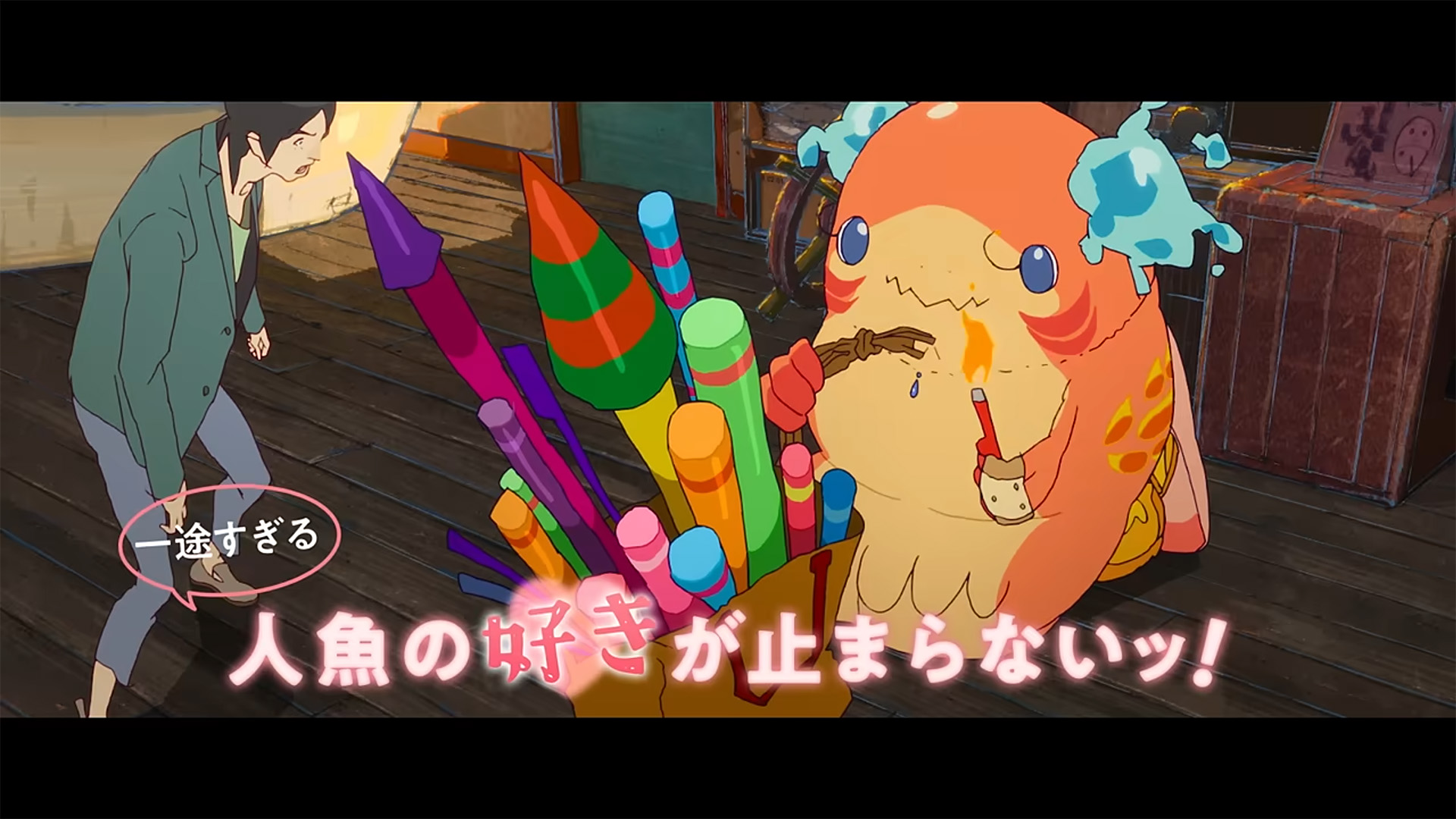
Directed by Yasuhiro Aoki, Chao is Studio 4°C’s take on The Little Mermaid. Set in Shanghai, the film initially sets up a lavishly exotic world where humans and merfolk live in relative harmony. Told through the eyes of Juno, a hapless journalist who runs into the legendary Stephan, we find out how Stephan came to be married to the merfolk princess and how the world, which was previously hostile to merfolk, changed because of their relationship.
I ended up seeing Chao multiple times with it having the most screenings across the festival (including 2 Q&A sessions with the director!), and each time there was such a mix of feelings from the rest of the audience – some loved it, some hated it, and some were a bit in-between.
Personally, I was very mixed on this film, as while this is really well animated with a very distinct art style, the tone of the film is not what you’d expect from a romance built upon the foundations of a classic fairy tale.
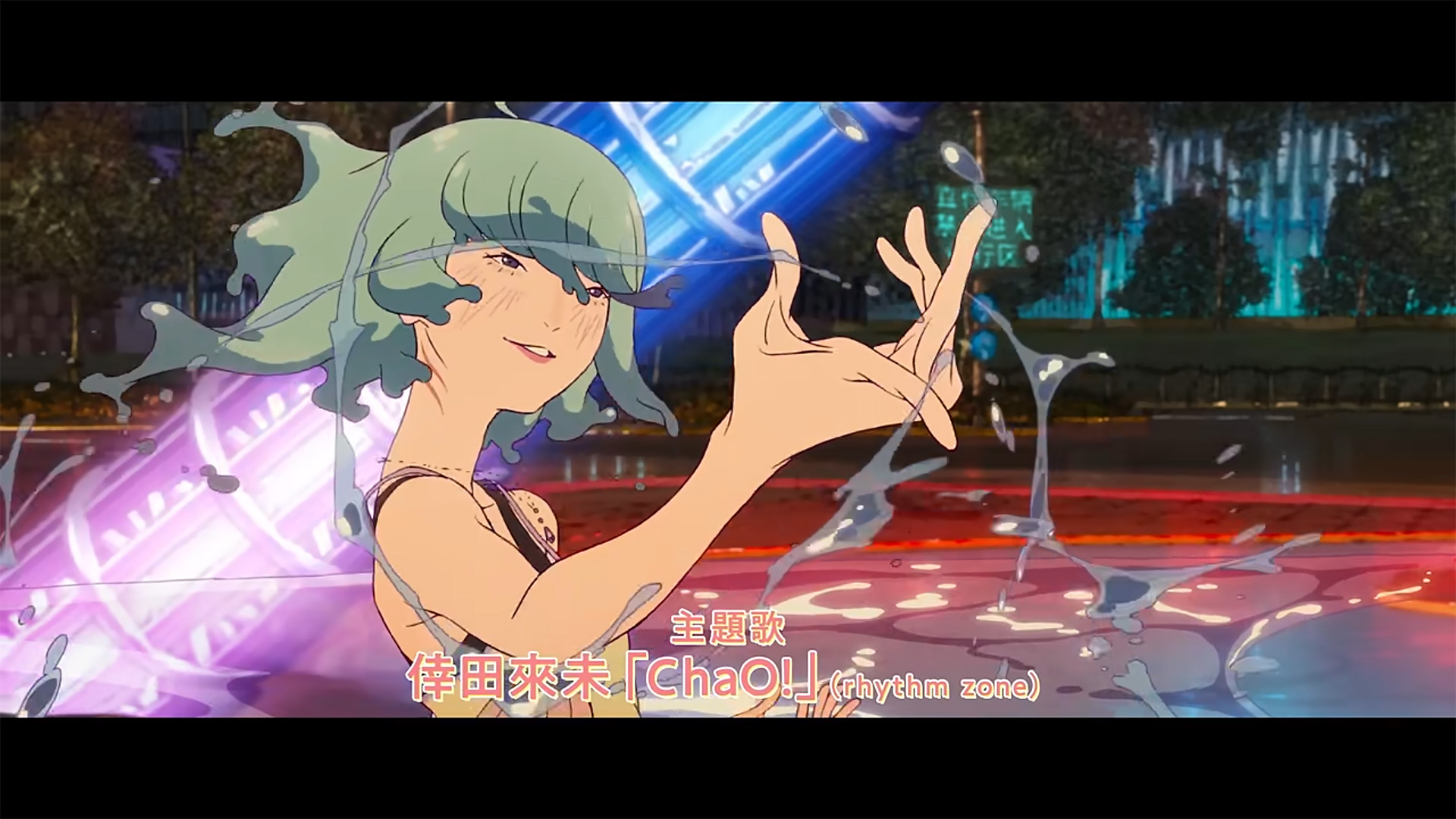
You see, Chao is first and foremost a comedy where you’re supposed to laugh at all these goofy looking characters getting into a range of mishaps, and I think there’s been too much focus placed on this instead of telling the eye-opening romance about accepting others that lurks in the background. Some of the gags are great, like early on there’s a scene where Juno gets his head in between some freshly caught frozen fish which rhythmically collide together into his head which is absolutely hilarious, while there are things set up ages before the punchline lands and you feel impressed about how everything was planned out.
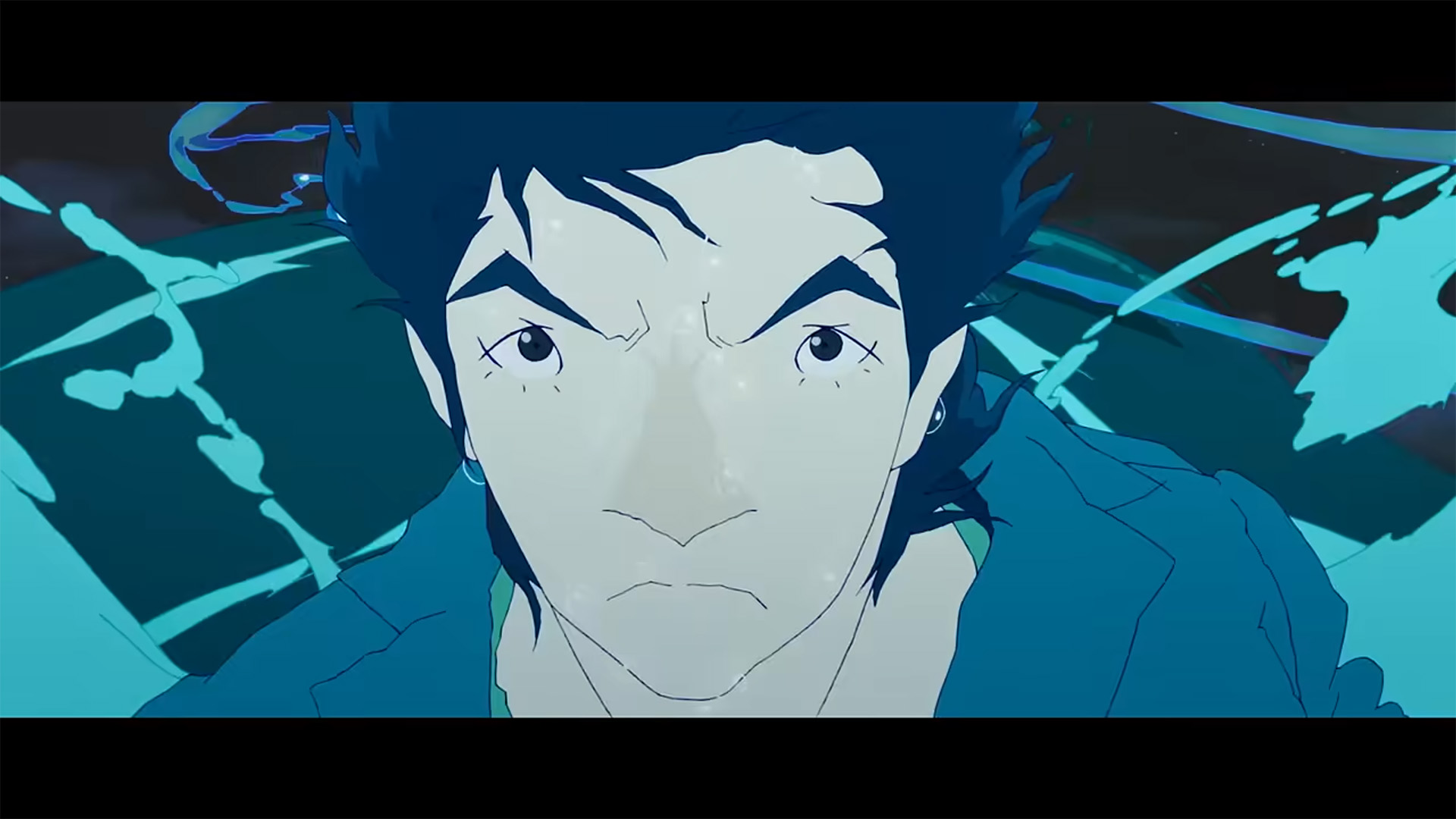
When it comes to the more dramatic moments and the character writing though, everything begins to fall apart. Stephan in particular is hard to like as he’s frankly a racist and misogynist idiot who fails to appreciate the people around him. While he’s supposed to have amnesia it’s never really explained why he can’t remember his childhood, and I think a lot of his character has been contrived to give an essence of conflict in the story and give it points to move forward on. There are other issues in here too, from Juno calling his boss sexually demeaning names to the way Chao is given a housewife role rather than trying to find a place for herself, and the awkward caricature the cross-dressing ambassador poses; there are some deep-seated views presented here that just don’t sit right.
This all comes off as a massive shame when the film’s animation and art look so good and has so much depth in every scene. This is a film you can come back to multiple times as you notice something else happening in the background, while it’s frankly ridiculous how many little references to other things it tries to pack in.
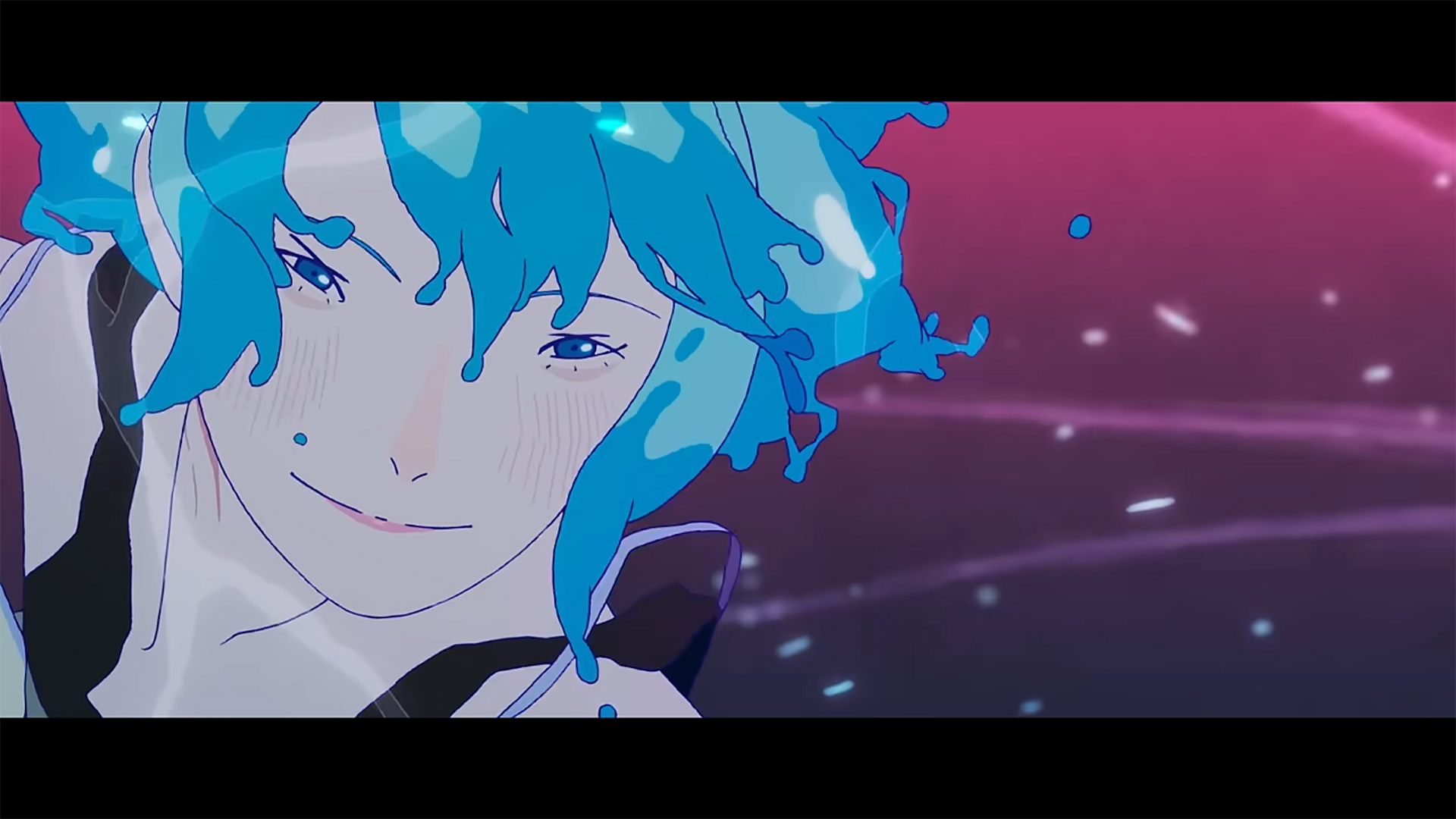
Ultimately, Chao strikes me as a weird comedy that has tried to aim itself at a traditional family audience where everyone has something to enjoy. The kids have the wonder of discovering who Chao is like an imaginary friend, mums have a bit of romance to get into, while dads have a mix of raw laughs and some eye candy on the side. Taken in this frame of mind it works, but through the lens of a hardcore anime fan it is very easy to poke it full of holes.
All You Need Is Kill
In Competition
Demelza
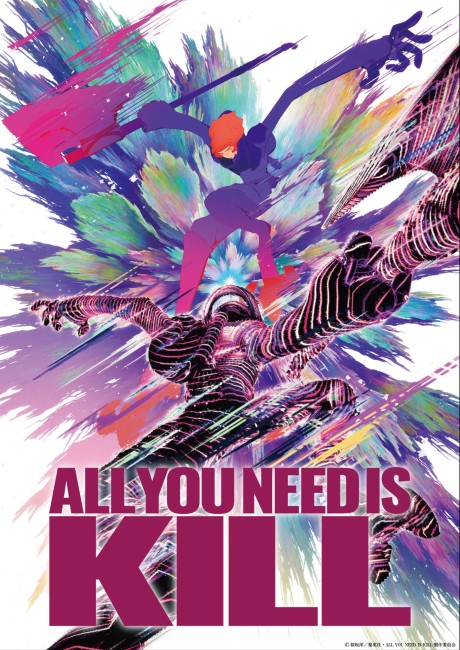
My first experience with All You Need Is Kill was with Takeshi Obata’s manga adaptation back in 2014. From there, the original novel went on to be adapted into the Hollywood live-action film Edge of Tomorrow and now into an anime film by Studio 4°C (Chao). But rather than being a straight adaptation of the original work, this also changes things around significantly to create its own version of the tale.
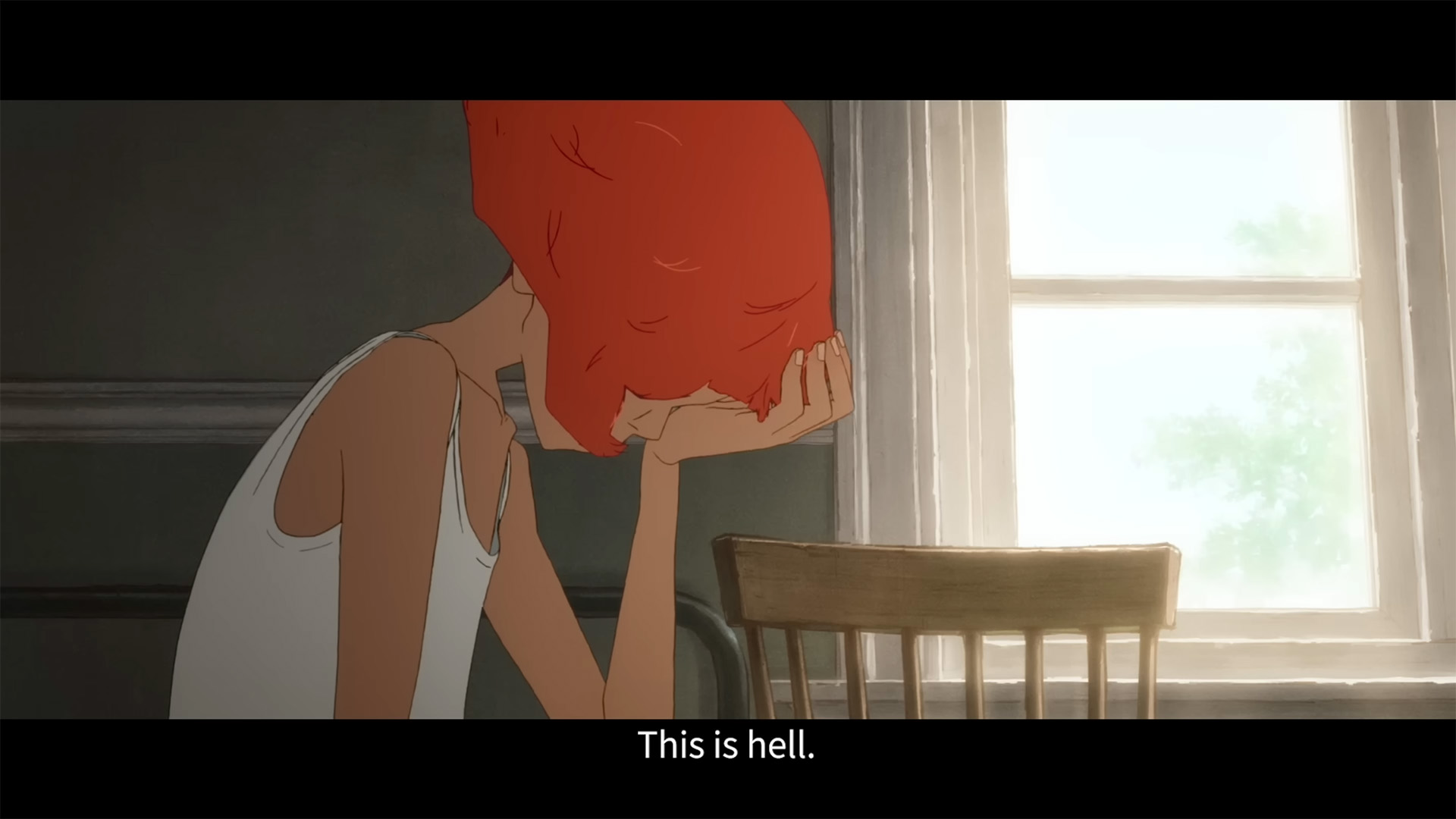
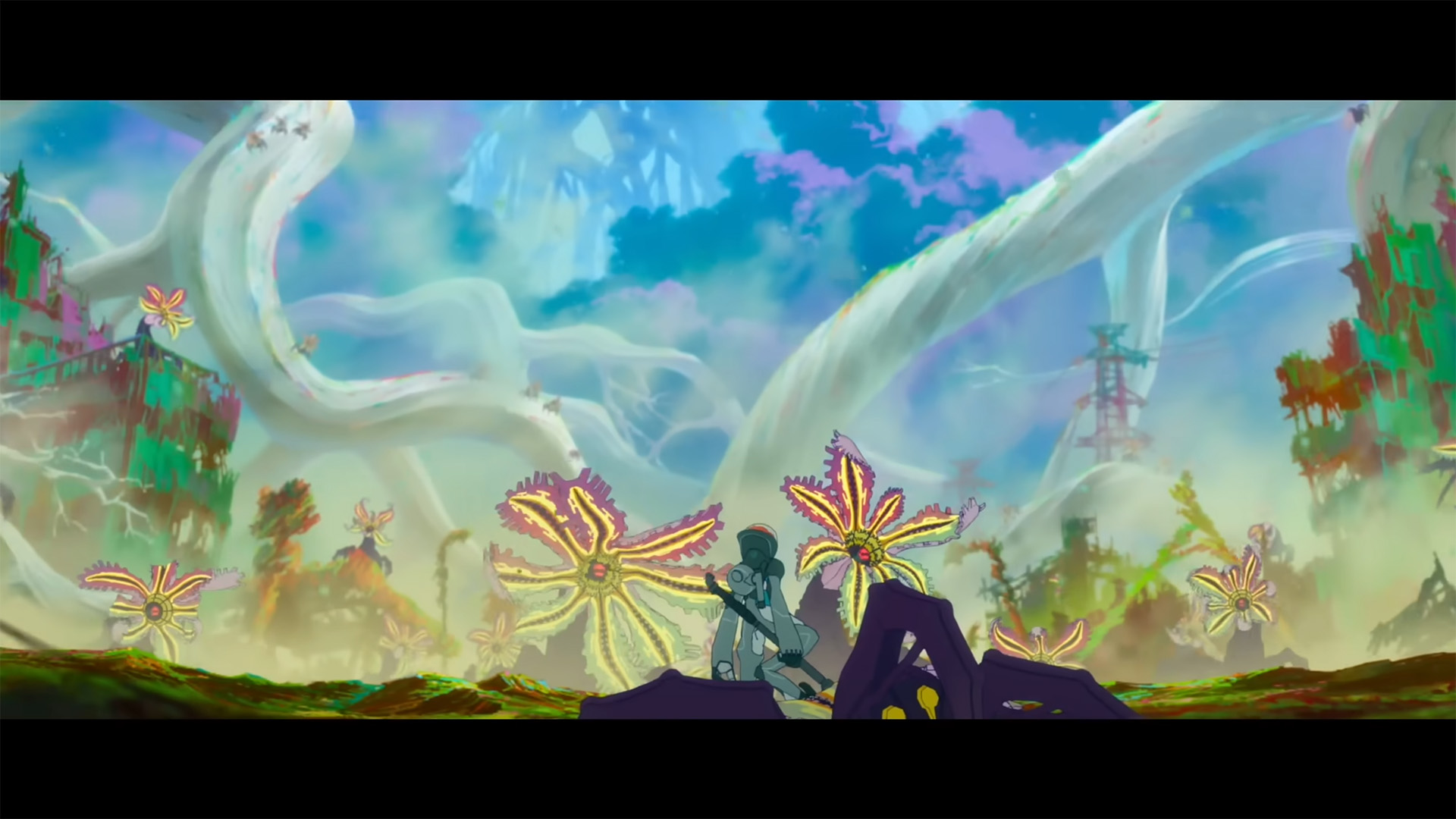
Perhaps the biggest change is that the story is told from the perspective of Rita rather than Keiji, who is traditionally the protagonist, and rather than being in the military, Rita is simply a volunteer. Our story is set in the year 20XX, where an alien flower known as the Darol has appeared and caused chaos across Japan. Rita is part of a group that tries to rebuild Japan by removing parts of the plant, but one day the Darol erupts and unleashes vicious monsters. Rita, of course, is completely unprepared for this and ends up being killed by one, only to wake up and find she’s stuck in a time loop.
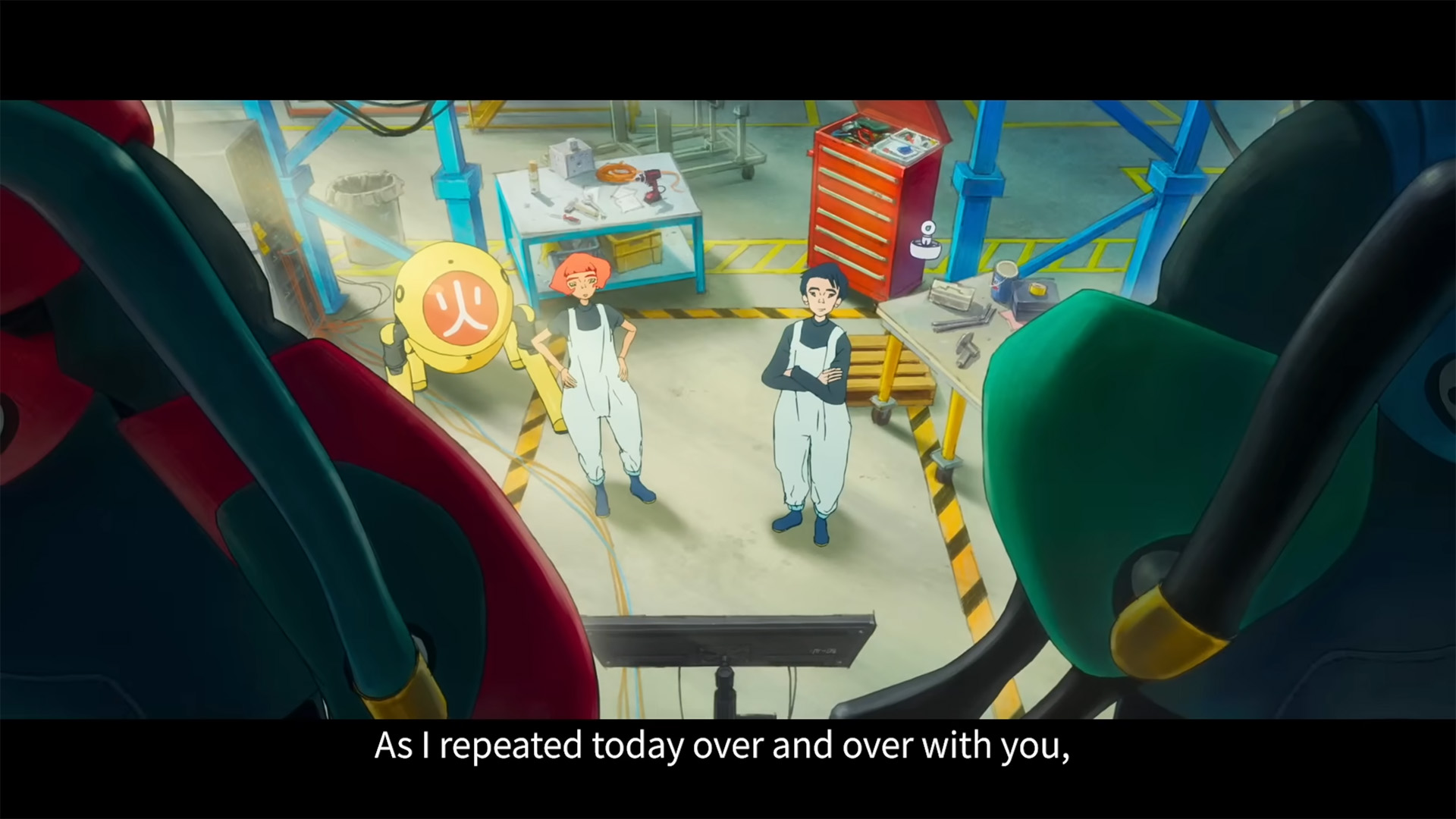
Rita quickly realises that she isn’t going to get out of the loop without dealing with Darol’s monsters, but that’s easier said than done for someone with no battle experience. She does have a mechanical bodysuit, thanks to her job, but that is not exactly kitted out for fighting aliens either. Every loop leads her to figure out better ways to equip herself as well as grow stronger, but they also plunge her deeper into despair as she worries she’ll never escape the loop.
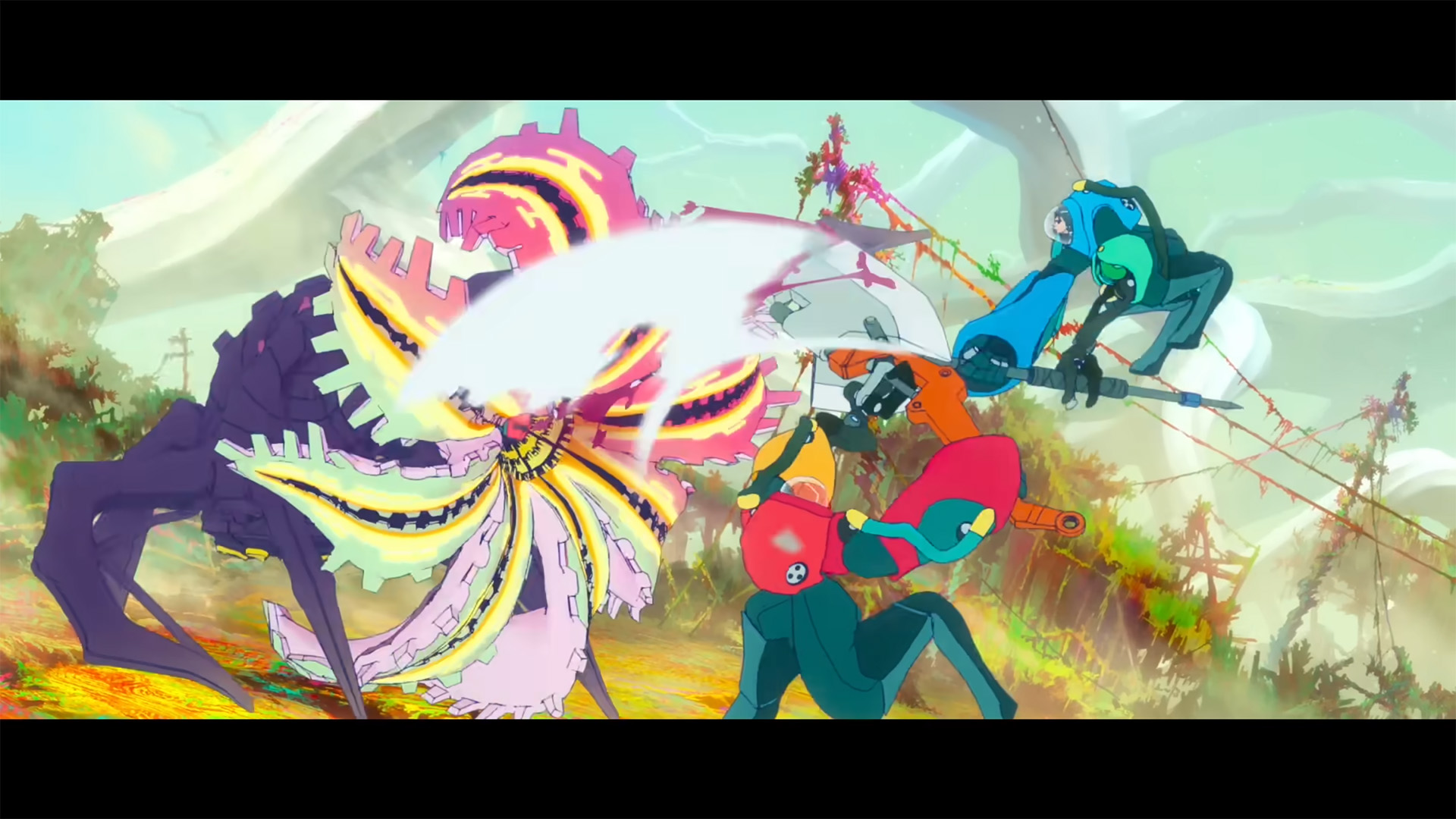
It’s meeting Keiji that makes a huge change here. He’s also been experiencing the loops and secretly helping Rita because he was too shy to approach her, but when she eventually confronts him, the two become friends. He’s smart and can make a lot of technical advancements to their gear, which complements Rita, who is more brawn over brains. Although given they only ever have an afternoon effectively to make these adjustments from scratch every loop, I had to try and ignore the fact that it was getting increasingly impossible to achieve if there was any realism to it at all…
This one ended up coming last both in the audience vote and the jury, which I found surprising since, on the whole, it’s a fairly inoffensive action film (Chao I felt had more faults compared to what it was trying to be). I think I found it particularly interesting due to it being such a different take on All You Need is Kill, whereas a total newcomer would probably find it dull without that knowledge, and maybe that’s where the difference lies.
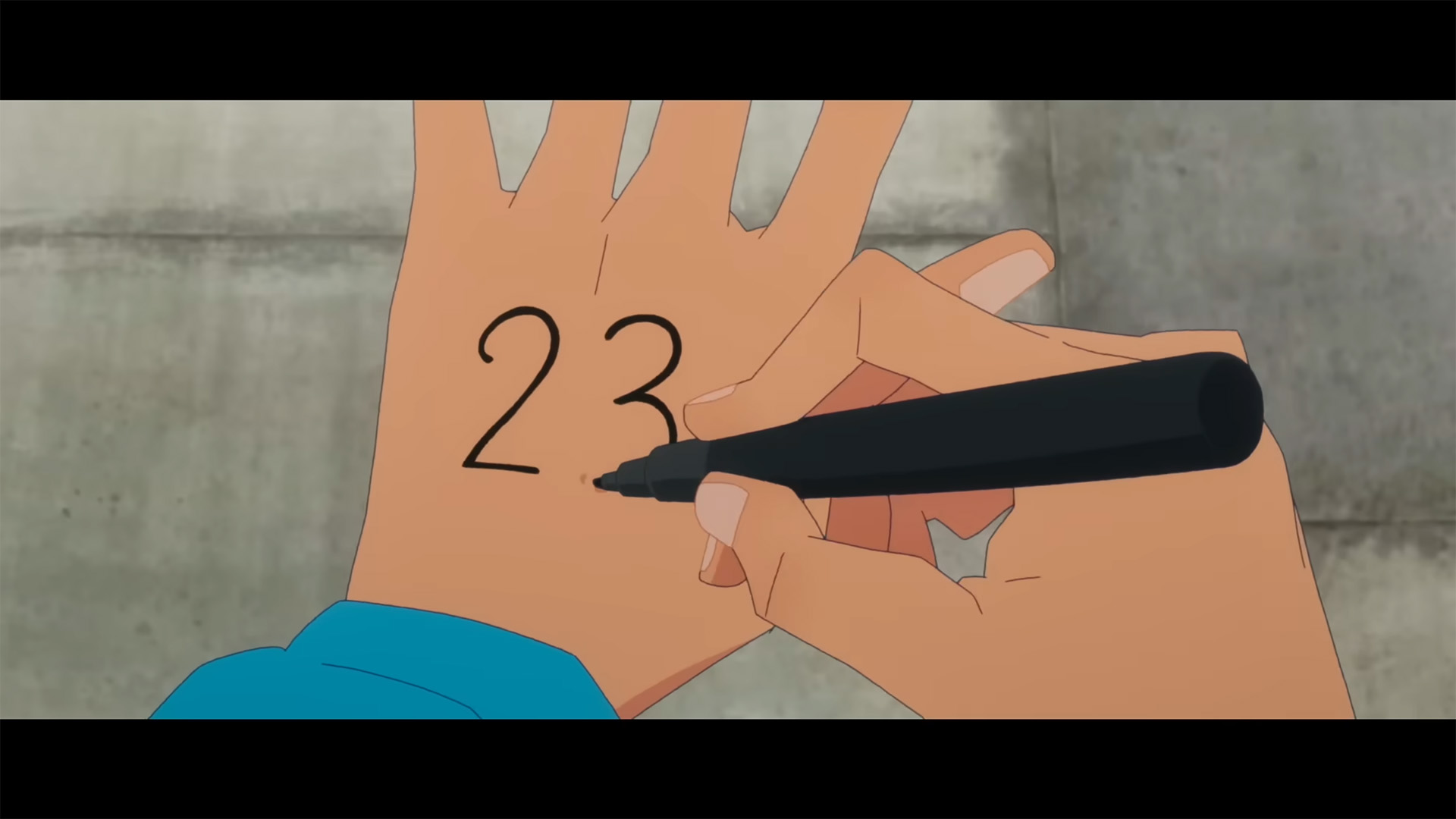
The animation is great, very weird and colourful, which adds to the alien nature of the Darol. But that’s perhaps the most unique aspect the film has going for it. Everything else we’ve certainly seen done before in one way or another, and neither Rita nor Keiji is very interesting. Keiji especially in this version lacks depth, whereas Rita benefits from being the main perspective, but they don’t end up doing a lot with her that’s memorable. The emphasis is definitely on the action scenes and depicting the psychological element of being trapped in a time loop like this.
Although I will say I appreciated that this version was a lot less dark than other versions of the story, I actually put my partner off watching it, believing it would be as bleak as we’ve seen previously, and I felt bad about that after, since it was nothing like I’d anticipated in that department. Worth a watch if you’ve got prior experience with the franchise or particularly like action films in my opinion. It might not be the most memorable project, but I found it enjoyable enough despite the otherwise muted reception it seems to have gotten at Scotland Love’s Anime.
Onosume
This was really my first experience with the All You Need is Kill franchise, and was it dull? Absolutely not!
I’m a big fan of timey-wimey sci-fi stories like this and I ended up really enjoying it as we get to see how things change over each successive loop and how Rita comes to develop into a stronger version of herself. Switching the focus to her over Keiji gives the film a unique perspective, as it feels more tuned in to humanity’s problems as a society. The side characters are quite selfish and ignorant, only caring for themselves, while they feel too comfortable with a massive alien creature looming over their heads. There is even a point that Rita wanted this to happen so she could escape from the guilt and trauma of her past.
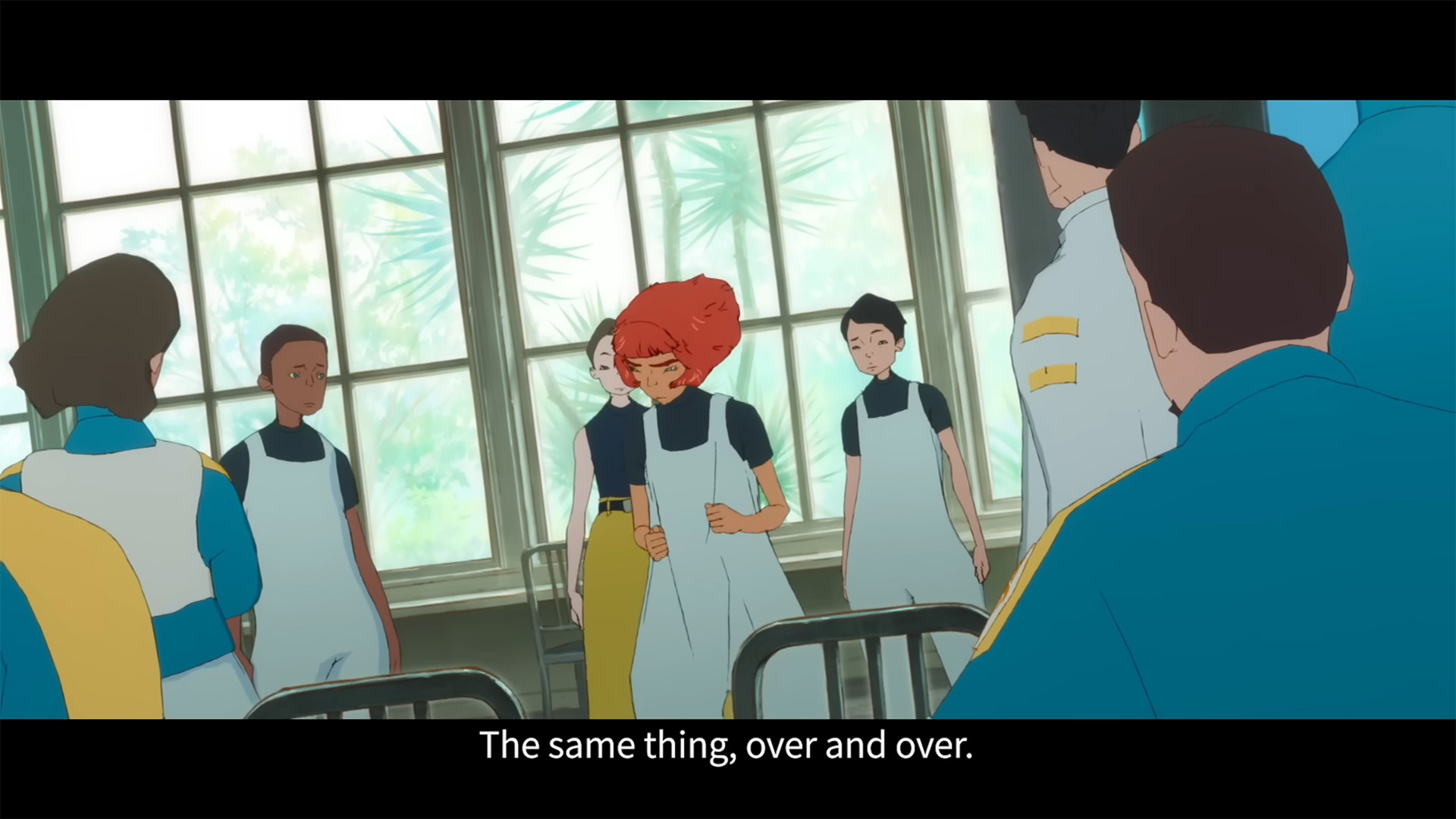
I like the fact that it focuses on the psychological effects of the invasion and not only the fear of the aliens, but the fear of failure and the despair Rita and Keiji fall into as they slowly realise everything they are doing is meaningless and maybe, just maybe, humanity needs to be wiped out after all. A sobering thought for sure.
That said, I think Demelza’s criticisms of the film are fair – there is a lack of depth here and it requires a lot of suspension of disbelief for everything to work as it should because there is such a short time frame for things to really change. Switching weapons to be able to kill the aliens? Sure. Building a massive robot army? Not so much!
I watched Edge of Tomorrow after I got back from the festival and I think this is where the Tom Cruise film is a lot stronger, as it’s the protagonist that changes rather than the things around them. In the anime version, there’s a greater reliance on the use of tools rather than brute strength, and I think it gets carried away in throwing different ideas to tackle the aliens rather than sticking to the strengths of the core plot.
In comparison though, this anime version just has a very different focus, as it’s more about the aliens and how they interact with and change the world and humanity as Darol latches onto Rita and Keiji. It makes Darol a character in itself, rather than the mindless invaders that the Mimics are portrayed as in other adaptations. The designs of the aliens are also really interesting, coming across as plant-like parasites with giant mouths to gobble people up. The very vibrant and colourful art style and Studio 4°C’s animation do wonders for the world at large too, giving an impression of a world that’s been unleashed from our control and is slowly returning to the wild.
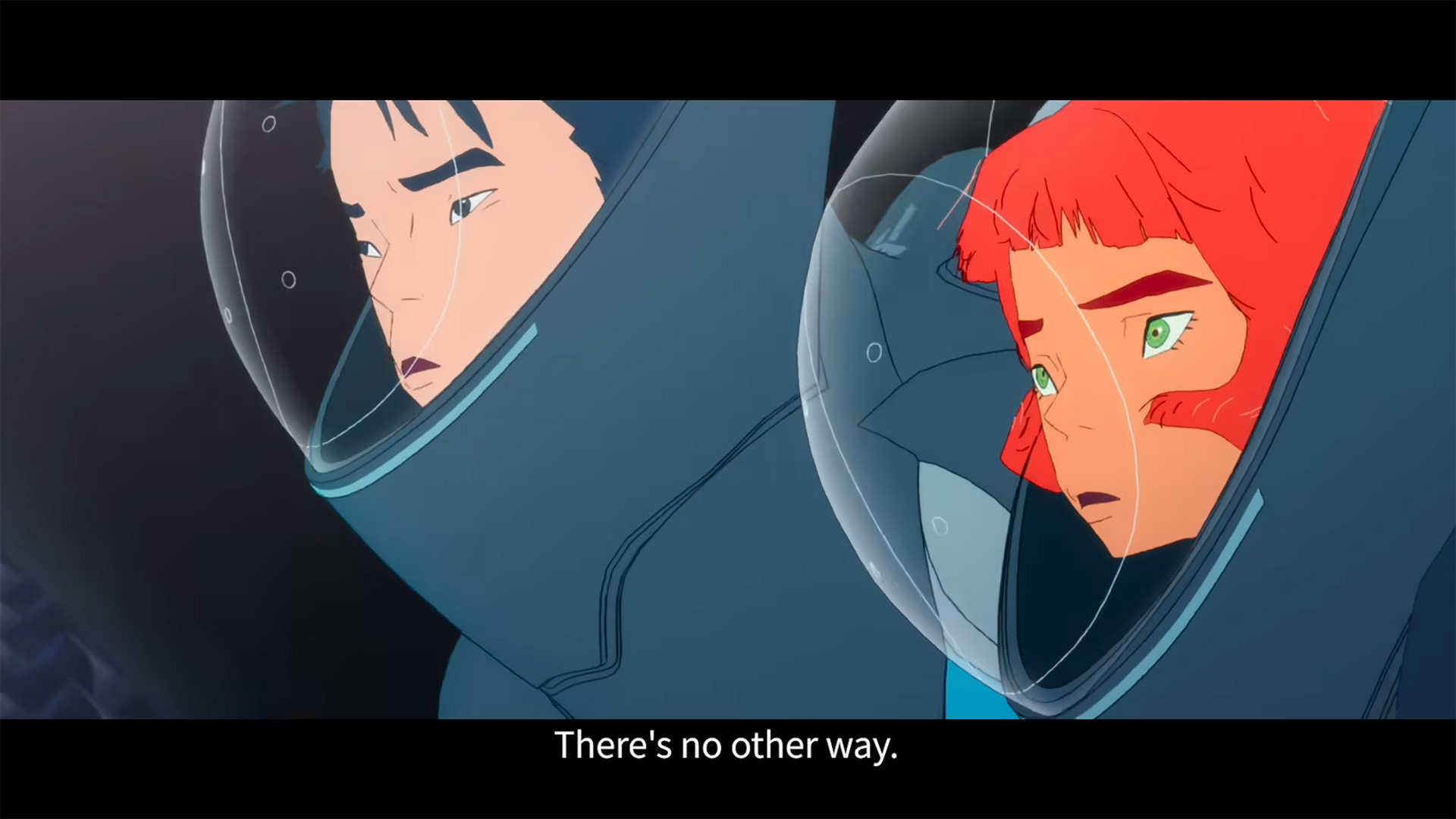
While it’s perhaps furthest away from the original novel in terms of its direction and design, I think I have a massive soft spot for this one overall. It puts the conflict in a very different perspective with a female lead, while turning the spotlight more on the aliens and how they affect the humans and the wider world. Put your expectations of the franchise to one side and I think you’ll really enjoy it.
Lupin the IIIrd – Takeshi Koike OVA Series & The Immortal Bloodline
Onosume
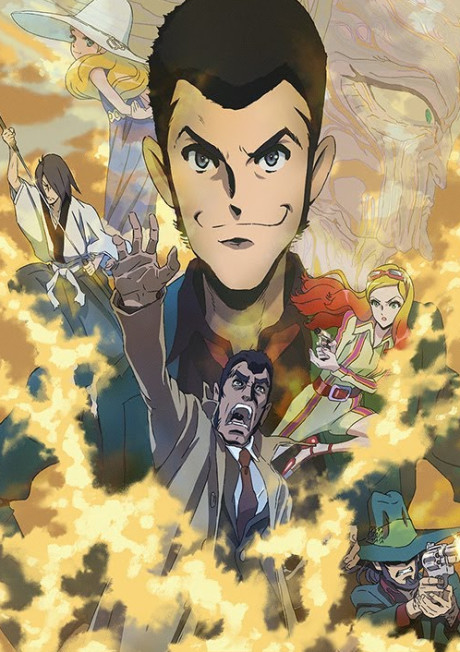
Let’s talk about Lupin the IIIrd now, as one of the festival’s key highlights was bringing Takeshi Koike along to present the grand finale of his Lupin OVA series fans have affectionately dubbed the ‘Koikeverse’.
The first three OVAs were originally shown during the COVID-era online-only Scotland Loves Anime, presenting them alongside The Woman Called Fujiko Mine and The Secret of Mamo. So, this serves as a bit of a long-held promise of getting these on the big screen, with The Immortal Bloodline screening at both Glasgow and Edinburgh, and the rest of the OVAs, including a surprise non-billed appearance of Zenigata and the Two Lupins, finishing off the Edinburgh weekend.
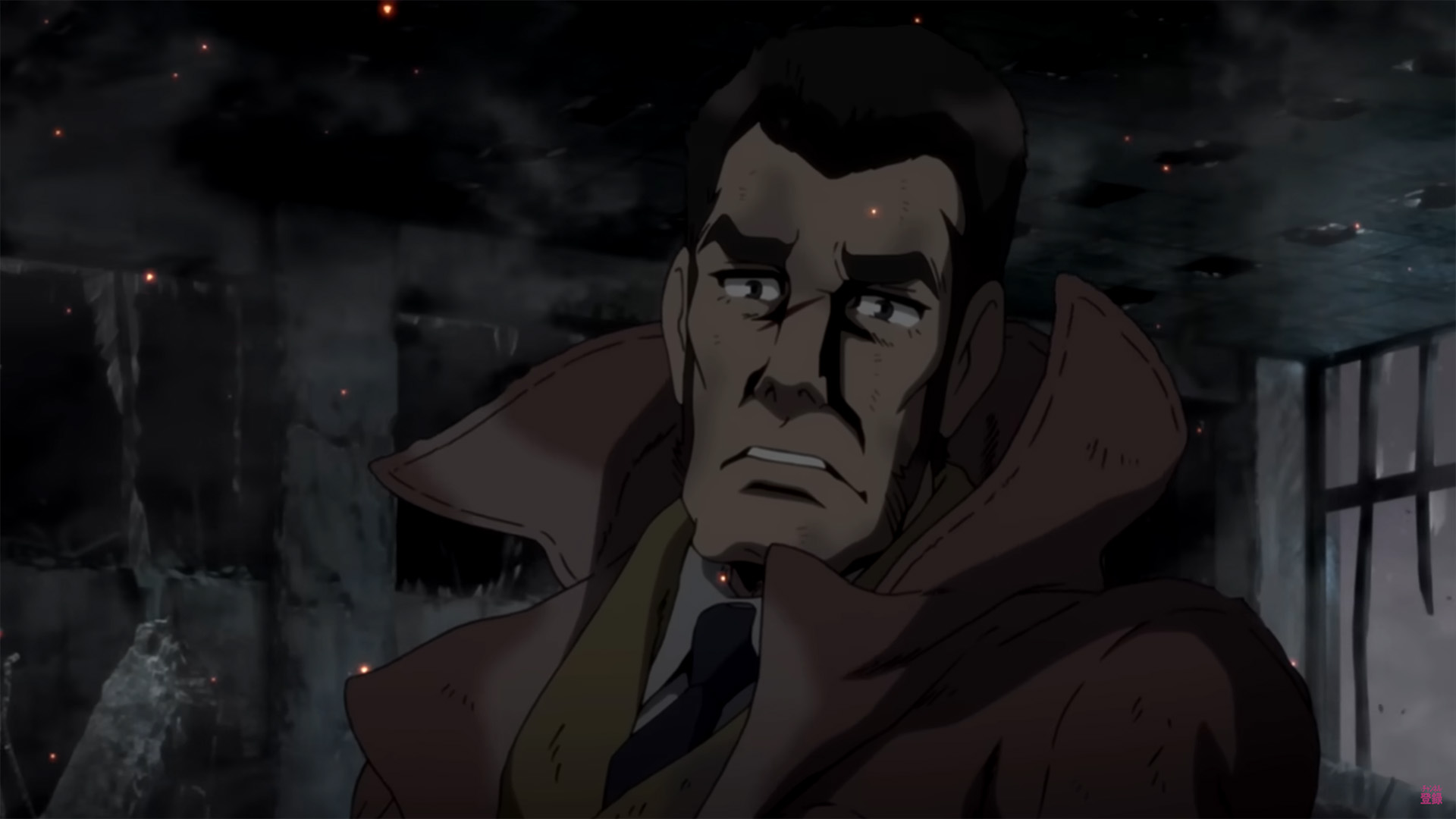
Out of the four OVAs, the first and fourth are definitely the strongest and work really well as hardcore crime capers. Jigen’s Gravestone gives us a thrilling standoff between sniper Yael Okuzaki and Jigen as they try to out-do each other in gunmanship, while there are plenty of cool moments for both Lupin and Fujiko as they try to steal both some jewels and the hitman’s wanted list. Meanwhile, Zenigata and the Two Lupins takes us to Soviet-era Russia where a terrorist posing as Lupin explodes a load of stuff and tries to pin it on the master thief. Perhaps my favourite of the four, this works well as thriller as Zenigata has to try to figure out what is going on, while there is some political commentary that is very relevant to today’s political climate of an aggressive Russian state.
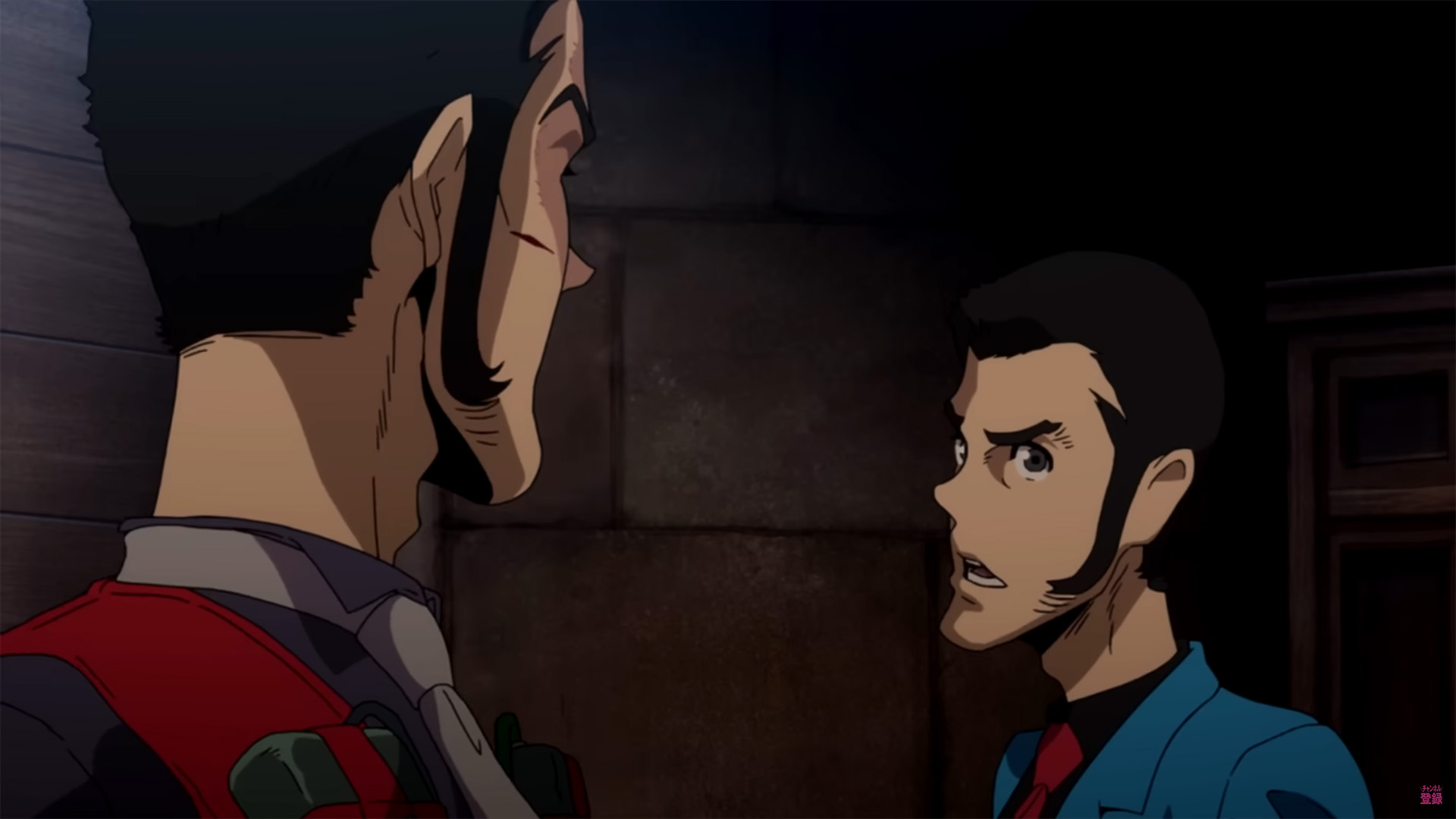
The other two are still good, but don’t have quite as compelling villains to drive the story forward. Hawk is just a big meat-cleaver and likes to chop things up, and as such doesn’t feel like a real rival for Goemon. Meanwhile in Fujiko’s Lie, there’s potentially something to say about Bincam being a slave and how wrong that is, but it ultimately chooses to focus on how everyone wants to get into Fujiko’s pants instead.
Then we finally come to The Immortal Bloodline, the grand finale which sees Lupin’s castle and treasures blown up and the gang invited to a mysterious secret island. Hoping to catch the mastermind behind all the cases they’ve had to face so far, the gang of course poke the obvious trap with a stick and end up in a whole bunch of trouble as all the foes from the previous films have been resurrected and are out for revenge! However, in the shadows lurks Muom, the shady immortal figure behind the incidents, and Sarifa, a creepy little girl who is set on leading Lupin and the gang to their doom.
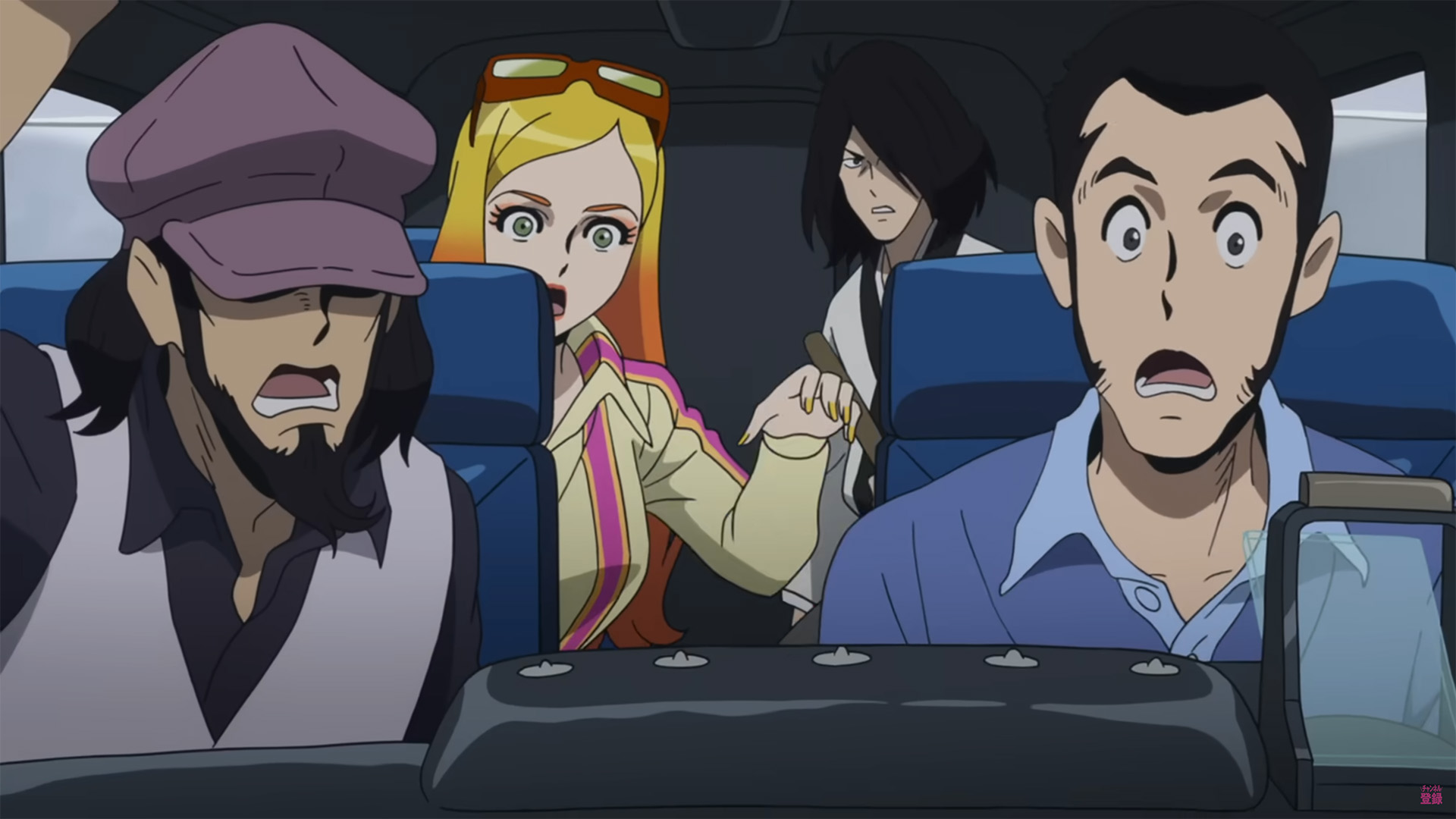
This film has more science fiction and horror elements than other entries in the franchise as it is placed in canon as being a prequel to The Secret of Mamo. We’ve seen Mamo lurking around in the background in the OVAs as we see things like clones and aliens along with the idea of a mysterious organisation controlling the fate of the world, but here things really come full circle.
How much you’ll enjoy this film then comes down to how you like your Lupin. If you like the more grounded hard-boiled crime capers as I do, then you might come out of this feeling a little disappointed as it doesn’t play to those core strengths of the franchise. Instead, this is more of a shonen action-adventure flick that takes inspiration from franchises such as Dragon Ball and Jojo’s Bizarre Adventure.
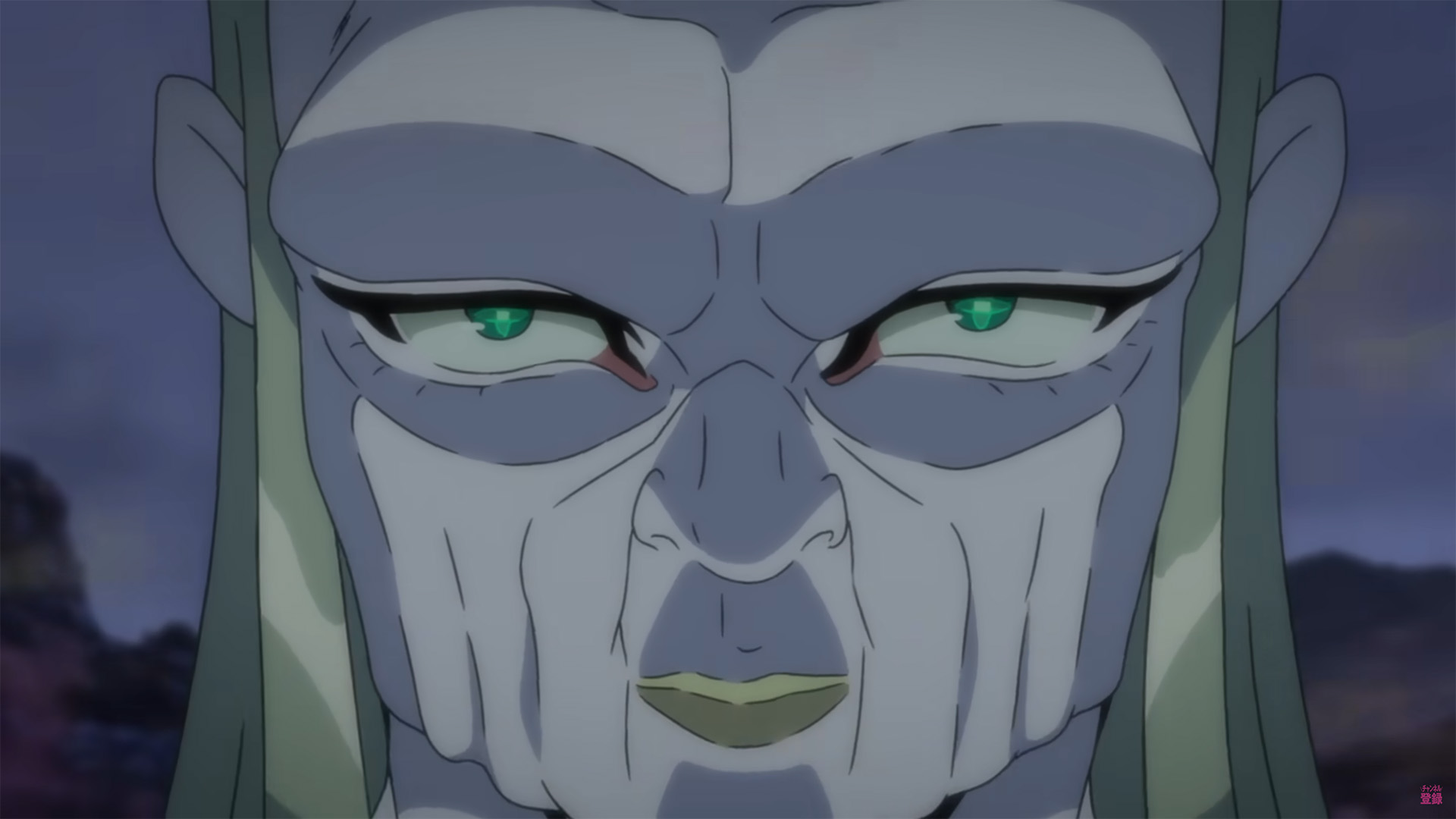
The first third of the film is probably the most engaging as the gang are split up and have to investigate the island but are constantly stalked by their old foes (Okuzaki and Hawk make reappearances here). It’s fun seeing them fight these villains on their home turf as they really give the gang a run for their money, yet as the film moves on and Muom comes into play, it begins to fall back heavily on shonen tropes as we are flung into this Dragon Ball-like battle where Muom goes all out and you can hear the power level meme screaming inside your head.
Despite my reservations, it is still fun to watch and there has been a lot of care and attention given to the film. The fight scenes are incredible and a lot of effort has been put into creating the setting with lush backgrounds that make the island seem both beautiful and terrifying. The music as well is excellent, as it reunites Koike with Redline composer James Shimoji, swapping that film’s hardcore techno for a mixture of rock and dramatic orchestral tones.
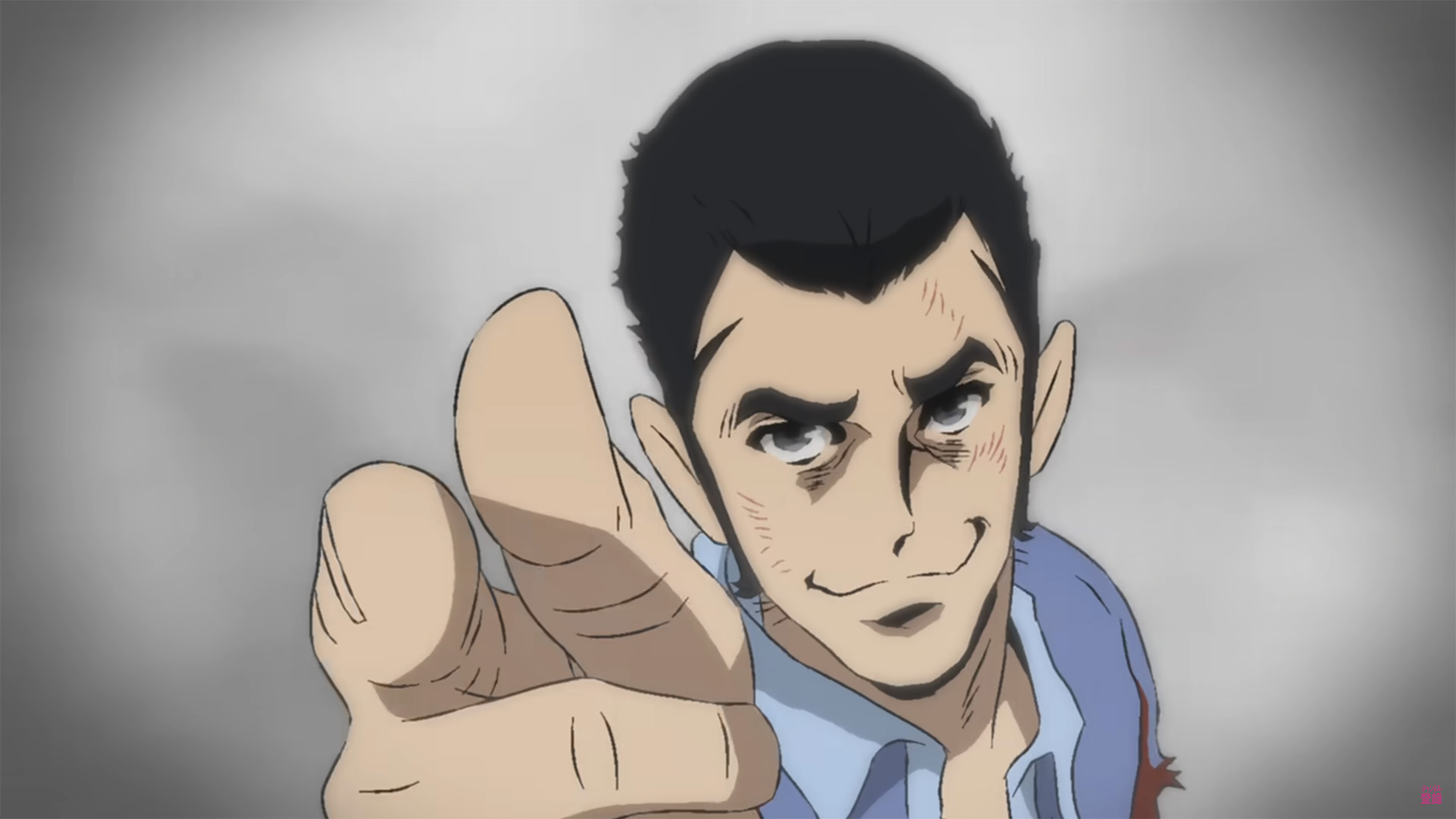
Overall, I think this is still a good film even if it lacks presence in the rest of the core Lupin franchise and doesn’t have those cheeky thievery moments that we know and love. It looks and sounds great and has plenty of tense battles that push most of the cast to their limits. I just think that if you’re a more casual viewer, the heavy emphasis on the sci-fi elements and it essentially being a way to retroactively set up The Secret of Mamo may make it a little harder to get into.
Best of the Rest
Finally, we just wanted to touch on some of the other highlights of the festival.
Onosume
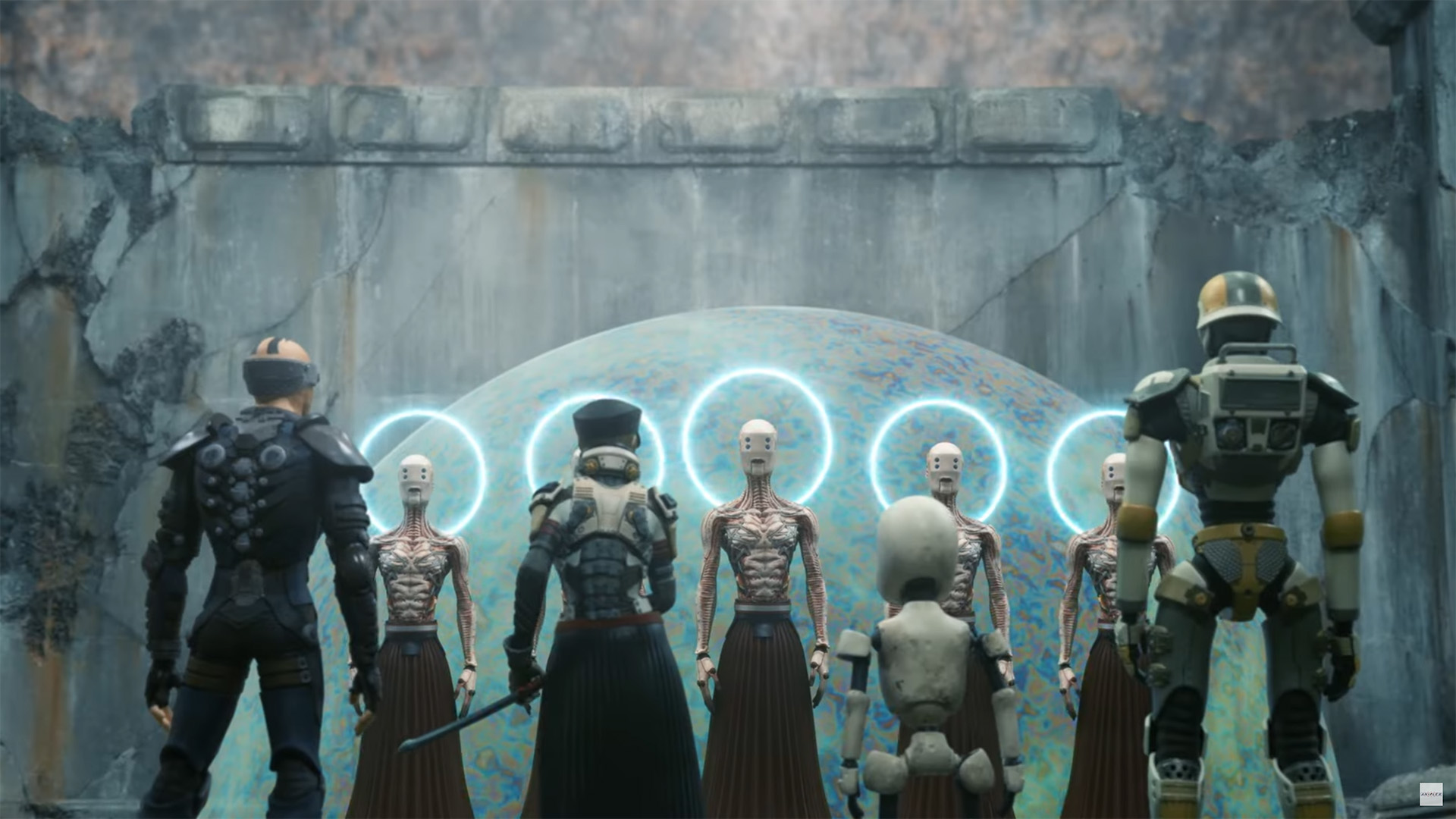
I had the opportunity to check out JUNK WORLD when I was in Japan earlier this year, and I enjoyed it a lot and really hoped it would be here. So of course, I was absolutely ecstatic when it was announced in the line-up. The film serves as a loose, standalone prequel to JUNK HEAD, building out the lore of that film’s world and telling the story of how the titular head came to be where it was. Pairing amazing looking, hand-crafted stop-motion animation with an off-the-wall script, JUNK WORLD is an absolute delight that constantly has you on the edge of your seat with both tension and bemusement as you see an oddball cast of characters journey across a post-apocalyptic Earth that’s mutating into something else. This was my third favourite film of the festival and one that surprisingly went down well with the rest of the crowd too! If you do get a chance to see it, please give it a go as I cannot recommend it enough!

Staying on the barmy train, the other film to highlight is Shoji Kawamori’s Labyrinth. While I’d hesitate to call this a good film from a technical or story standpoint because frankly it’s a mess in both areas; this film comes out swinging in such sheer absurdity that you cannot help but be entertained. The story itself is a cautionary tale about how we are too dependent on online validation from others and how that pressure affects mental health, but that core message is buried under the idea of your online personality coming to life and swapping places with you and wreaking havoc in the process. With a silly villain, teen angst, mecha battles, plenty of cameos and odes to VTubers and idols (with a catchy musical number to boot) Kawamori throws everything and the kitchen sink into this film and somehow makes everything stick with a pretty great ending. This is another one where I have to recommend it because there simply isn’t anything else quite like it.
Verdict
Overall, while there have been stronger line-ups previously, this year’s Scotland Loves Anime had a couple of standout hits alongside a wide variety of other films where there really was something for everyone. While not everything was perfect, with scheduling issues making films difficult to book and perhaps the way the curated section of the festival was handled, Scotland Loves Anime remains a great event to attend to both see anime films you might not get a chance to otherwise and have a blast with friends. If you’re reading this and haven’t been to one yet, definitely make plans to come along next year as it’s one of the highlights of the UK anime fandom calendar!