Spring 2026 Overview
Suddenly, it’s officially summer and the Spring Season is coming to an end. More or less. Did we find any more unexpected treasures to recommend? Did our hotly anticipated series last the course or run out of steam (and animation budget) halfway through? At least Netflix eventually began to stream Akane-Banashi, one episode a week (like The Ramparts of Ice) so we’re catching up…
Agents of the Four Seasons
My Ribdiculous Reincarnation
Nippon Sangoku
Liar Game
MARRIAGETOXIN
A Hundred Scenes of Awajima
Ace of the Diamond Act II Second Season
DR STONE SCIENCE FUTURE Part 3
Classroom of the Elite 4th Season: First Semester
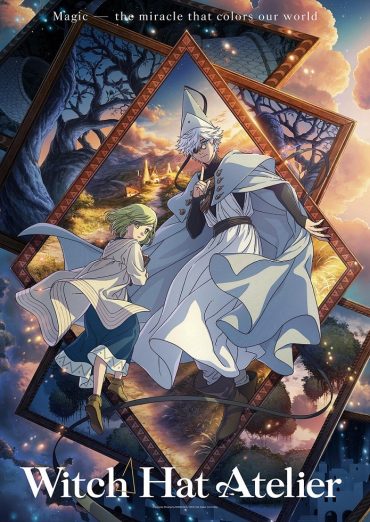
Witch Hat Atelier
Go For It, Nakamura-kun!!
The Ramparts of Ice
Daemons of the Shadow Realm
One Piece
Demelza

When I sat down to write my piece for the Spring Preview, there was no doubt that Agents of the Four Seasons was both my most hotly anticipated show this season and also the one I was enjoying the most as the weeks went on. I think ultimately the best of the season and perhaps even the show of the year will remain true for me when it comes to this one, but we’ve certainly faced some setbacks as time has passed!
At the start I was feeling optimistic about this adaptation. The team at WIT Studio had 14 episodes to work with and just two books to cover since they chose to adapt only the Dance of Spring arc. And on paper, that sounds perfect, but as the show went on, the team started moving around parts of the story and adding things here and there to the point where the conclusion has ended up feeling rushed.
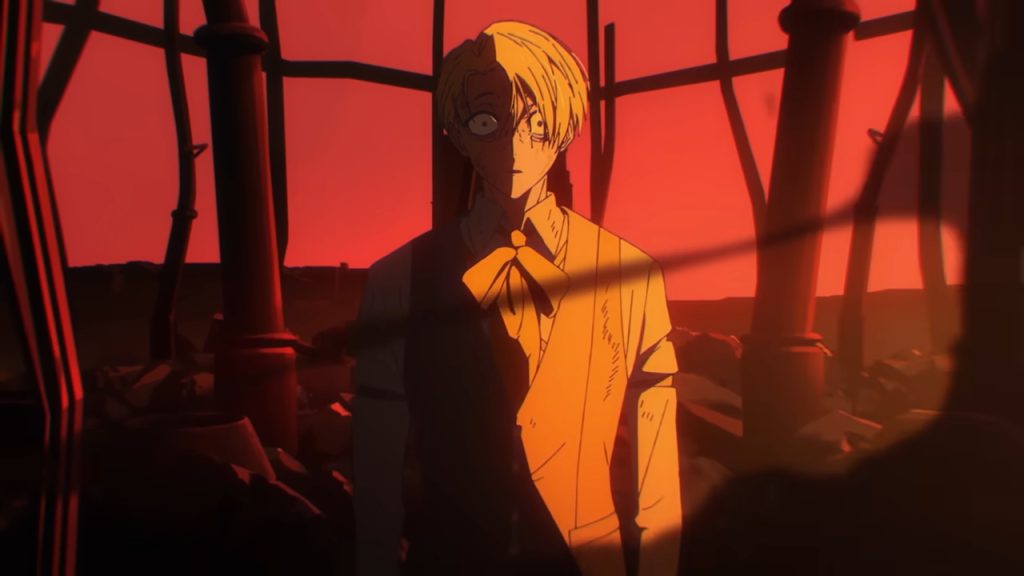
Now don’t get me wrong. This has still been a highly emotional and engrossing watch, but moving around content also meant focusing more heavily on Sakura’s and Hinagiku’s trauma. And that feels stifling at points, in a way the original work doesn’t. And then when a pivotal turning point occurs where the Agent of Autumn’s home comes under attack, it feels like the team doesn’t capitalise on showing us Autumn and her guard’s story. And to me, it is a huge shame, especially if the anime continues on and adapts further books later. All of the Agents and their guards are important to the story, and Autumn’s all the more here since it’s so similar to what happened to Hinagiku and Sakura’s childhood incident.
But a lot of the changes did work for the better, so it’s hard to complain too much. This has still been an incredible adaptation of a difficult subject matter. And I know I sound negative, given I’m picking at the flaws, but believe me when I say this is still the show I have looked forward to and enjoyed the most this season. I joke with friends that it’s a weekly slice of trauma for the viewer because it will often leave you in pieces emotionally, but as long as you’re prepared for that going in, this is highly recommended by me. Of course, it won’t be for everyone due to the nature of the story and its laser focus on so many triggering topics, but I’m sure it will find its audience all the same. I hope it will continue with further seasons and be brought to life with as much love as we’ve seen go into the Dance of Spring arc.
I picked up My Ribdiculous Reincarnation, thinking it would be another one of your average isekai shows, which, of course, is fine with me, as I am quite into the genre. However, this one was nothing like I expected and quickly presented itself as a real labour of love from Studio Qzil.la and S.o.K.
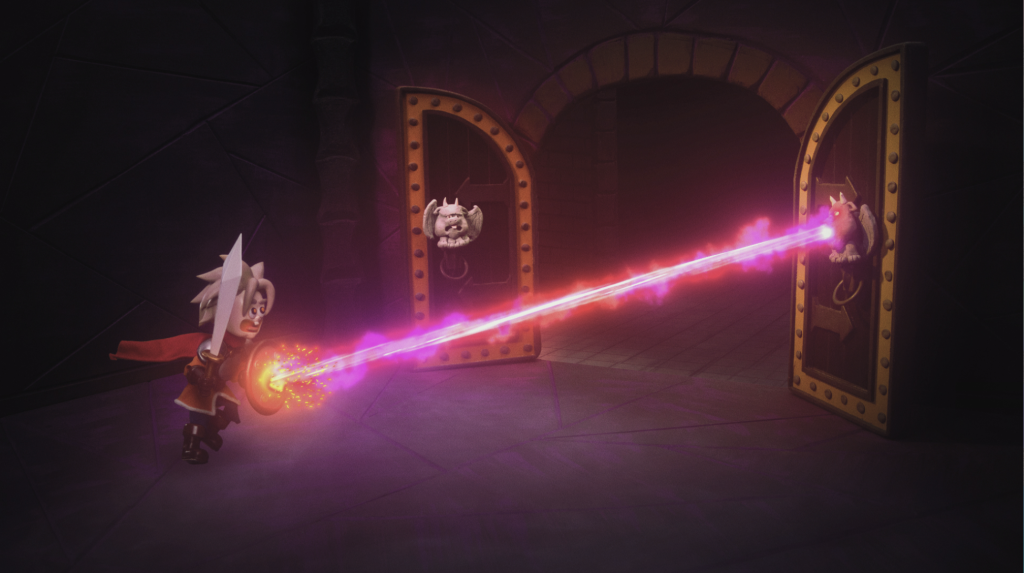
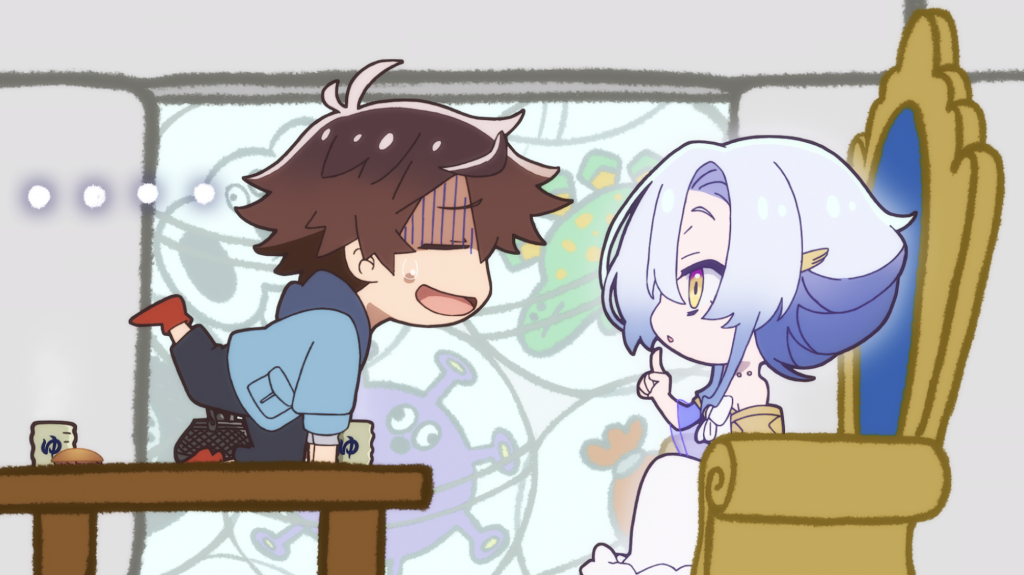
The story starts in a similar way to most isekai series. An unnamed protagonist meets an untimely end and finds himself faced with a goddess who helps guide people into their next lives. However, this particular goddess is quite lazy, and our protagonist’s aspirations for his next life are quite lavish. On top of that, waiting lists for ‘good’ reincarnations, such as becoming a hero with a harem or a demon lord of another world, have an extremely long waiting list of around 50,000 years. So instead of staying in limbo, he decides to try out less sought-after lives (selected at random thanks to a helpful nearby orb dispenser), such as becoming a hero’s rib! Unfortunately, these lives just don’t satisfy his soul, and before long, he’s back in front of the same goddess, looking to reincarnate as something else. But he always has an absurd story to tell about his life first and the goddess finds herself increasingly curious about his tales…
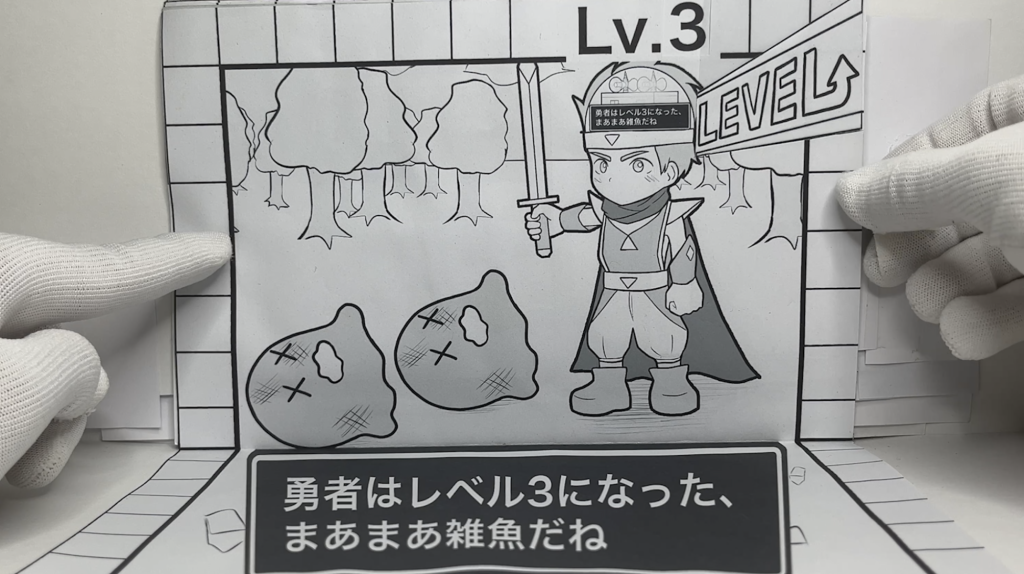
So this was a very strong comedy series from the off, but what made it even more interesting was the fact that every world our protagonist was reincarnated into was depicted in a different visual style. And that wasn’t just down to character designs, but sometimes the story was handled in live action or with paper crafts or clay models. There was a huge variety, and it was absolutely fascinating to see. The production of this show must have been intense, given the amount of visual components they were trying to fit in, but it pays off since this ensures My Ribdiculous Reincarnation will be remembered for a long time to come. The ending theme “Nan-nan Desu ka?” by shallm was also incredibly catchy…
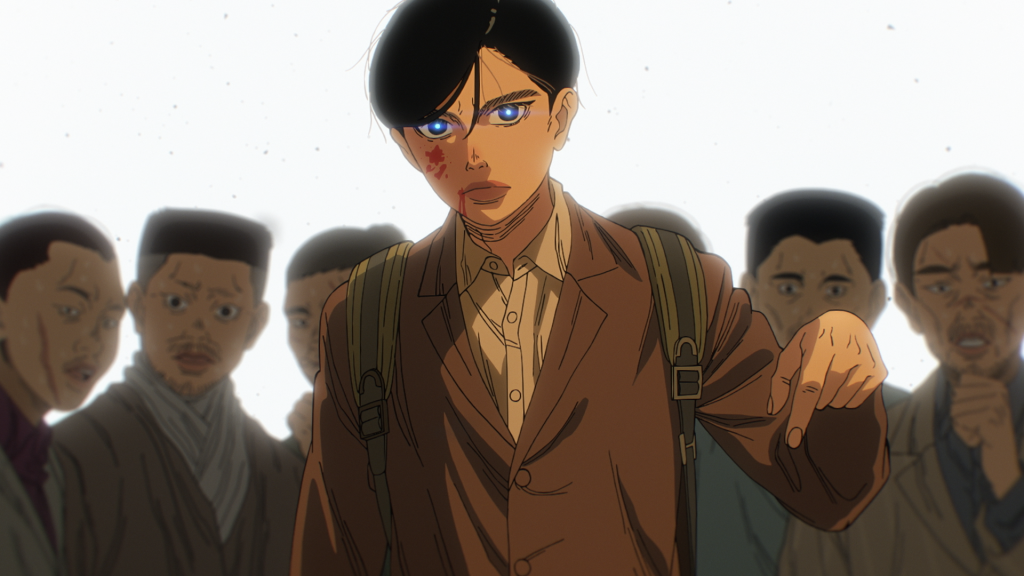
Another surprise hit for me this season was undoubtedly Nippon Sangoku, which I think has flown under the radar primarily due to being stuck on Amazon Prime Video. This is a post-apocalyptic setting taking place at the end of the Reiwa era where Japan has been hit by the effects of a worldwide nuclear war and several other large-scale disasters. This has led the country to revert to the Meiji era and divide into three kingdoms.
Our protagonist is Aoteru Misumi, who sets out to change the country for the better after his wife ends up being ruthlessly murdered by the existing government. On his journey he meets Yoshitsuna Asama, an egocentric young man who comes from a prestigious clan and wants to make his way up the chain into a better position. Together these two opposites work together to achieve their desires.
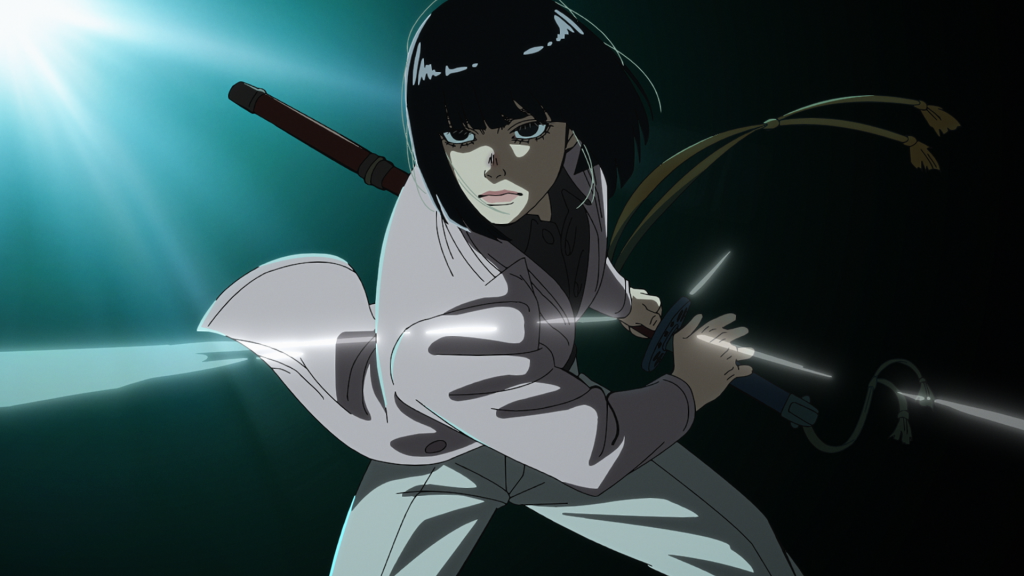
This is a war story so there’s plenty of blood and gore, but rather than a dark and gritty atmosphere Studio Kafka has presented us with an incredibly stylish series that is captivating to watch. There are a lot of good comedy moments between Aoteru and Yoshitsune (played by Kensho Ono and Jun Fukuyama, who are a formidable pairing!), but it’s not overly silly. The series takes itself seriously, and the battles are impressive (especially backed with music by Kevin Penkin).
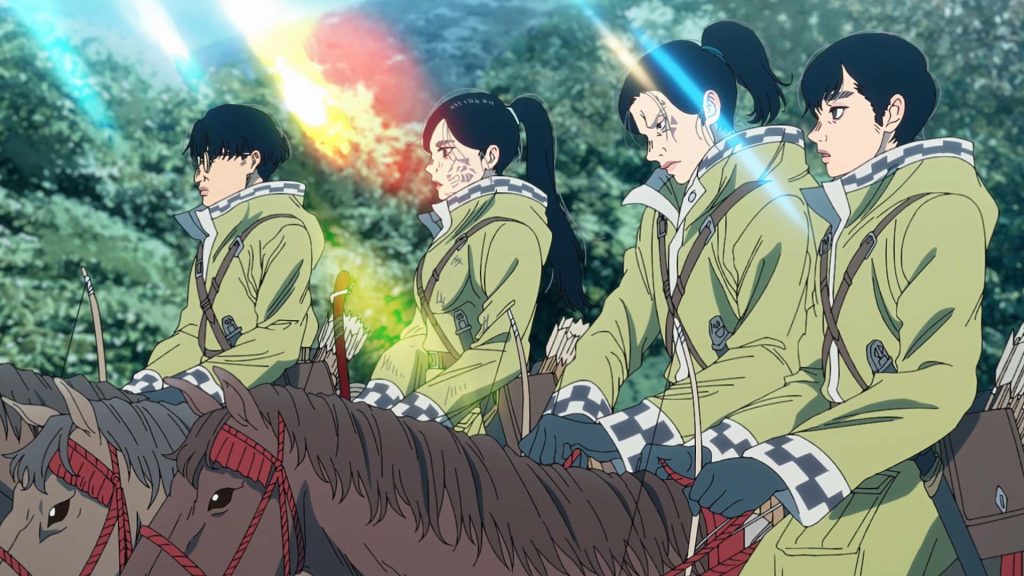
This is based on an ongoing manga series by Ikka Matsuki, but the anime finds a reasonably good point to conclude Season 1. There are rumours of a second season being in production, but there’s no official announcement of such currently. I hope it does come back, but even if it doesn’t, I’d still highly recommend this for those of you interested in the genre.
Agents of the Four Seasons and My Ribdiculous Reincarnation are available on Crunchyroll, while Nippon Sangoku is on Amazon Prime Video.
Onosume
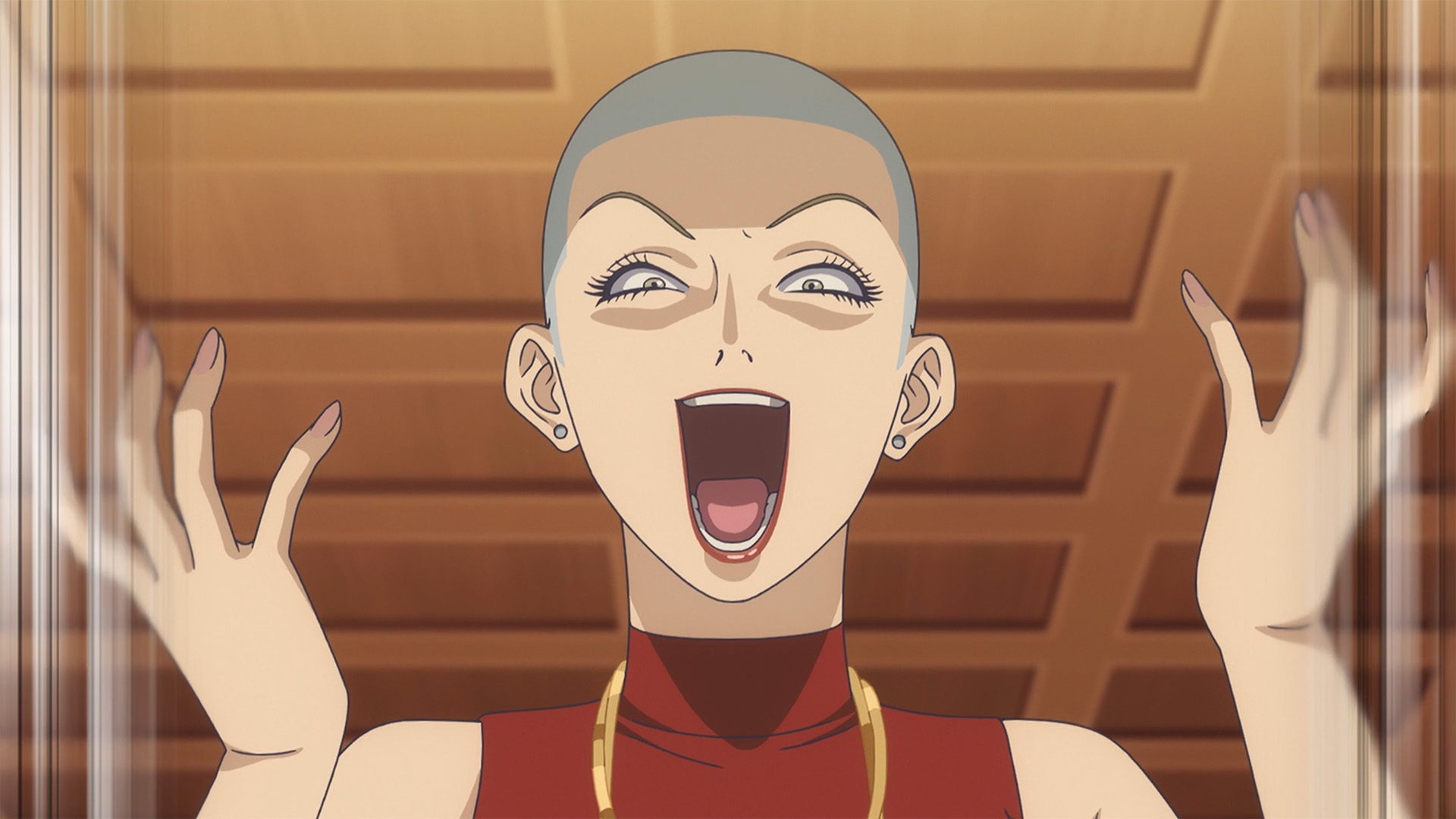
I’ve got to be honest, Liar Game has been a bit of a struggle to get through despite its initial potential due to how its main character, Nao Kanzaki, has been portrayed. While she is thrust into a lion’s den of corruption and people backstabbing each other to come away with the game’s prize money, instead of rising to the challenge she just sits there and cries a lot, relying on ex-con Shinichi to pull her through the games.
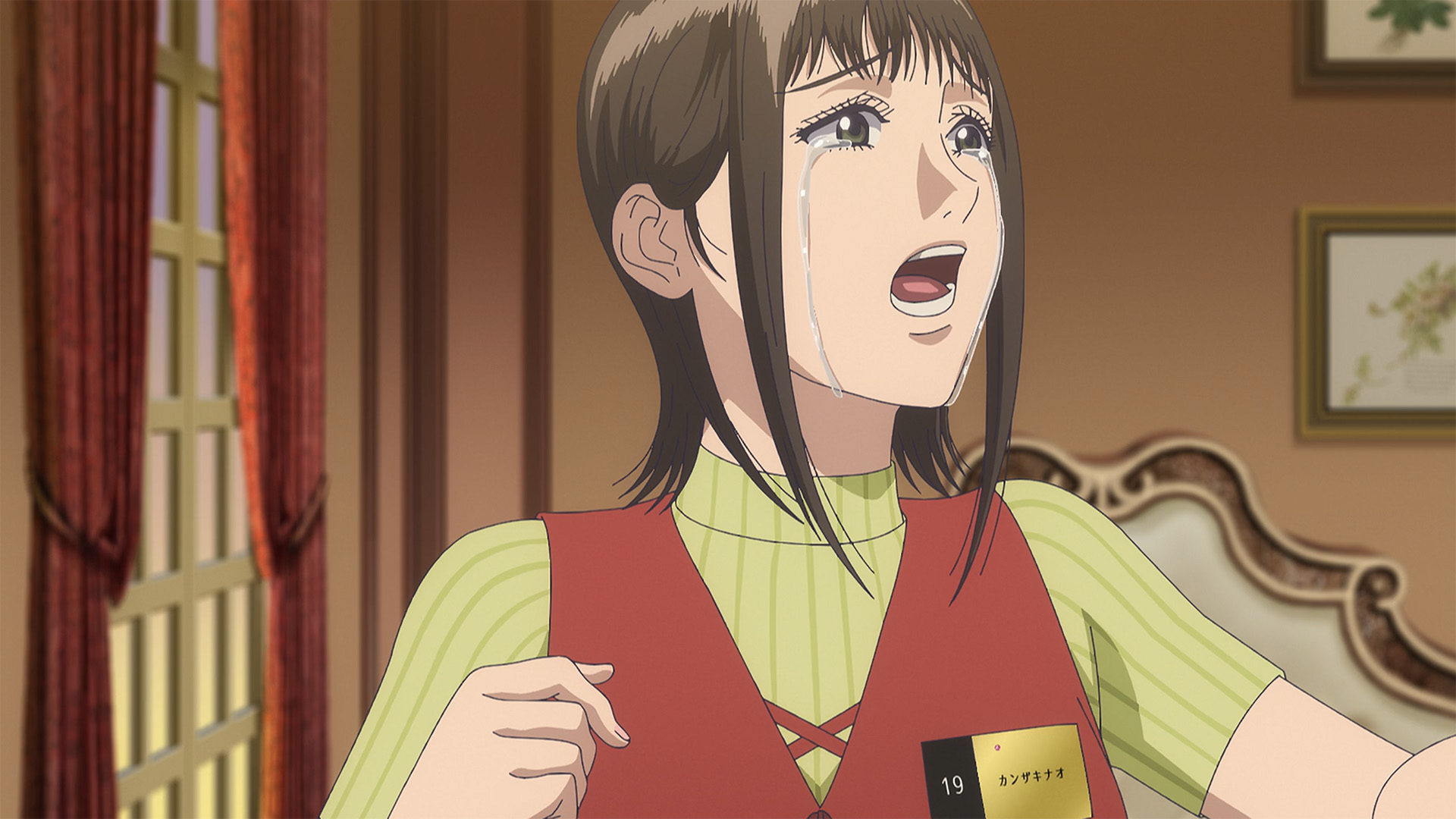
There is sort of a point to this, but what’s most disappointing is that we see her start to come on strong at the end of this opening arc, where she actually comes up with the idea of saving people from the game. You see, the potential for her character has always been there, as there are moments throughout where she’s empathetically connecting with the other players, but it’s just far too often where she has these breakdowns where she loses her self-drive.
This makes the series very frustrating to watch because you as a viewer know she can play the game, but the show gives all the key moments to Shinichi as it feels like the show itself doesn’t believe she’s capable of driving the series forward.
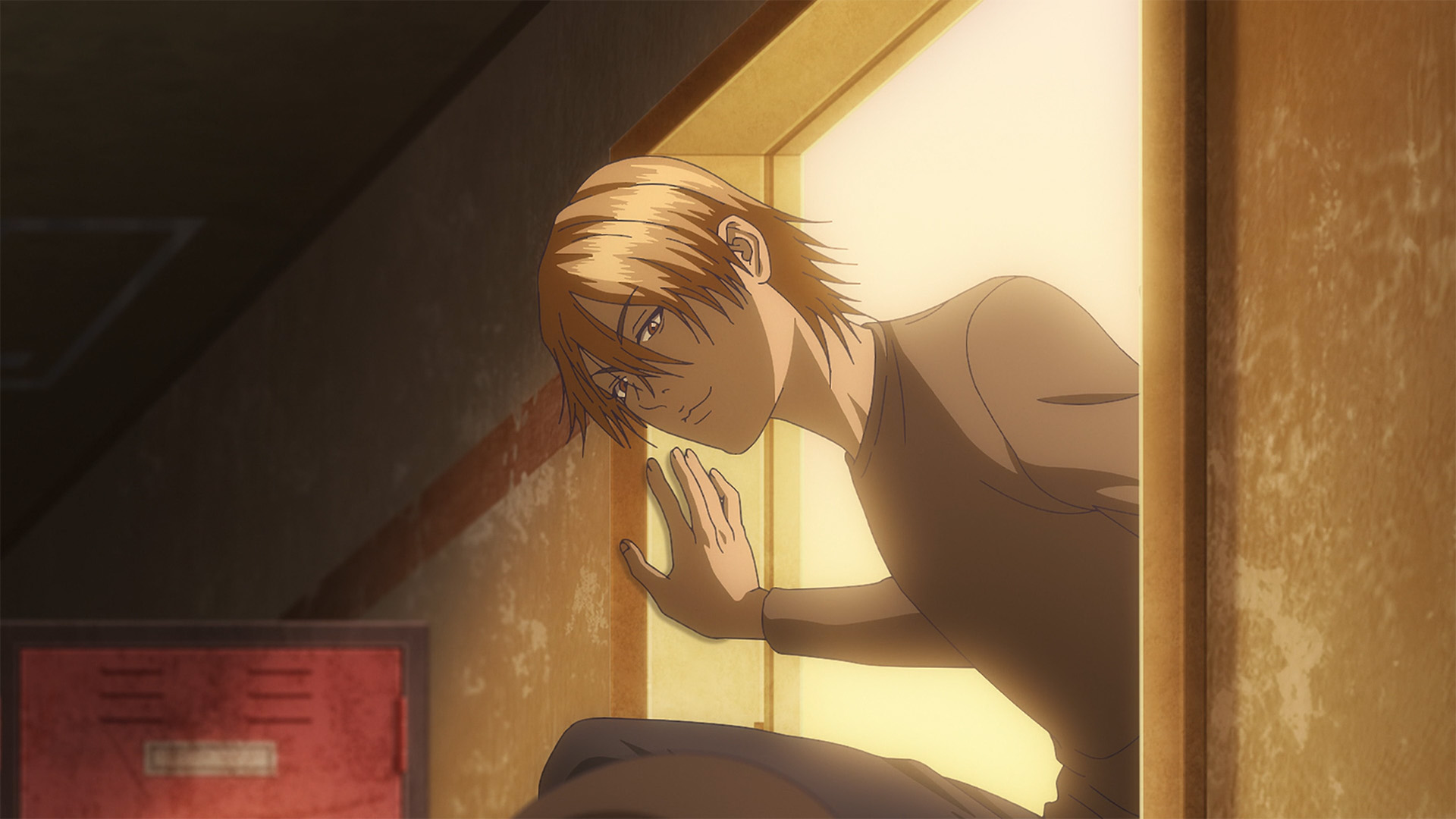
It’s a shame because the games that form part of the Liar Game are pretty fascinating and are pretty much all about social manipulation. The first round, seeing two players try to steal each other’s money, gets very personal when the people involved know each other. The second round takes a large group of players and has one of them ask a question that can only be answered with yes or no; and it’s the minority answer that wins. Then there’s a comeback round where you’re buying and selling votes but it’s only the player with the least votes that gets chucked out the game. There is some sense of certainty that Nao is going to pull through; they aren’t going to ditch their main character after all, but the way each game plays out is unpredictable, and there’s a thrill in seeing Nao and Shinichi come back from insurmountable odds.
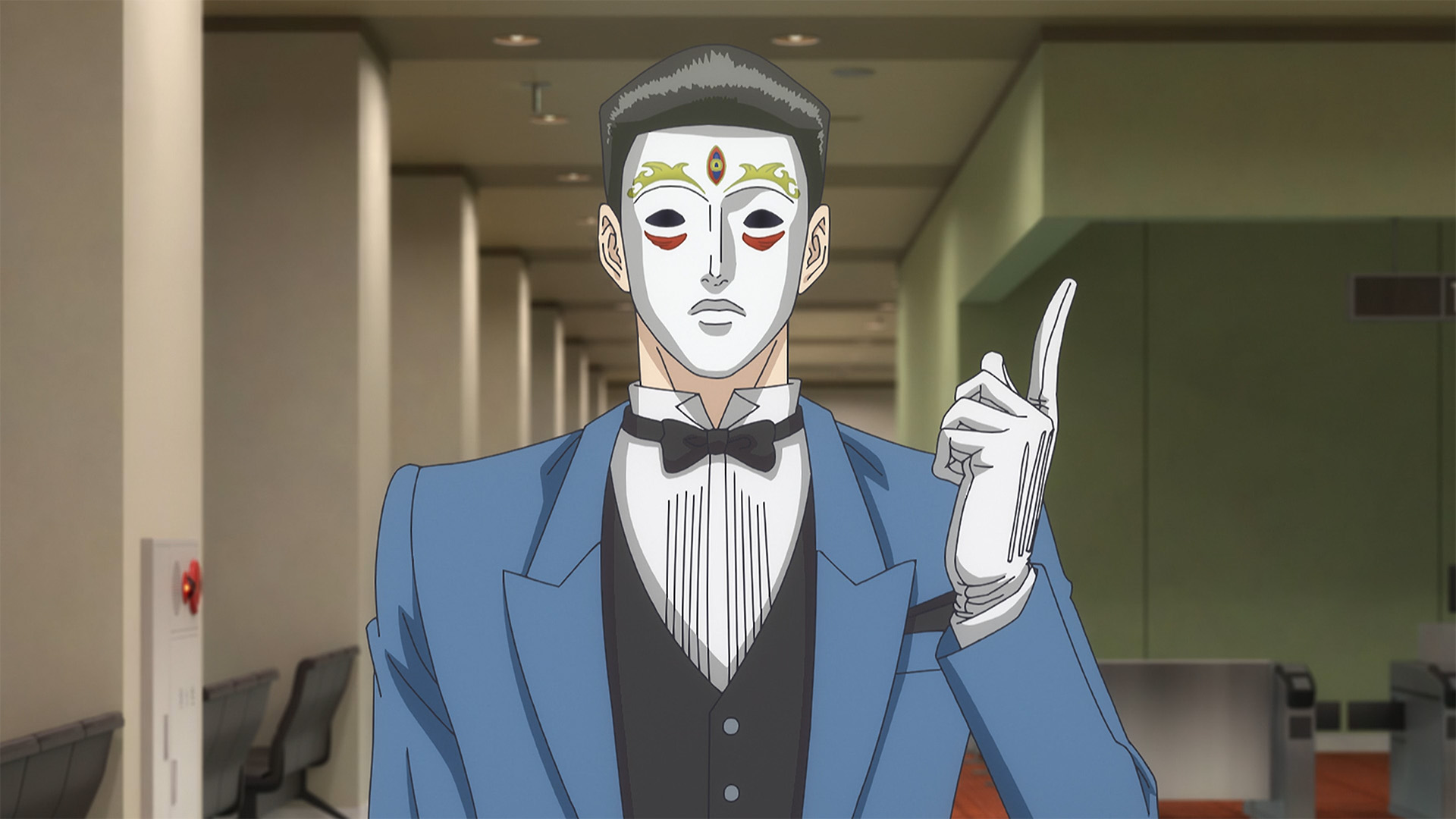
My overall impression then is that this may be one to stick with in the long term. This season basically is entirely set up for how the rest of the series is going to work, but it’s just slightly awkward and frustrating in the way that it does it. If we can see Nao actually acting on her own and using her head more often then this definitely has some potential; but it will squander that if it keeps relying on Shinichi to provide all the answers.
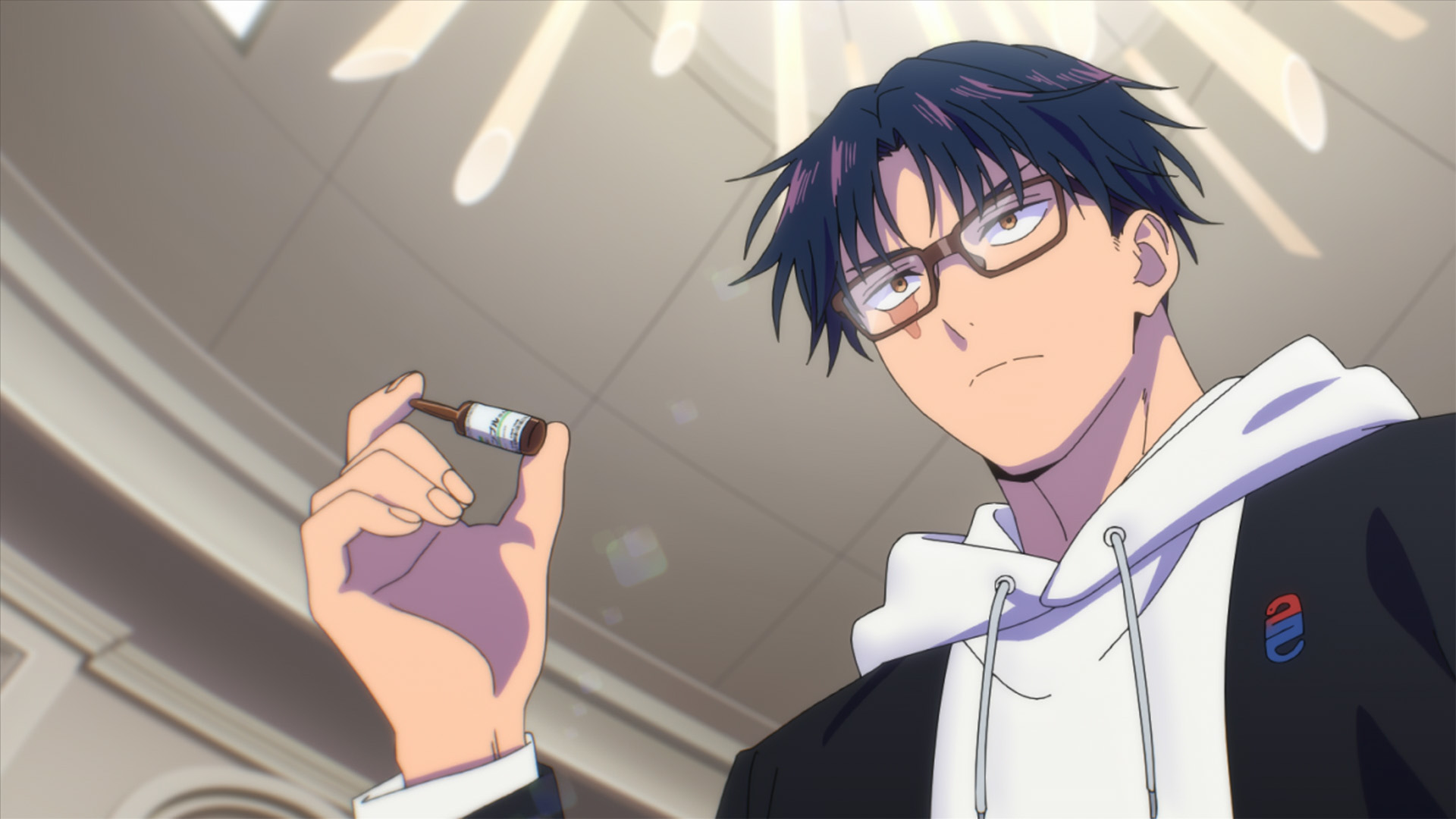
If you fancy a cool new shonen battle show, then I’d like to recommend to you MARRIAGETOXIN. The setup is that there are these five great clans who have mastered special abilities after continuously passing them down and evolving them from parent to child through the ages. The heir to the poison clan, Hikaru Gero, is in a bit of a tight spot because he’s unmarried and childless, so the head of the clan gives him an ultimatum: marry and produce an heir, or his sister will be forced to do so instead. Yet his next job gives him a potential solution as his target is the crossdressing professional marriage swindler Mei Kinosaki. Instead of killing them, Hikaru decides to recruit them as his matchmaker, who encourages him to take up bodyguard jobs in order to potentially romance the women that he saves.
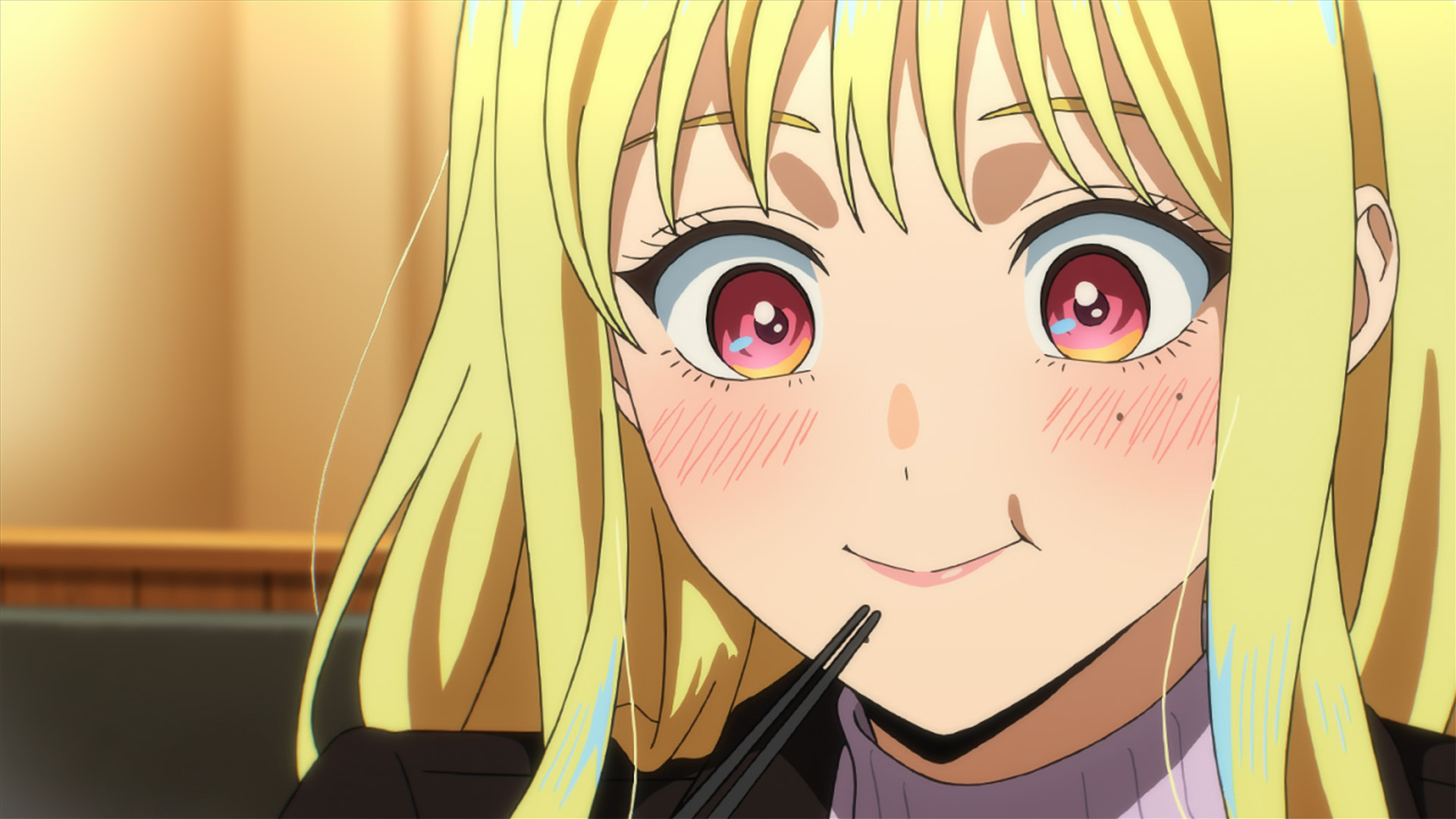
It’s a bit of a ludicrous premise that sounds like a really awkward setup for a harem show (which it isn’t!), but this has got a lot more heart behind it than you would think. The key thing is that Hikaru has always used his powers for good, only taking on assassination jobs where it’s clear the target is up to no good. So, while it could be said it’s easy for him to take advantage of the women he saves, he’s actually more interested in being the good guy, so he doesn’t force the issue.
This puts the show itself in an interesting spot because it often doesn’t care about its twist. For the most part, this is just a cool shonen battle show where people with weird powers face off against each other. Does it then have enough to sustain itself long-term? Honestly, it’s hard to say, but I’ve certainly not fallen off it like I have done with some other shonen shows of late.
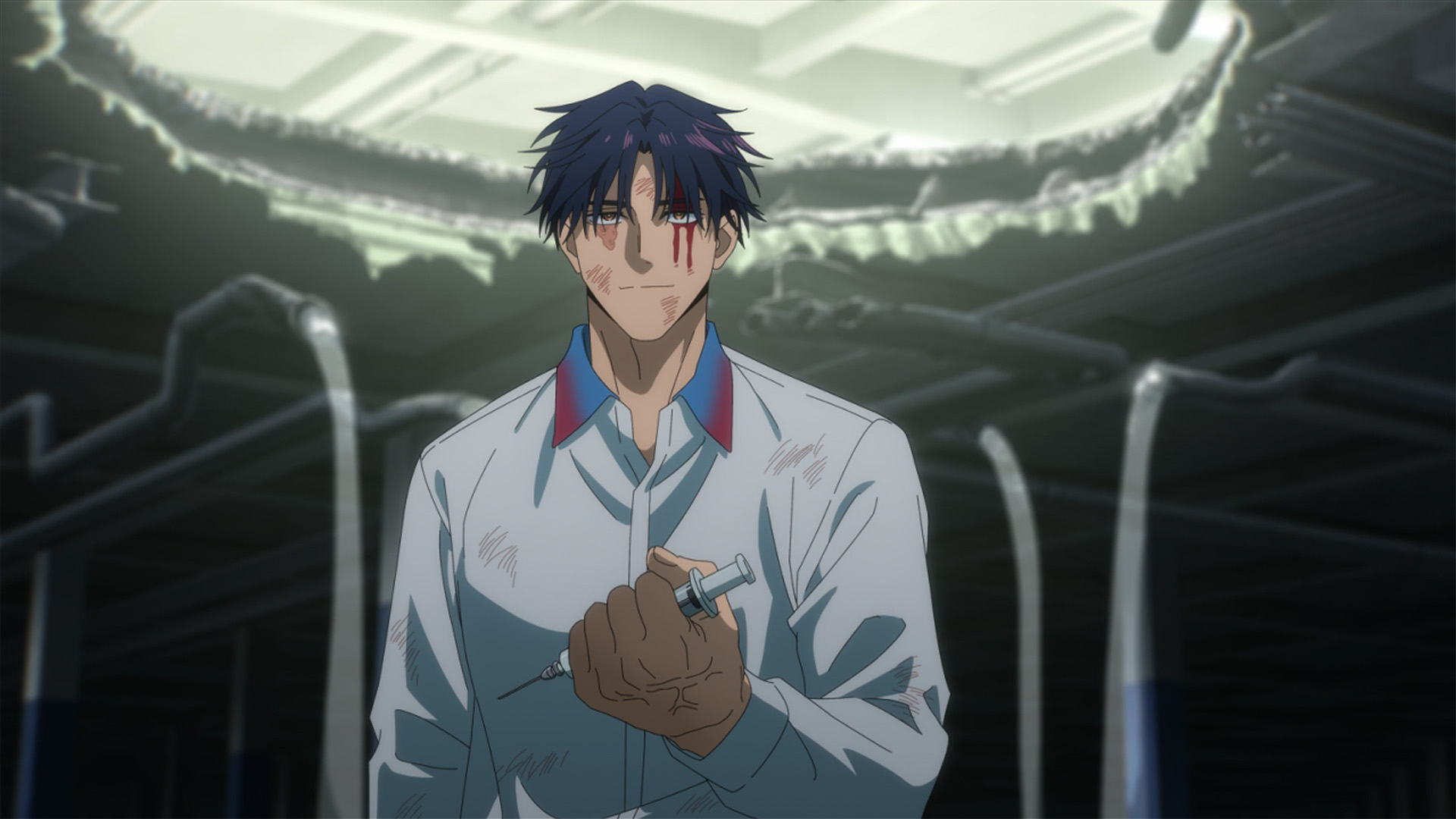
So far though I’ve enjoyed it. It has a cool concept that’s a little bit different; the battles are fun to watch and well animated, and it’s got an absolute banger of an opening (“Kill or Kiss” by former Keyakizaka46 idol Yurina Hirate). Potentially your mileage may vary, but I’d say give it a go if you’re after something new for your typical shonen battle anime format!
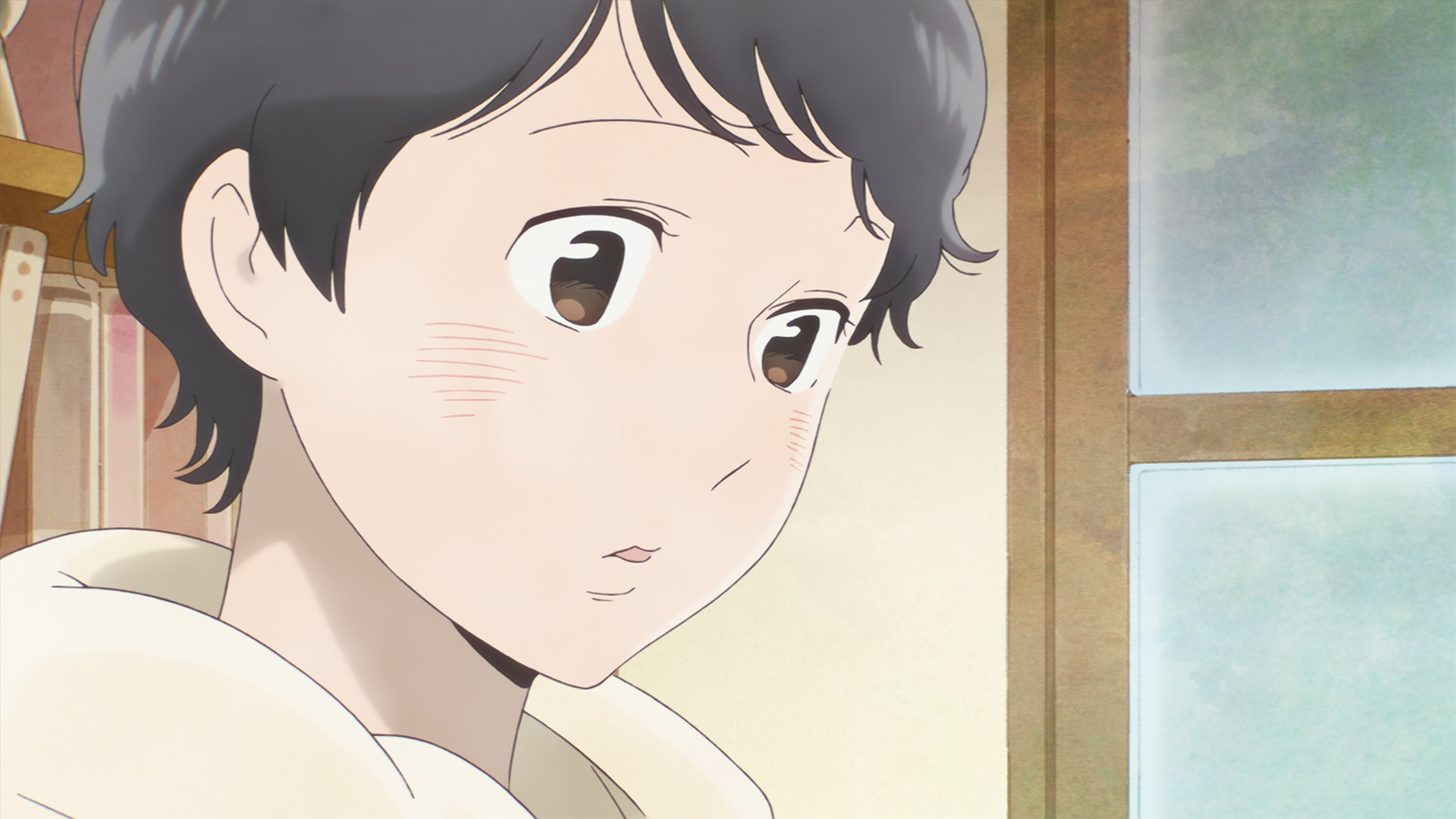
A Hundred Scenes of Awajima absolutely nails the context of this category because it comes out of nowhere to be one of my favourite shows of the Spring season.
Like a lot of Takako Shimura’s other work, Awajima excels at heartfelt and emotive storytelling. It puts in front of you a set of what seem isolated incidents on the surface, but over the course of the series these are carefully latticed together to create a striking image of the performing arts school the series is set at.
A lot of the time these incidents sit in the background while the main story is structured around character vignettes that explore the lives, feelings and careers of those that are attending, or have attended the school. The way these are structured can make the series difficult to follow, as while there is a common cast you don’t see them in a linear fashion. Instead, it chops and changes through different viewpoints, timelines and across different family members and connections in order to ultimately expose how much of a cut-throat and competitive world performing arts is.
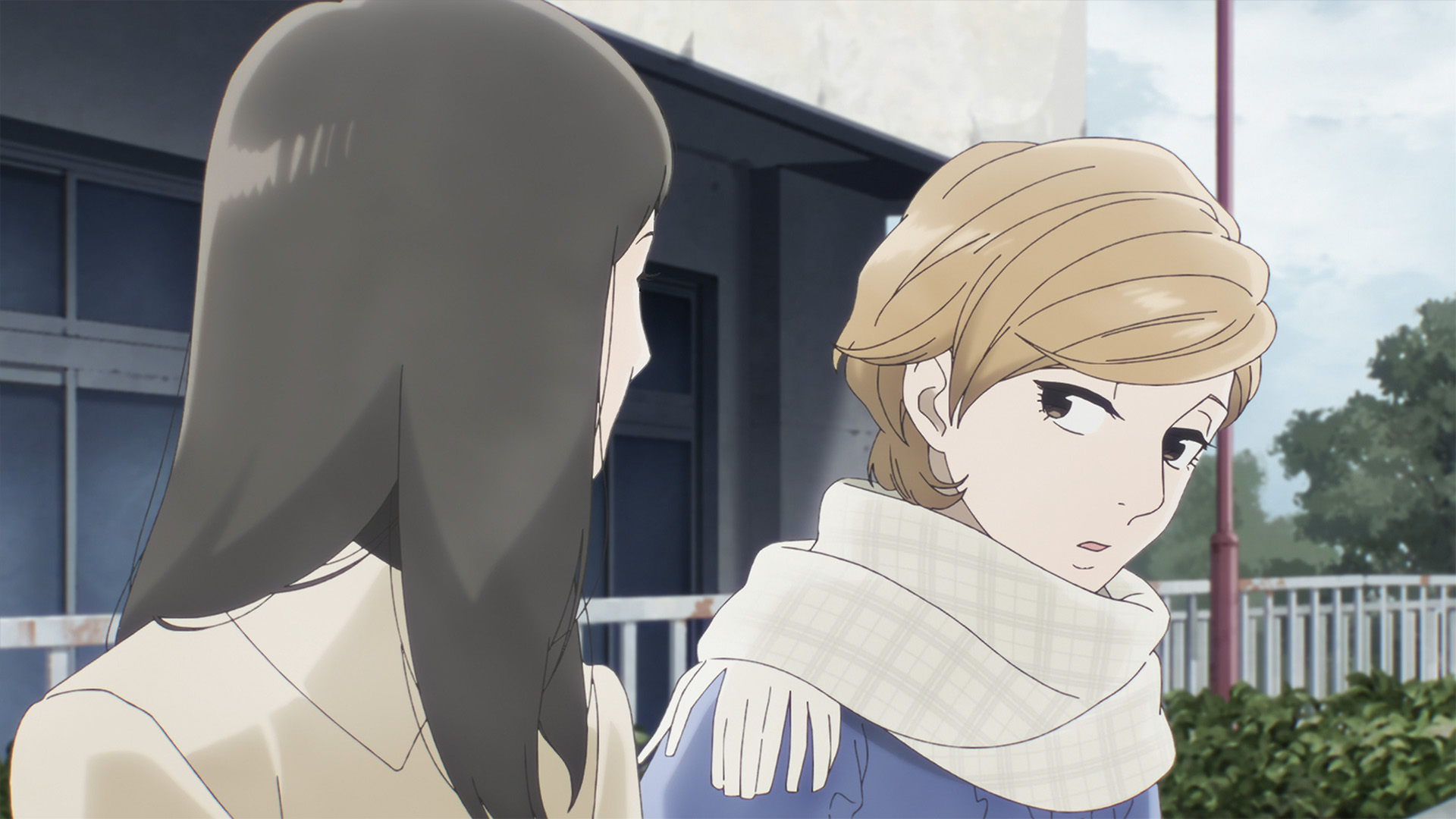
Whether you like this comes down to whether you can vibe with this non-linear style of storytelling, as it requires some level of thought and understanding to really get a sense of what is going on. But if you do, this is a massively rewarding series that can really connect with you emotionally. For anyone who has sacrificed themselves for a dream or not being able to make it, I’ll guarantee that you’ll find someone in the cast that resonates with you.
It’s also a really interesting way of doing things because it somehow makes the school the main character, while the people within it are imprinted with its varied history and the stories it has to tell. This climaxes in the girl we see entering the school in the first episode, Tabata Wakana, creating a book about the school’s incidents when she is an adult. It never forgets the people behind those stories though and seeing how it resolves regrets and bad past decisions leaves you feeling very cathartic at the end.
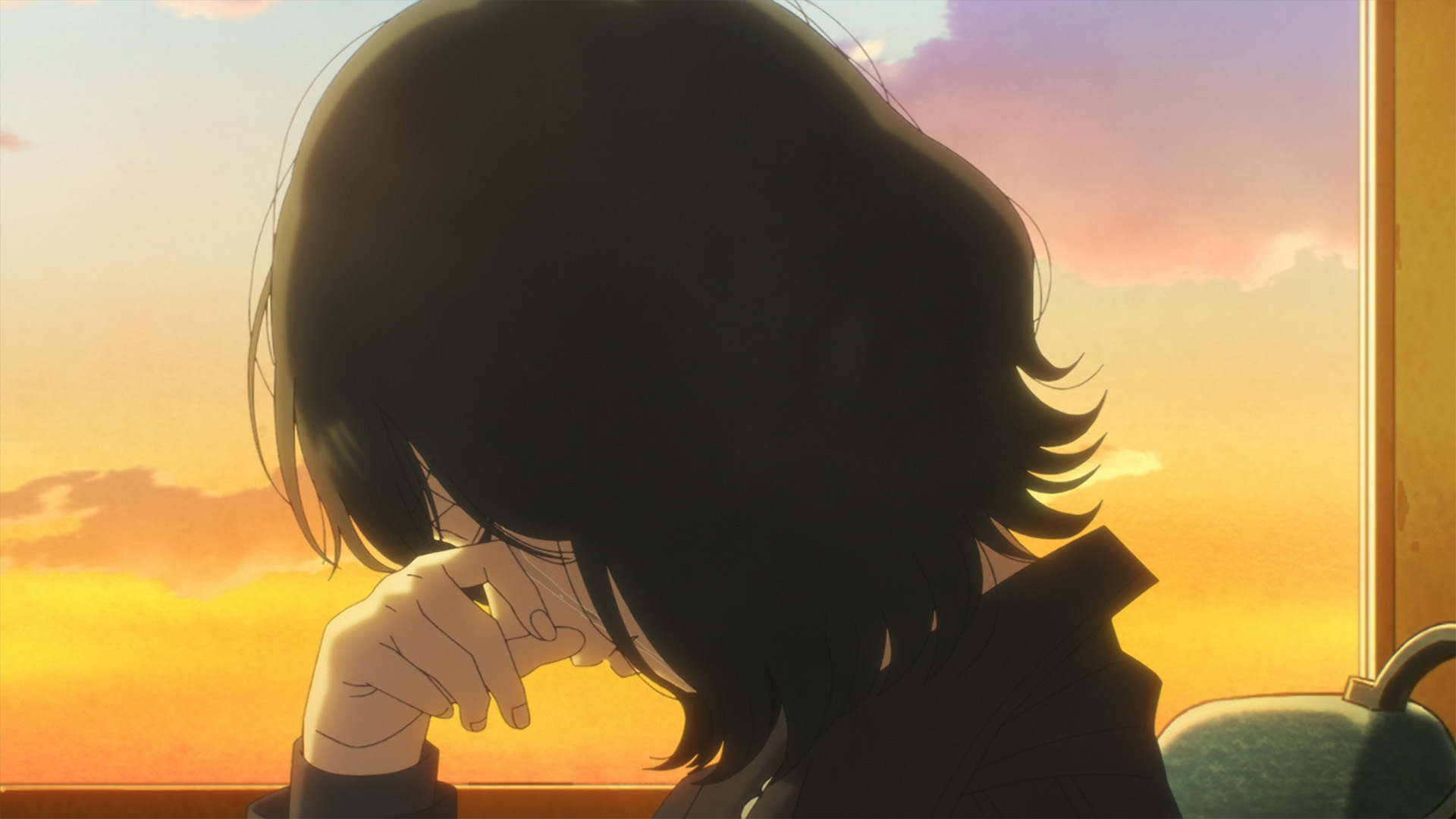
Overall then, this is a show I’d highly recommend. It can take a bit of patience and thought to understand where it’s going, but if you stick with it, it becomes a tender, emotive and highly rewarding series to watch.
Liar Game, MARRIAGETOXIN, and A Hundred Scenes of Awajima are all available to stream on Crunchyroll.
HWR
The Spring season turned out to be another anime season packed to the brim with continuations, with just two new anime finding a spot in my roster for the season.
Hotly Anticipated/Returning Champions
Ace of the Diamond Act II Second Season whilst still not an anime title that rolls off the tongue, has certainly delivered a solid storyline so far, with the promise of a second cour in the fall season – I’m glad that we’re getting this after such a long wait as it might have otherwise left me a little disappointed with just 13 episodes after six years.
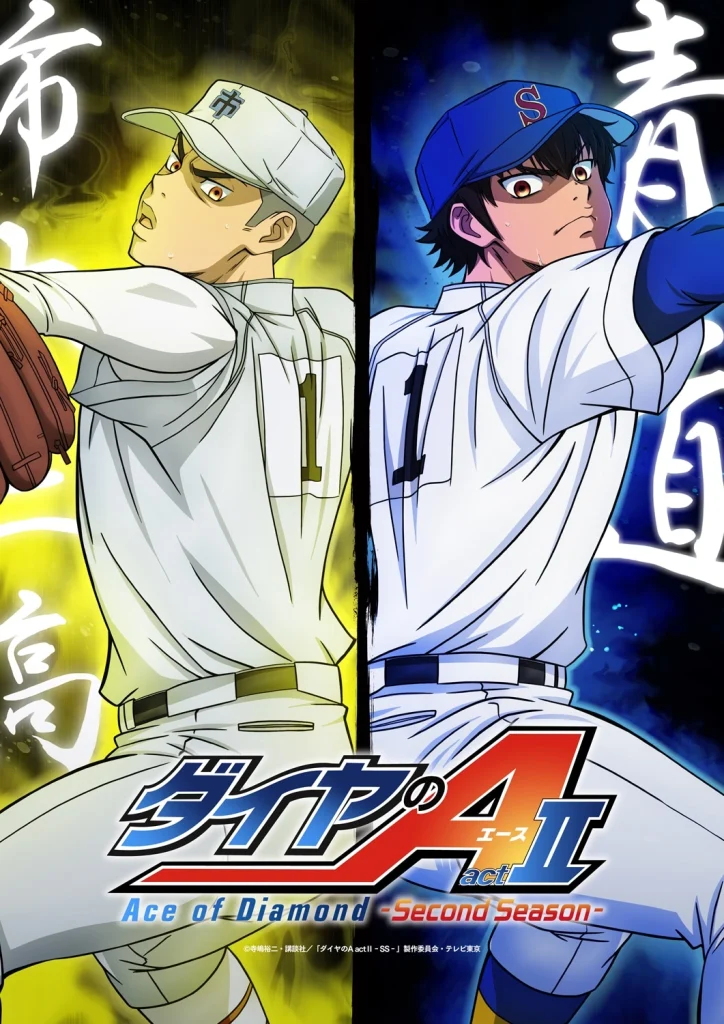
Overall, this cour opted to focus on just two games, with Seidou High Schools’ matches naturally taking up the bulk of the proceedings. It made the overall narrative feel more compact without the important story beats of these matches feeling too rushed, despite some initial concerns. Also welcome is how lead protagonist Eijun Sawamura (Ryouta Oosaka) finally having become the titular Ace, spends more time showcasing his abilities and strengths here, after undergoing a hard time in earlier seasons with the narrative throwing curveballs his way, with stumbles, mistakes and the like. I look forward to seeing how this is explored more in the next cour, which like many anticipated anime titles, can’t come soon enough!
DR. STONE SCIENCE FUTURE Part 3 marks the conclusion to a story seven years in the making, adaptation-wise. After the humble beginnings of Senkuu (Yuusuke Kobayashi) gradually piecing allies together, gradually but confidently reinventing various aspects of our technology, and then setting his sights on the Moon, it’s been quite a journey, and I’ve rarely missed a chance to discuss the various entries over the years.
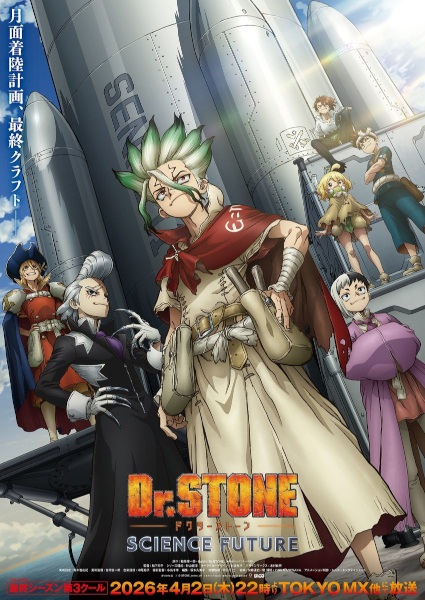
Indeed, the concept of taking the story to space feels like a natural extension and conclusion of all of Senkuu’s work, alongside Kohaku (Manami Numakura), Ryuusui (Ryouta Suzuki), and Stanley (Kouji Yusa) as they venture forth into space, take on the mysterious Why-Man threat, and ultimately succeed in saving Earth, which is seen more widely regaining its technological advancements in the epilogue. I have to admit thought that while the epilogue was good, I always wish we could get an extra episode or two just spending time with the cast. Instead it boils down to the last half or so of the final episode. Not a massive issue, just a personal pet peeve of mine, but otherwise I will miss this story and characters.
Elsewhere this season, Classroom of the Elite 4th Season: First Semester delivered what you’d expect from the series, with a lot of scheming and plotting, nicely carried along by a longer-than-usual 16-episode run that is always welcome in an age of 12-13 episode seasons. Dorohedoro (Crunchyroll, Netflix) and its second season seemed to have come and gone too soon, stepping up from its predecessor, and excitingly promising more in the future, which is very welcome news indeed.
Ace of the Diamond Act II Second Season, Classroom of the Elite 4th Season: First Semester, and DR. STONE SCIENCE FUTURE Part 3 are available to watch on Crunchyroll.
Sarah
Am I getting jaded – or is the phenomenon of anime series starting strong and then running out of steam after just a few episodes more of a thing these days? The reason seems usually to be because the material isn’t being developed sufficiently well to hold the interest for 12-13 episodes. The most successful adaptations to anime this season for me have been Witch Hat Atelier and Go For It, Nakamura-kun! – and it’s because the creative team have in both cases taken the decision to foreground certain aspects of the original manga (and in the case of the latter title, erase some potentially troublesome/contentious material). In both cases, it’s worked extremely well.
Hotly Anticipated: Witch Hat Atelier
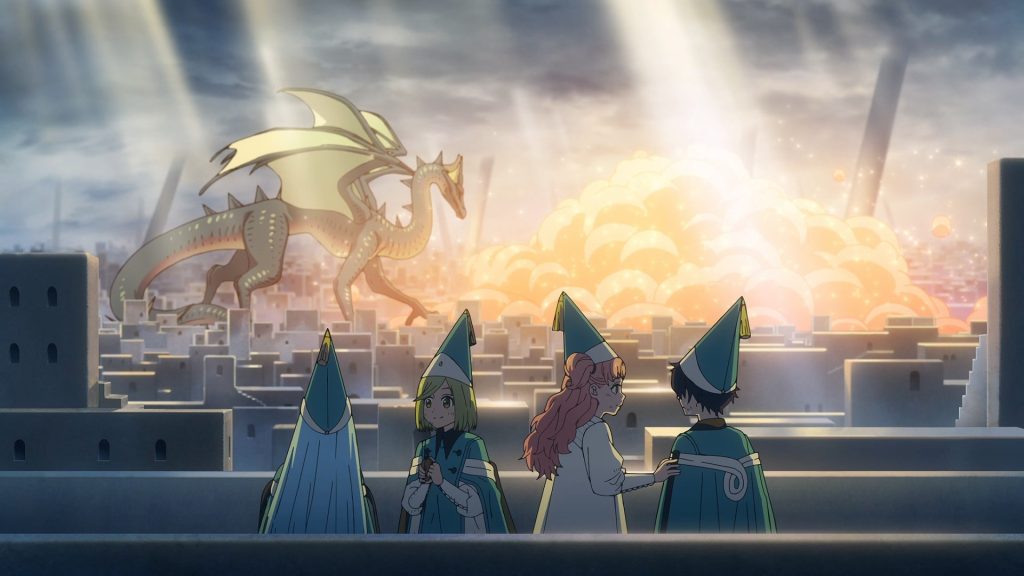
Witch Hat Atelier Season 1 has – and rightly so – made a huge impression this season, garnering praise not just from manga fans but also from viewers unfamiliar with the original work. It also ended on a horrendous cliffhanger!! Now that Season 2 has been officially announced, it’s just a question of waiting (and, of course, please read the manga if you’d rather not wait to find out what happens next – Volume 5 onwards).
Young Coco – who has discovered that witches are not born but can be made if they learn the secret techniques of drawing spells – has been rescued by Master Qifrey and is now the fourth apprentice in his atelier. She believes passionately that magic should be used to help people. But on a trip to nearby Kalhn, Coco and her three fellow apprentices are trapped in an alternate dimension where they are attacked by a dragon. It takes all their skills to finally devise a way out. It seems that a sinister Brimmed Cap was watching her and set up the trap. It’s not until they’re called to help when a bridge collapses as a cart carrying several people, including a boy, Custas, falls into the raging river, that Coco’s spell to rescue them dries up the whole river bed – and the Knights Moralis arrive, accusing Coco of using forbidden magic.
It’s fascinating to watch the four apprentice witches interacting with each other and with Qifrey, not forgetting Olruggio (Master Olly) the atelier’s ‘watchful eye’ who must make sure nothing forbidden occurs. The bitter resentment Agott feels toward Coco has to be resolved (Agott has her reasons but they’re nothing to do with poor Coco!) and Richeh and Tetia begin to define themselves as the series progresses. The characters feel ‘real’ and the voice actors bring them to life very convincingly in both the original Japanese dub and the US version (although some are better at ‘British’ accents than others).
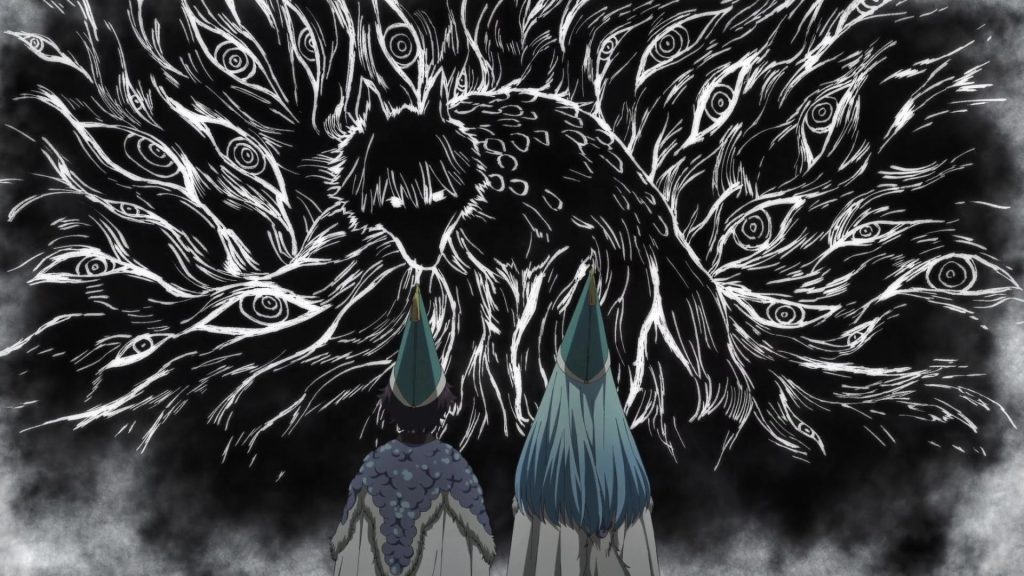
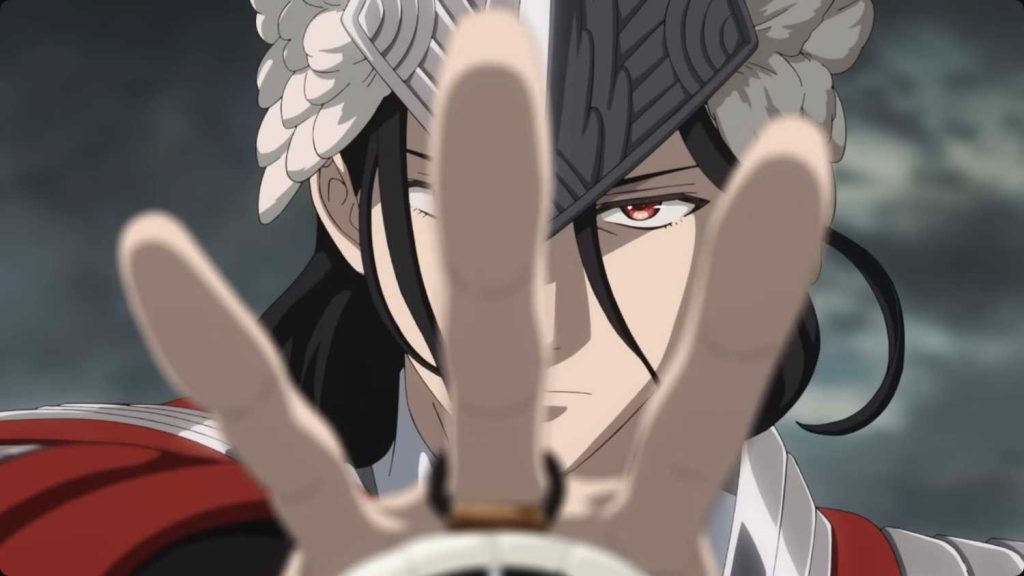
What stands out is the clever way the adaptation has managed to bring us all that’s special and different about this high fantasy tale while staying faithful to the original manga. The creative team at BUG FILMS have highlighted those elements that – when you’re reading – are often just ominous hints in the background – but by foregrounding them, the sense of underlying menace and peril for young heroine Coco is much more acute. She’s strong-willed and resilient but we get to see all too clearly that she’s going to be torn between the Brimmed Caps, forbidden magic wielders secretly shadowing her, and the righteous (self-righteous!) Pointed Hats who are policed by the Knights Moralis who will wipe the memories of any witch that dares to transgress their strict code. The anime version has really done justice to the exquisite artwork and complex, detailed fantasy worldbuilding of mangaka Shirahama Kamome but I’m hoping, though, that we won’t have to wait over three years for the next season (it took that long to produce the first.)
Hotly Anticipated #2: Go For It, Nakamura-kun!!
Syundei’s retro-look BL manga was first published in the US by Seven Seas in 2018 and because it is all to do with the unfulfilled yearning of Okuto Namakura (16) for his carefree, oblivious classmate Aiki Hirose, with the emphasis being on ‘unfulfilled’, it earned itself a Teen (13+) rating back then. It’s not just the look of the manga that’s retro (and brilliantly recreated here in the anime) but also the antics of the characters which evoke another era’s attitude to BL. The manga is strong on the comic (pathetic) aspects of Nakamura’s crush that can’t speak its name. Much of the humour is to do with his desperate attempts to approach Hirose only to fail due to some unintentional pratfall or faux pas – although the crazy antics of their high-school schoolmates are also intrusive and often end up with the luckless Nakamura as the fall guy. Even at home, his sister gives him a hard time (but that’s siblings for you…) So we get high jinks with the Occult and Horror Research Department and its charismatic female head, Reiko Aokiyama – or Nakamura is dragged into the activities of the Drama Club.
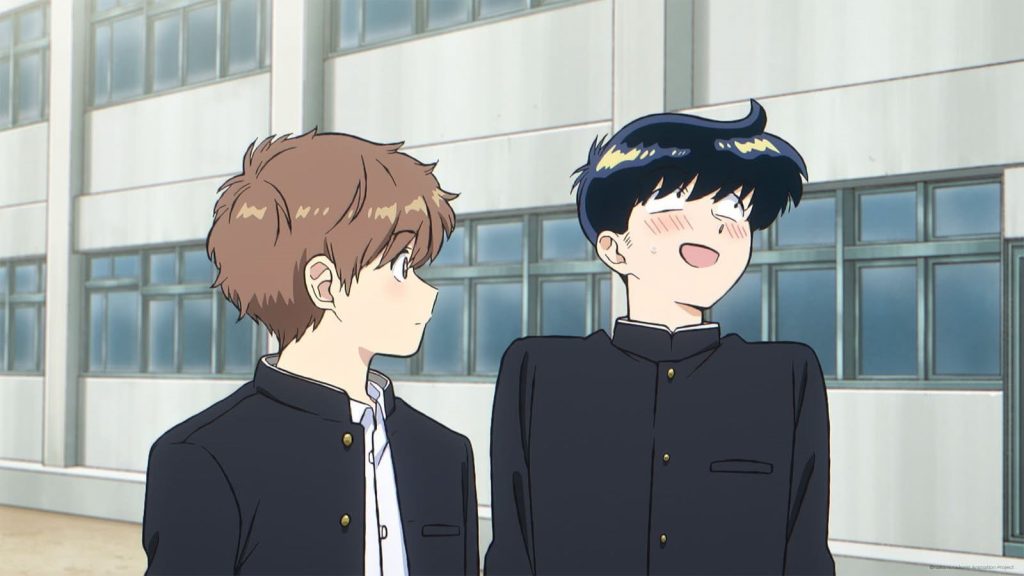
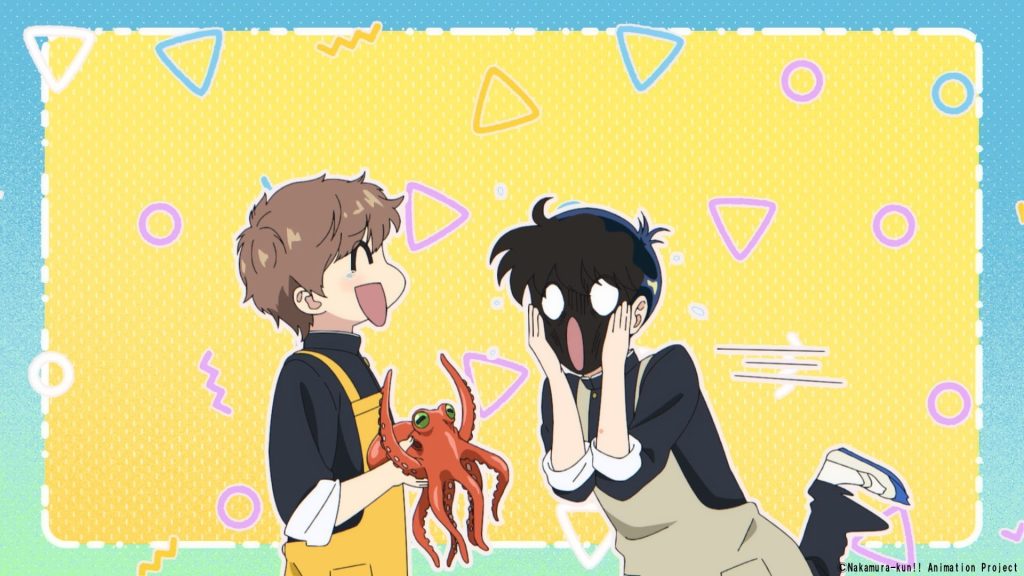
On the positive side, Nakamura takes good care of his pet octopus Icchan and is able to acknowledge to himself that he’s gay and shy. There’s also a rather sweet ongoing thread in which he summons up the courage to ask fellow classmate Hifumi Kawamura (who’s creating her own BL manga) to draw him and Hirose as friends. After that, she’s always looking out for him in her own quiet way – and when she goes to a signing by her favourite mangaka (a male BL artist because they do exist!) Nakamura’s there too as it’s his favourite series. Does she have hopes that they might become an item? It’s hinted… but they’re probably only going to bond over their shared interest in BL, nothing more.
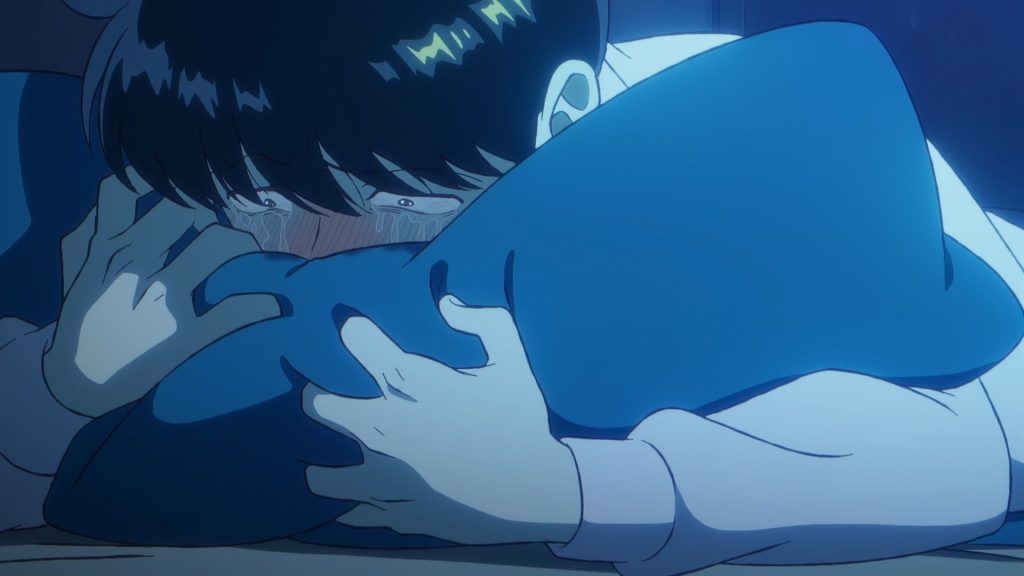
Where the TV anime diverges from the original manga is in the way Hirose doesn’t hang around and spend time with the class’s homeroom teacher, Sou Otogiri – and the resolution of the events of Episode 12 in which Nakamura learns that Hirose has a girlfriend. #12 is a highly impactful episode as it depicts how broken-hearted Nakamura is (unlike the manga which deals with it in a couple of pages). The reception this episode received when it was first broadcast is proof of the way the anime had moved into different territory, no longer portraying Nakamura as a rather pathetic figure of fun but bringing home his profound sadness as his hopes and dreams are shattered. The thirteenth and final episode then moves away from the manga – but in a good and measured way, not offering an impossible happy ending but maybe a hopeful one. I feel that these last two episodes offer a more balanced conclusion than the manga which just kind-of ends.
And then there’s the omissions. They cut scenes in which teacher Otogiri says things like, “Don’t tell anyone about it” to Hirose and “We’ll talk about it in the car” which are red flags etc. etc. It’s not difficult to see that what Syundei was doing in the manga was emphasizing that poor Nakamura can never get a break when it comes to wanting to be friends and maybe more with Hirose – because Hirose seems to have eyes only for their teacher. However, some viewers can be so quick to judge, confusing the depiction of teacher/student relationships with endorsing them – while other manga readers seem to have objected to the cuts. After ‘fans’ behaved very abusively on social media, mangaka Syundei left X/Twitter.
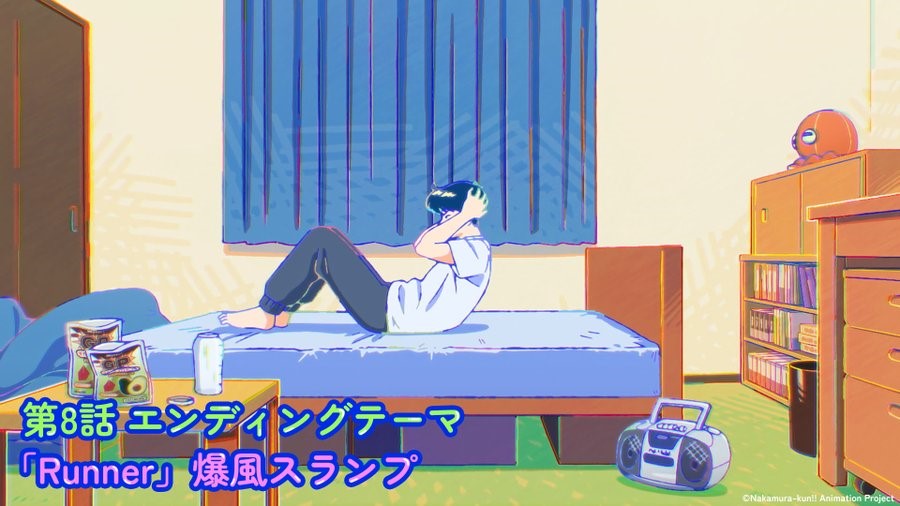
However, one stand-out aspect of this retro-style anime is the choice of music and the OP and twelve (!!) EDs. The inspired combination of the song and the colourful animation in “Shunpatsuteki ni Koi Shiyо̄” by Yasuyuki Okamura and Kento Nakajima made this for me one of the three stand-out OPs of the season. (My other two? “ATTITUDE” by aespa from Kill Blue and “C’est la vie” by Bullet Train from Pardon the Intrusion, I’m Home. They’re really well put together; trust me, I’m a musician!) The twelve charming EDs selected feel suitably retro in the music styles, arrangements and singing techniques (they mostly seem to date from the noughties) and accompany domestic scenes of Nakamura in his room, minimally animated. The one episode – the traumatic #12 – that has no music at the end as the credits roll, is all the more powerful for it.
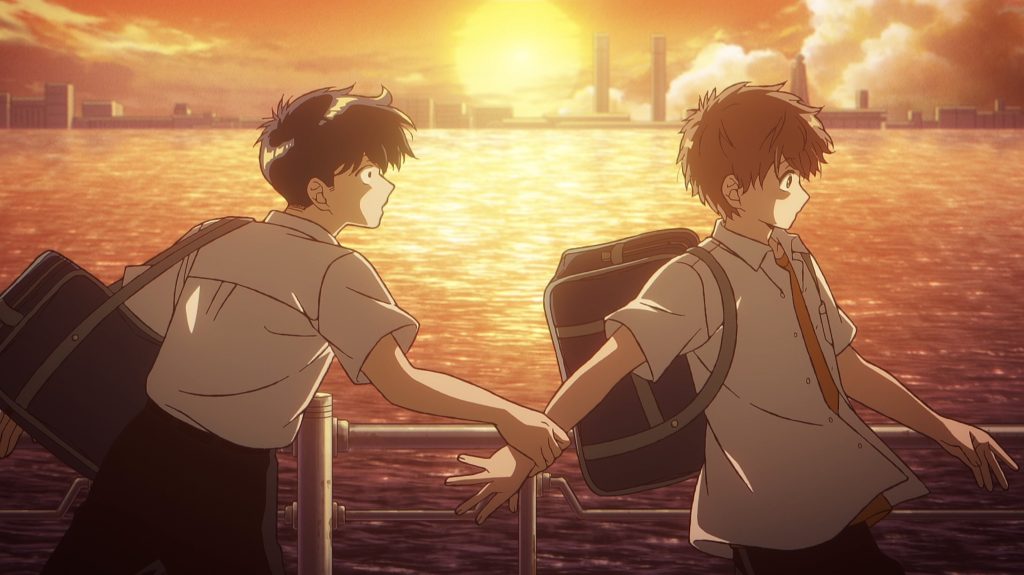
Go For It, Nakamura-kun!! ended up being a satisfying and stylish watch (apart from a few tonal wobbles) and blended the nostalgia of its retro look and music very cleverly with the trials and tribulations of the likable and relatable Nakamura-kun, managing to deliver a neat blend of style and substance.
And just to add praise for slice-of-life The Ramparts of Ice on Netflix for honing in on the agonies and insecurities of relationships at high school in a different and believable way (it’s also really entertaining and has some of the best chibi versions of the cast around at the moment). Good news: it’s back for Season 2 in October!

Witch Hat Atelier Season 1 and Go For It, Nakamura-kun!! are available to stream on Crunchyroll; The Ramparts of Ice Season 1 is on Netflix.
Cold Cobra
I was looking at two shows in the preview, one new and one returning but both very much shonen shows! Sadly I’m currently unable to write much so my full thoughts on the hotly anticipated will have to wait for when it comes to an end in the next cour, but as for the other I can at least say quite a bit!
Hotly Anticipated: Daemons of the Shadow Realm
As mentioned, I don’t have the ability to talk much about it at the moment but the latest Hiromu Arakawa-penned manga-to-anime has been very good animation-wise and with a plot full of fun characters and some good twists. It hasn’t really risen above “good shonen action” but that’s fine, the story is still just getting going, so we’ll see what it’s like at the end of its first anime run.
The returning show was the first time you can really class One Piece AS a returning show after a couple of decades of continuous airing (even if repeats with touched-up visuals and recap episodes have obviously given the on-going plot a break over the years) These episodes kick off the long, and I mean LONG, awaited arc that sees the Straw Hat Pirates arrive on Elbaph, the island of giants that was talked about so far back in the story that the scene has already been covered by the live action series that’s only two seasons in, rather than two-and-a-half decades in. Anyway, as mentioned in the preview the first few episodes actually take place in a giant’s legally-distinct Lego display with Luffy, Zoro, Usop, Nami, Sanji and Chopper having to escape from giant-sized animals and eventually the display’s owner, who captured the Straw Hats because they were “Ultra Rares”, which made me laugh. It was an odd way to kick off the long-awaited story but thanks to the new “two cours a year” schedule we didn’t spend too much time there and the plot was soon moved forward.
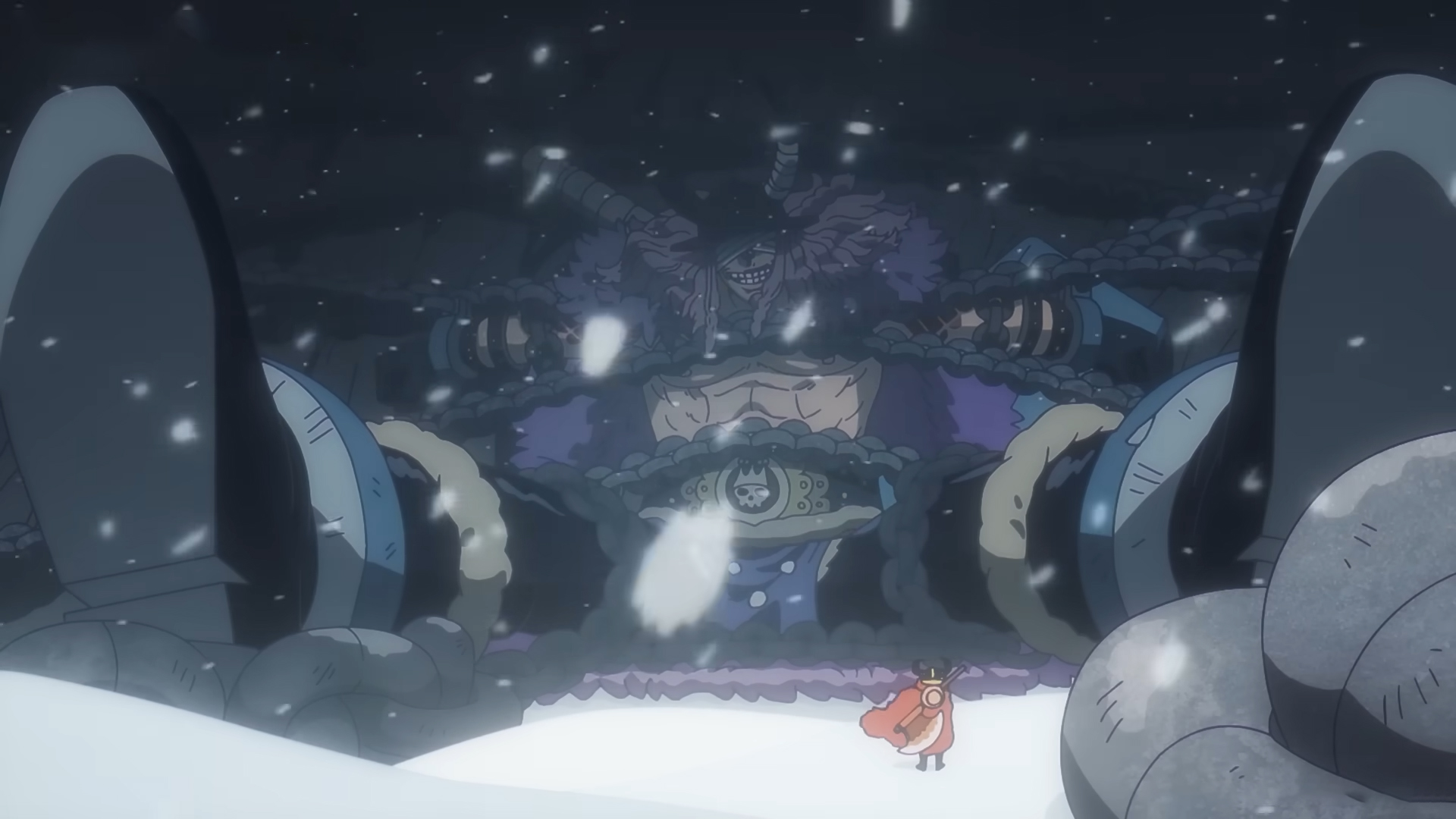
As the rest of the crew ran away from the giant who captured them, Luffy jumped down to a giant forest below them and ended up meeting a man who is even more giant than your regular giants called Loki. He is tied to the great tree that connects the various lands of Elbaph and is blindfolded for good measure. He tries to convince Luffy to free him in exchange for information about Red Haired Shanks, who visited the island recently and our favourite protagonist being unable to think about the potential bigger picture naturally agrees to find the key to his chains later. We then get a few episodes of customary “explore the new island and all its oddities” that we always get at the start of these stories, and as you’ve probably figured out by now a lot of it is based off of Norse mythology, complete with the great tree, different “realms” (even if they are all just parts of an island), rainbow bridges, and as it’s soon revealed, Loki being the son of the ruler of the land and a bit of an outcast who liked to cause pranks… until he killed his father to take control, hence his being chained to the tree in the island “underworld”. We also get to see Nico Robin reunite with the giant she befriended as a child and thought dead until a while ago. That was a particularly sweet scene, with most of the rest of the cast getting teary-eyed.
This part of the Elbaph Arc ends with a few big revelations that I won’t, well, reveal here, but they’re good fun and set up more threads for later as we ever-so-slowly edge towards the overall conclusion, including some new villains one of whom has a very recognisable face… As you’d imagine with the start of an arc things are only just beginning to get into motion, but what is in motion has been very fun indeed.
One Piece’s switch to a two-cour yearly schedule has allowed it to keep the good-to-great animation without having to resort to breaks or too much time-wasting, the days of episodes adapting just a couple of pages of one chapter are gone, and all we have to do is wait a few months in between seasons. Sounds like a good trade-off to me!
Both Daemons of the Shadow Realm and One Piece are available to stream on Crunchyroll, with One Piece also available on Netflix.