A First Look at the Spring 2026 Season
The Spring 2026 Season is off to a strong start (but so many continuations!). The writers at Anime UK News have made their choices and are here to recommend the titles that have caught their attention. Have we picked the best ones? Have we been able to watch Akane-Banashi legally in the UK or do we have to wait until May for Netflix to show it over here? And talking of Netflix, don’t get us started on the Steelball Run fiasco!
Our First Spring 2026 Picks
A Hundred Scenes of Awajima
Ace of the Diamond Act II Second Season
Agents of the Four Seasons
Daemons of the Shadow Realm
DR. STONE SCIENCE FUTURE Part 3
Liar Game
One Piece (Elbaph Arc)
Pardon the Intrusion, I’m Home!
The Ramparts of Ice
Welcome to Demon School! Iruma-kun
Wistoria: Wand and Sword
Witch Hat Atelier
Onosume
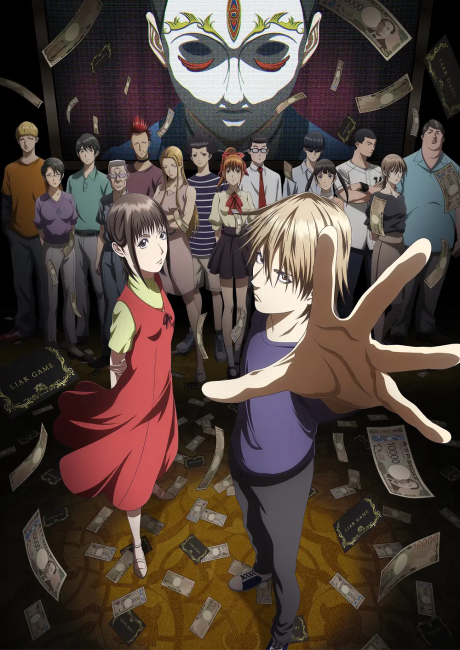
Many years ago, Liar Game got a spotlight feature on NHK World TV show imagine-nation, and I was very intrigued by the plot of the manga using lies and deceit to try to claim an ever-increasing pot of money. While it’s been popular in continental Europe, I’ve always been baffled by why this has never been released in English. So, when the anime was announced I was eagerly looking forward to getting stuck in, but so far, I’m not sure it quite lives up to the hype.
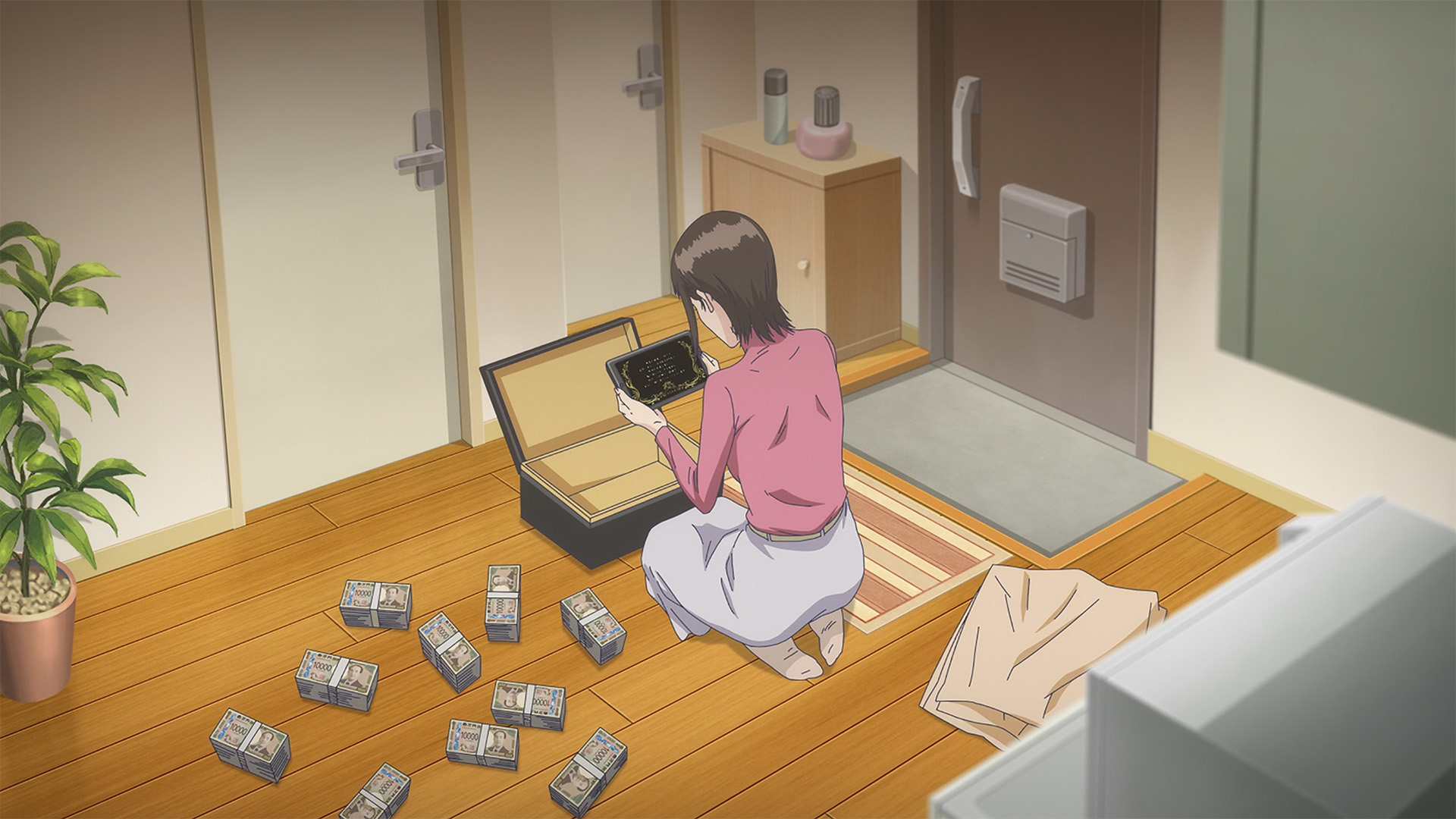
In the opening three episodes, we see pure and naïve student Nao Kanzaki get pulled into the game after she is scouted for handing in a 100-yen coin to the local police box. Given 100 million yen, she is challenged to steal another 100 million yen from the other player, who turns out to be Fujisawa, one of her old teachers whom Nao found very influential. Fujisawa though is a bit of a bad person and has accrued massive debts in his dodgy dealings and, knowing how pure Nao is, he thinks he can take her for a ride.
Nao though proves a bit more of a challenge than anticipated. Wanting to get out of the game, Nao tries seeking legal advice, but all she is told is that the only way to outcon a con is to use a conman. And guess who has just been released from prison? Legendary conman Shinichi Akiyama, who she manages to convince to help her out for half the prize. With Akiyama’s plan, the two manage to claim the money, but Nao feels bad for her former teacher and in the hope of turning his life around, decides to give him the winnings. However, it turns out that the winnings are actually just a loan and the Liar Game Tournament Organisation wants that money back! If Nao wants to come out of this without a multi-million-yen bounty on her head, she has to play the game and win at the very end.
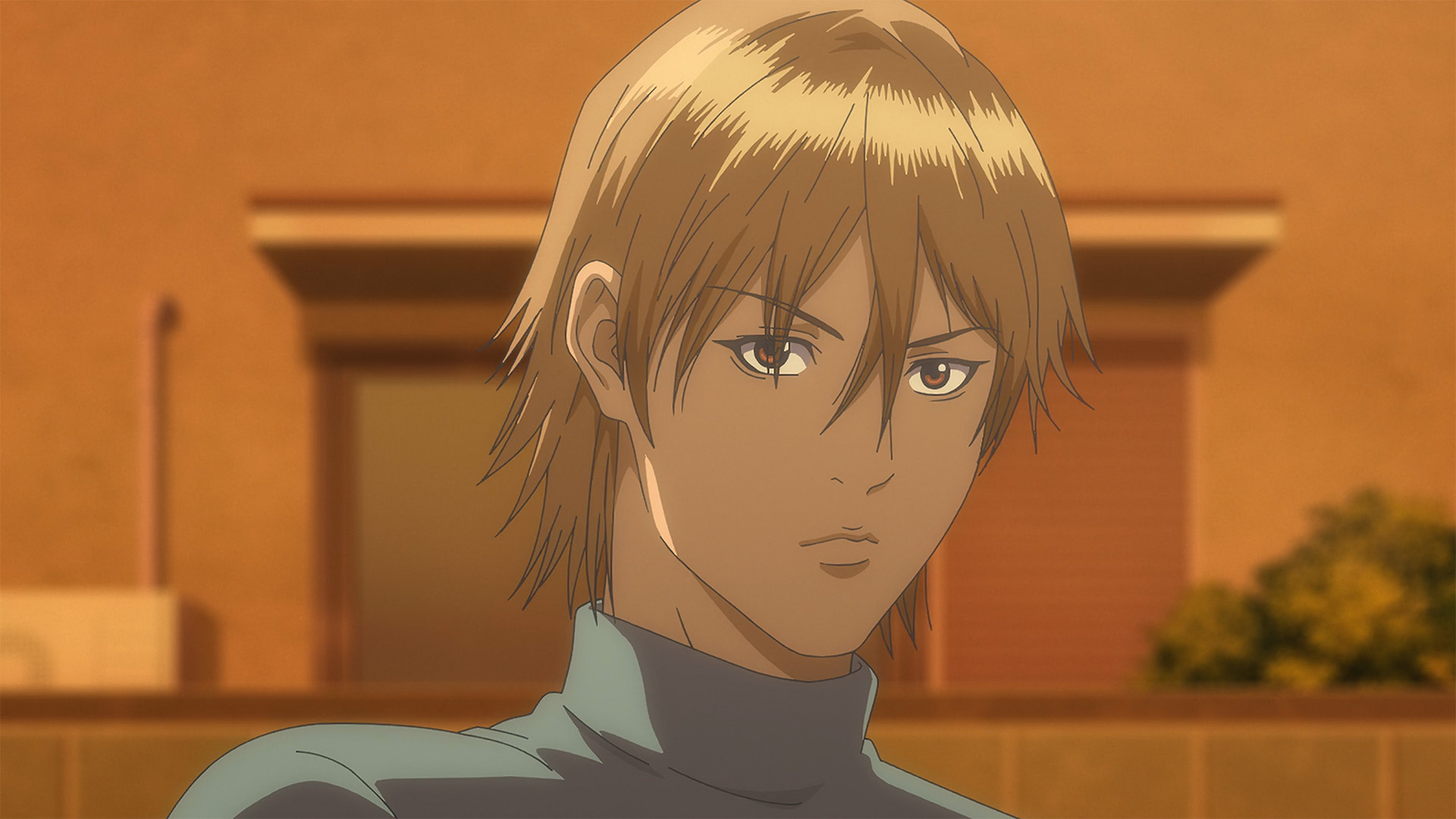
Being locked in a game of treachery for a big pot of money is a very interesting idea (as other gameshows have proved over the last few years!) and I like that the main character has no interest in the money whatsoever. What drives Nao is believing in the good of people and wanting to help pull people up out of trouble. However, while the sentiment is honourable, the way it is shown here makes Nao very insufferable. It lets on too much that her opponents are scum of the earth, so when she’s shocked that someone whom she thought could do no wrong has betrayed her, it gets very melodramatic.
The voice acting compounds this in that I don’t think it’s very good, or believable. Saya Hitomi presents a very flat interpretation of Nao that sets her up as a timid squeaky mouse, while Nabuo Toita turns Fujisawa’s descent into paranoia into a bit of cringe-fest.
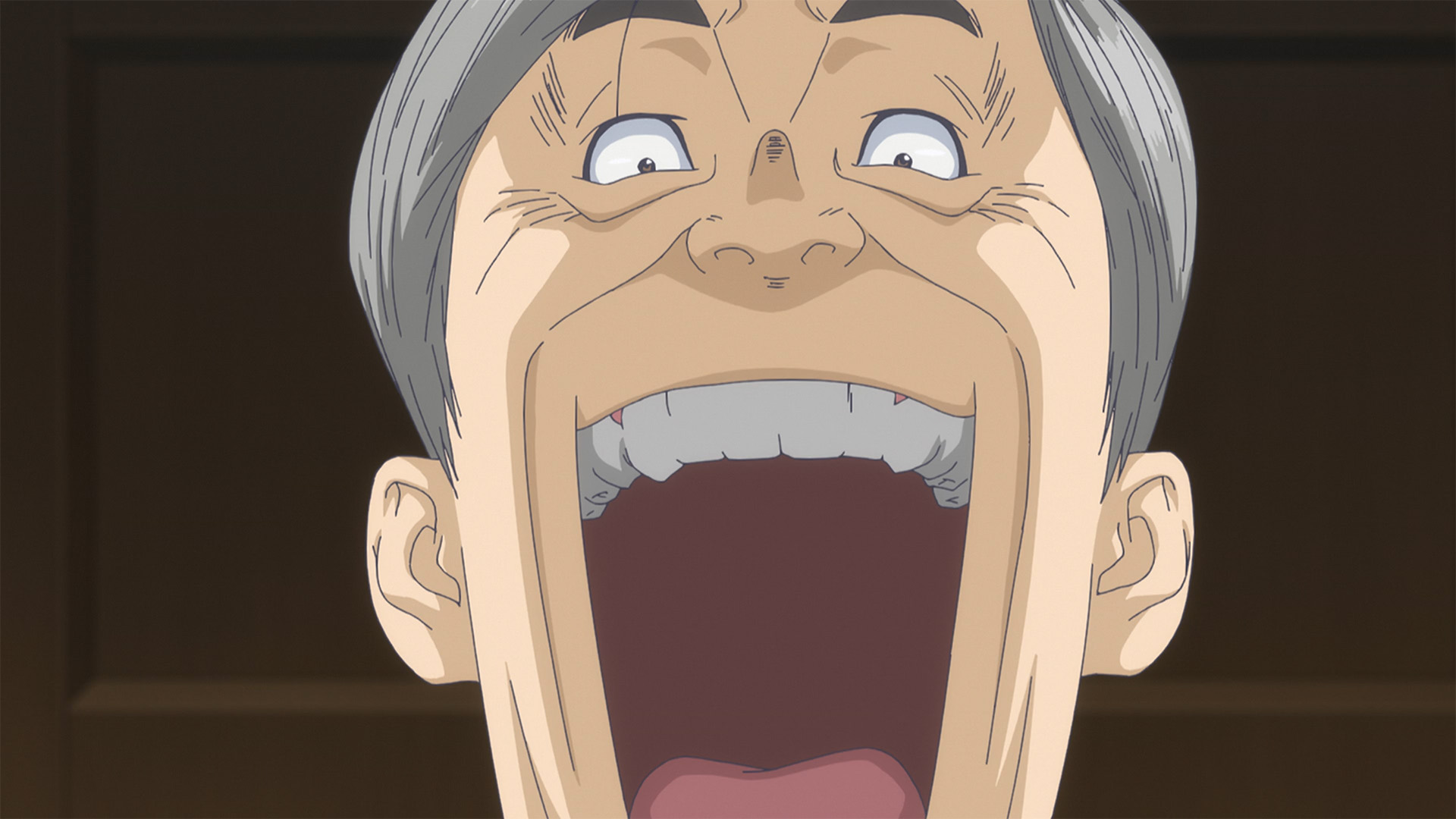
I guess my issue is that while the idea is great, the execution isn’t all there yet which I hope is just early struggles for the series. Hopefully when it throws in more rounds and starts exploring other characters it can find its feet in not just presenting them as caricatures.
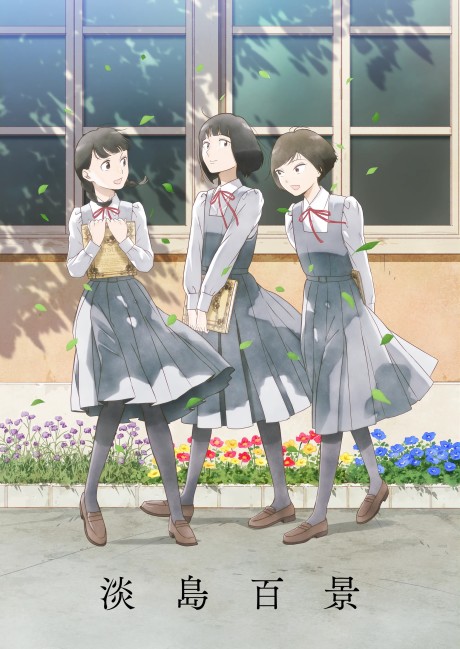
If you want something that feels a little different, I’d recommend taking a look at A Hundred Scenes of Awajima. Based on the manga by Takako Shimura (Wandering Son), it sets out a delicate and touching drama focusing on the lives of the students, teachers and alumni of Awajima Opera School.
While its setting and themes may be similar to shows such as Kageki Shoujo!! and Revue Starlight, the focus here isn’t on acting or musical theatre itself, but instead on the core human relationships between its characters.
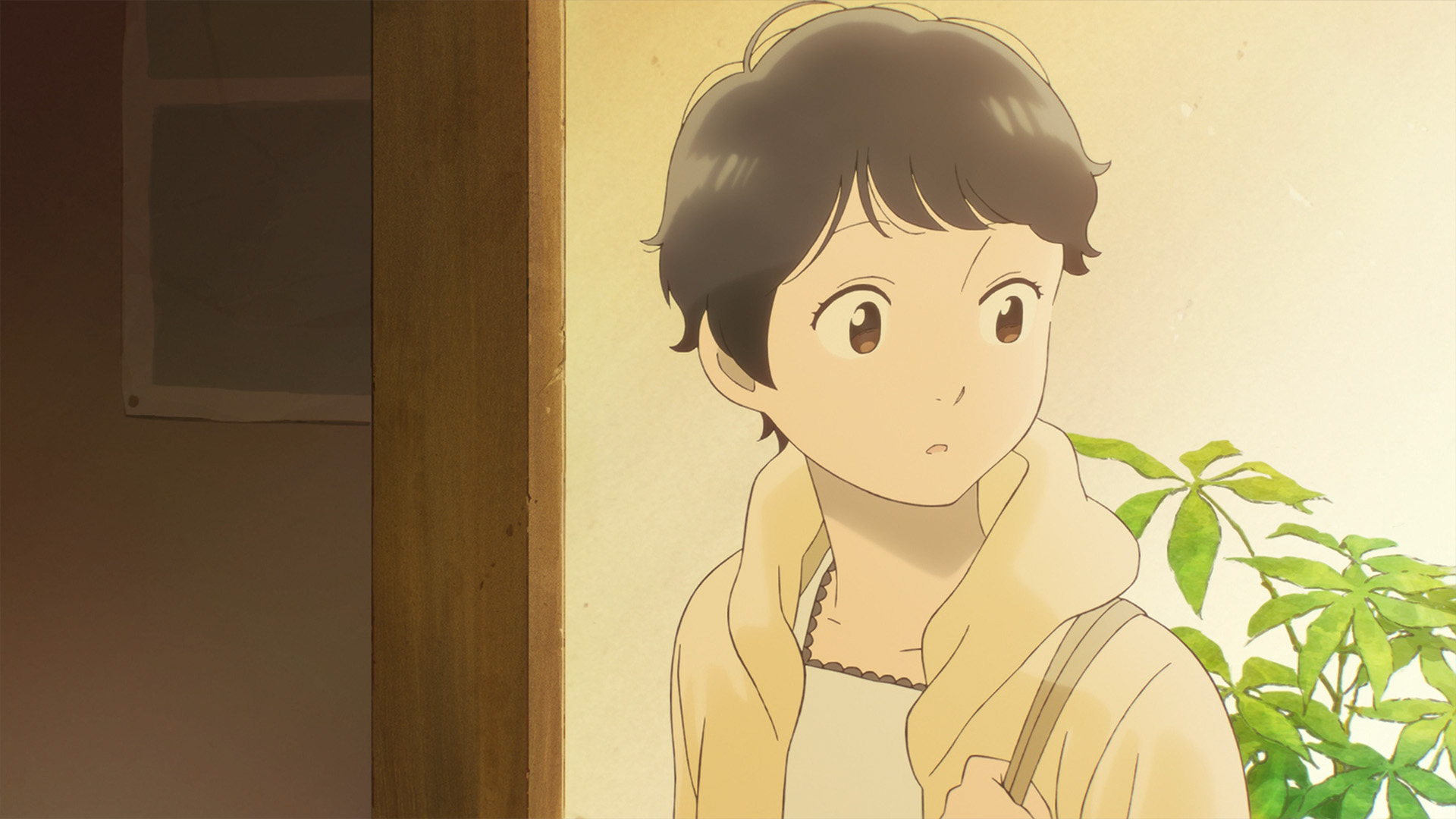
We are first introduced to Wakana Tabata as the main character who is in love with acting and sees everything through rose-tinted glasses, a point which the show emphasises as it shows that studying at the school is not going to be easy and that other students have a variety of problems. Wakana is our eyes and ears on this world as we quickly turn to her friends and classmates. Wakana’s roommate Kinue finds herself apart from her best friend after she secretly bailed on joining the school, and she has to settle her feelings on that before she can really settle in.
The first episode is tender and wholesome and really sets you in to watch these girls grow and develop. However, the narrative here is not straightforwardly told as it uses characters and plot points to bounce to other characters and plot points. Kinue’s aunt is instrumental to encouraging her to attend the school because of her own regrets around a friend who went there in the past. And surprisingly we get to see this story play out in Episode 2 which then, due to the connections between the characters, sets up Katsurako Ibuki’s backstory as a school bully tormented by her gatekeeping grandmother while in the present day she is a respected (but slightly feared) teacher.
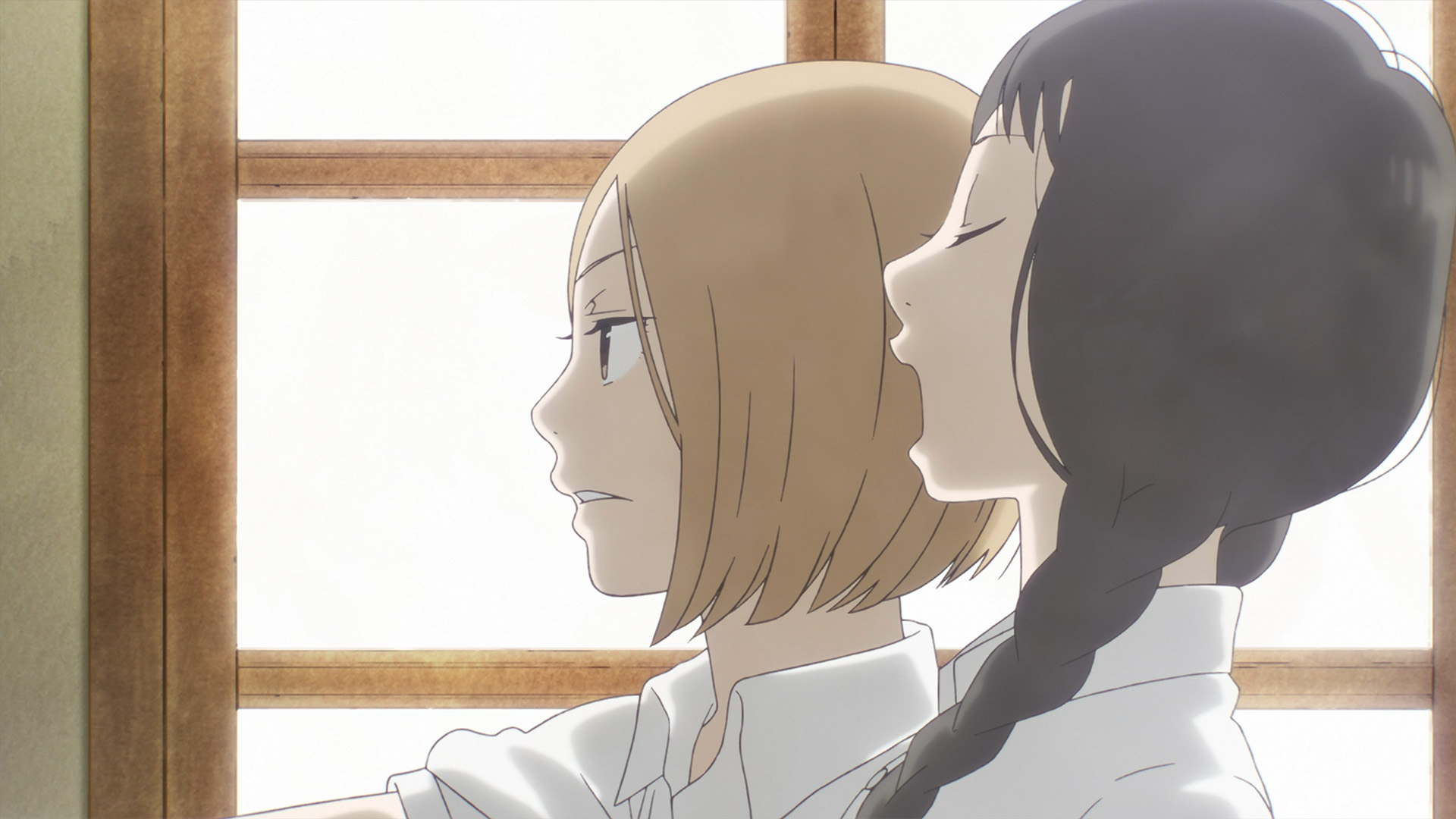
It’s definitely hard to follow at times as it jumps around, but the way all these relationships interconnect is both fascinating and impressive. Once you’ve processed what’s actually going on, it does lead to seem nice lightbulb moments as everything clicks into place.
It’s visually good as well, and I think the dreamy, almost watercolour-like art style works well in a show that seems based heavily around nostalgia and reflecting on the past.
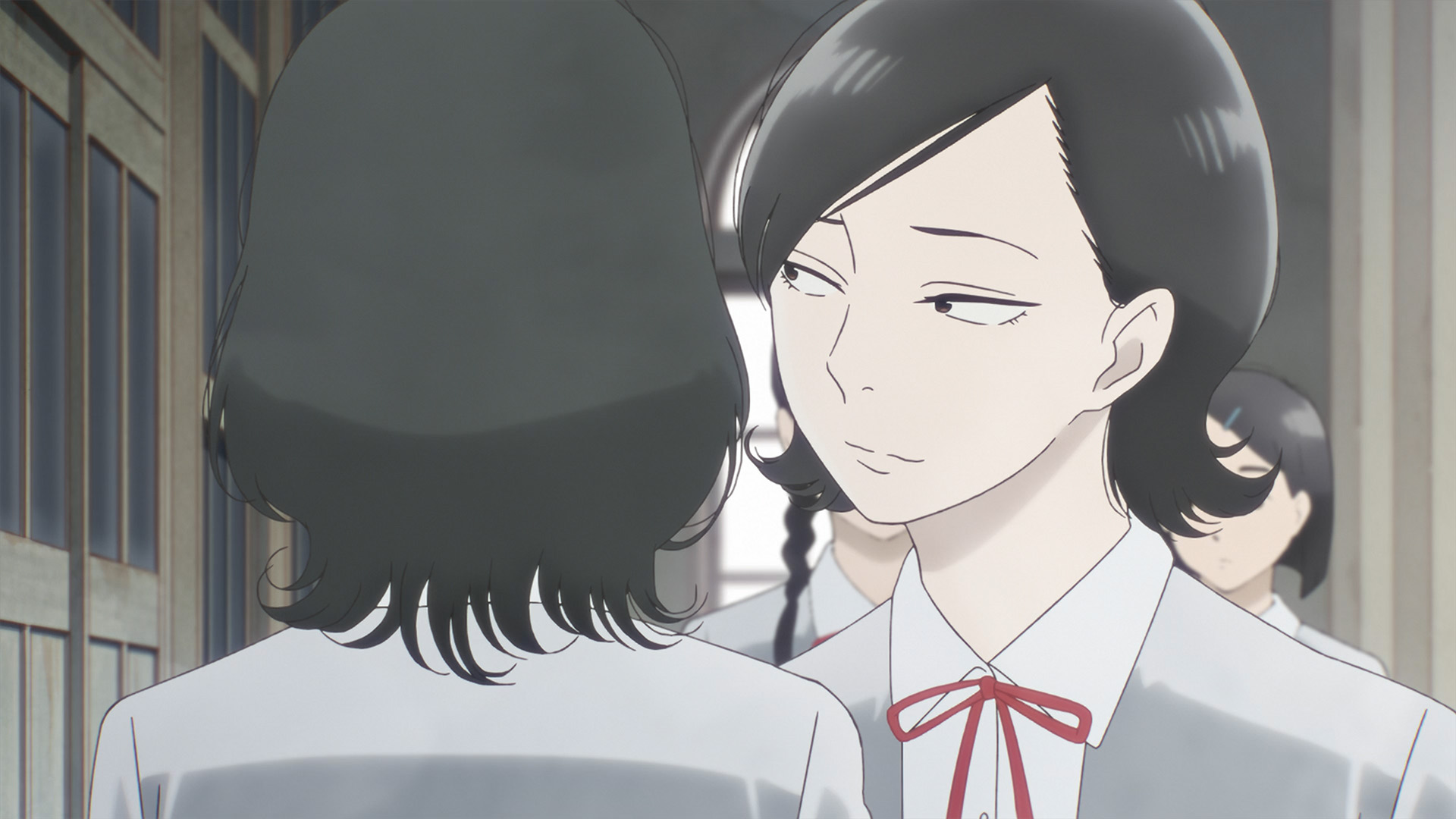
Overall, if you can get past some of the show’s jumping around and nonlinearity, I think this will come out as a rewarding and tender character drama that stands out as something worth watching.
Liar Game and A Hundred Scenes of Awajima are both streaming on Crunchyroll.
Sarah
In the world of Witch Hat Atelier, young Coco desperately wishes she had been born to wield magic like the witches with their pointed caps. As a little child, a mysterious encounter with a masked witch leaves her with a book of spells – but no way of wielding them. Until the day a witch, Qifrey, comes to her mother’s shop and, spying on him, she sees him drawing a spell using a special pen and ink. Now she understands – and sets out to copy the spells in her magic book – with terrible and unforeseen consequences. Whisked away by Qifrey to join his three other apprentices at his atelier, Coco realizes that you don’t need to be born a witch to wield magic – but this secret knowledge must never be revealed.
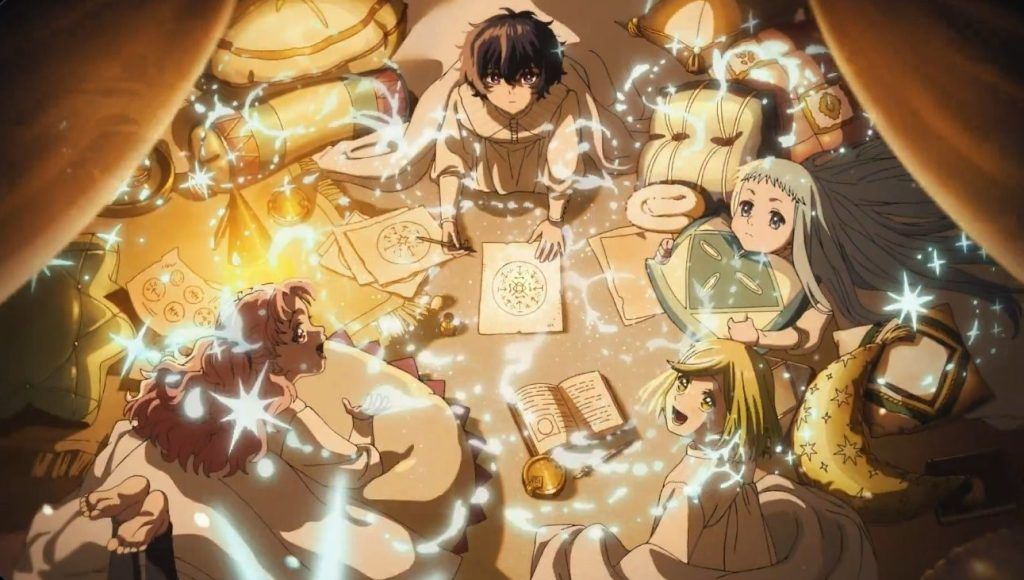
We were very early adopters at Anime UK News of Kamome Shirahama’s exquisitely illustrated fantasy Witch Hat Atelier manga – so the hope has been that the long-awaited TV anime would do the original creation justice. And Witch Hat Atelier has had much care and attention lavished upon it – but work of this calibre can’t be done in a hurry (hence the original 2025 date postponed to 2026). The use of sound is especially noteworthy. The scene where Coco very carefully inscribes the spell copied from the forbidden book she acquired gives us the quiet yet evocative sound of a nib scraping over paper – and nothing else. It’s such a tense and pivotal moment – and when the music softly enters, it seals the images in our minds. If only other directors/composers would learn from this subtle use of music – or complete absence – to create moments of dramatic tension! The soundtrack is in good hands too with composer Yuka Kitamura (her background is in games music, including Elden Ring) having laid down many of the instrumental tracks herself. She’s been making very interesting social media posts on X (and elsewhere) about her instrumental choices, if you’re interested. Yuka Kitamura / 北村友香 (@Yuka_Kitamura) / X
The anime episodes are framed by sequences showing the opening of a pop-up fairy-tale book and the animation throughout from BUG Films is (as fervently hoped) of a very high standard. We’ve been told by the director that the team and the mangaka have altered the sequence of some of the events to make things flow more smoothly in anime terms. It’s very faithful to the source material and a constant delight to look at. But I can see that they won’t get very far in this first series because they’re taking time and trouble to make each event have the necessary weight in dramatic terms. At Episode 5, we’re currently in the town of Kalhn and we haven’t even yet met Olruggio! This is Volume 2 in manga terms – and with Volume 15 coming soon from Kodansha, several series would be needed to reach and adapt the current Silver Eve arc.
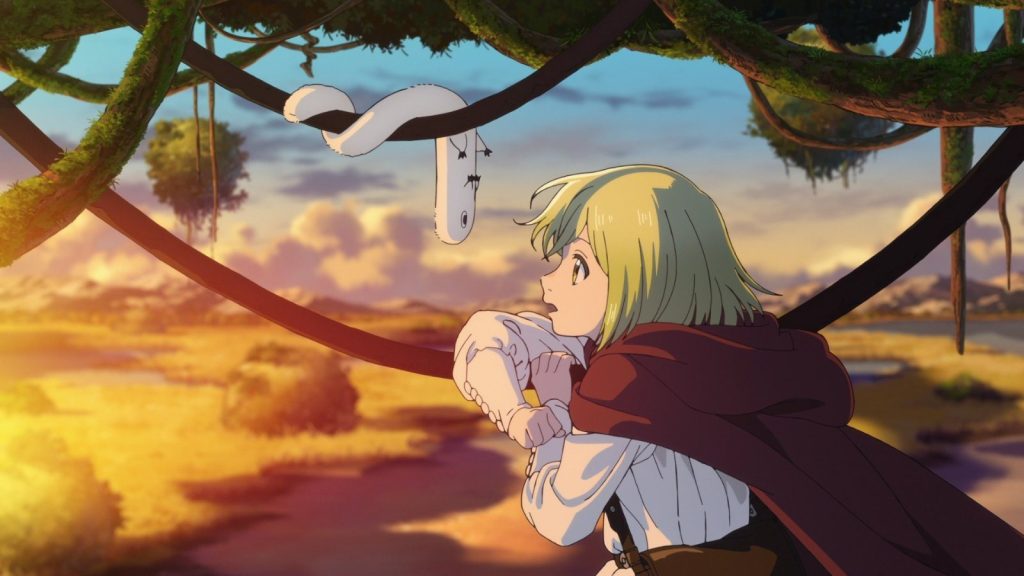
I won’t be following the English dub myself after a trial run (most of the atelier are using ‘British’ accents, some more successfully than others) because of the weird (someone suggested Irish but not really) accents adopted by the VAs playing Nolnoa and Tartah which doesn’t bode well for later characters. There are excellent Irish, Scots and Welsh VAs around (not to mention British) so why not use them? (Yes, I know budgets, America etc.) The Japanese cast are splendid, especially Natsuke Hanae as Qifrey, Rena Motamura as Coco and Hibiku Yamamura as Agott, Coco’s resentful roommate at the atelier. And a special word of praise for Misaki Kuno, giving an excellent range of squeaks as Brushbuddy (Fudemushi) the white furry little companion Coco adopts.
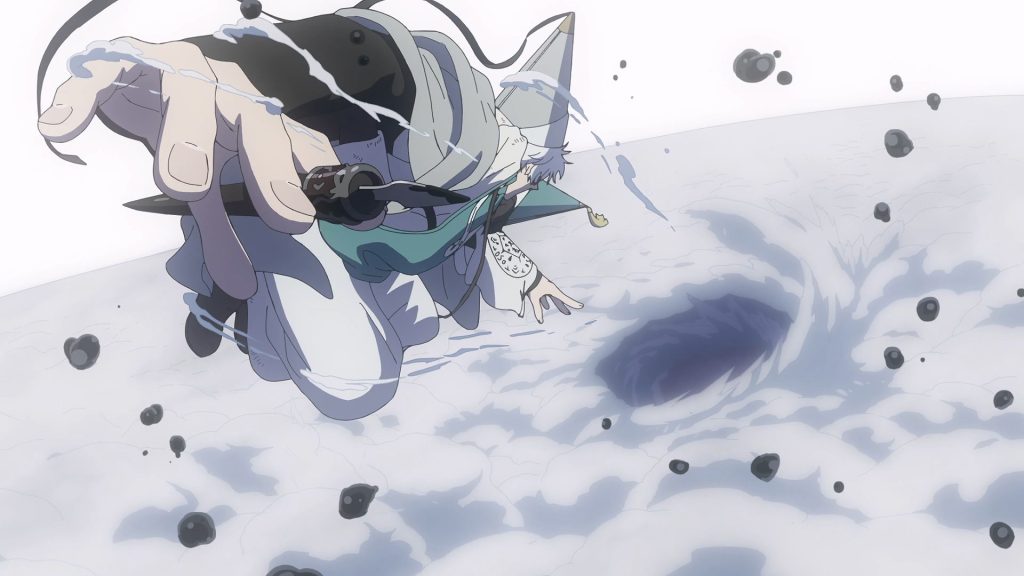
Why watch this fantasy series? It really does justice to the original manga in breath-taking and imaginative animation. It’s different from the ubiquitous (and mostly tediously derivative) isekai/fantasy magic series in which wands are used to shoot coloured ray/magic beams etc. etc. From the start, we learn that the use of magic in this world has been very carefully delineated and any witch overstepping the boundaries will be severely punished by the Knights Moralis. The original reasons why are yet to be revealed although because of Coco’s terrifying first experience, we dread the consequences…
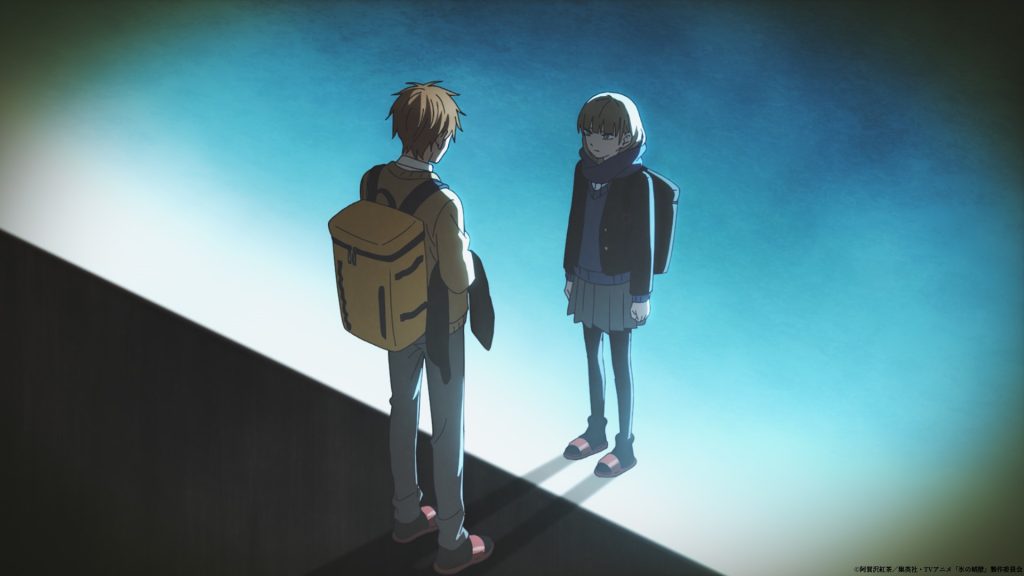
Like many other viewers, I was utterly won over by the charm of the TV anime of Agasawa Tea’s You and I Are Polar Opposites last season. So, I was eager to watch the anime of her first manga series, The Ramparts of Ice. After the bright sweetshop colours of Polar Opposites and the sweet, upbeat nature of central character Miyu Suzuki, the autumnal, muted colour palette of The Ramparts of Ice instantly sets the mood for a very different central character: Koyuki Hikawa. Koyuki is a reserved girl, short in stature (petite) who has started at a high school in a different area to get away from the ‘teasing’ (aka bullying) she was made to endure in her middle school. Called the ‘Ice Queen’, she’s erected invisible barriers (those ice ramparts) to protect herself from the unwanted attentions of other students. Luckily, she’s made a good friend in outgoing Miki – soon to be joined by tall student (known as ‘giraffe’) Yota. She’s also drawn the attention of Minato who is fascinated by her aloofness but maybe not in a good way. But just when she’s making good progress, a soccer team with members from her old school turns up to play a match and she spots Igarashi, the boy who was responsible for the teasing/bullying and who made her life miserable. Suddenly all the bad feelings return…
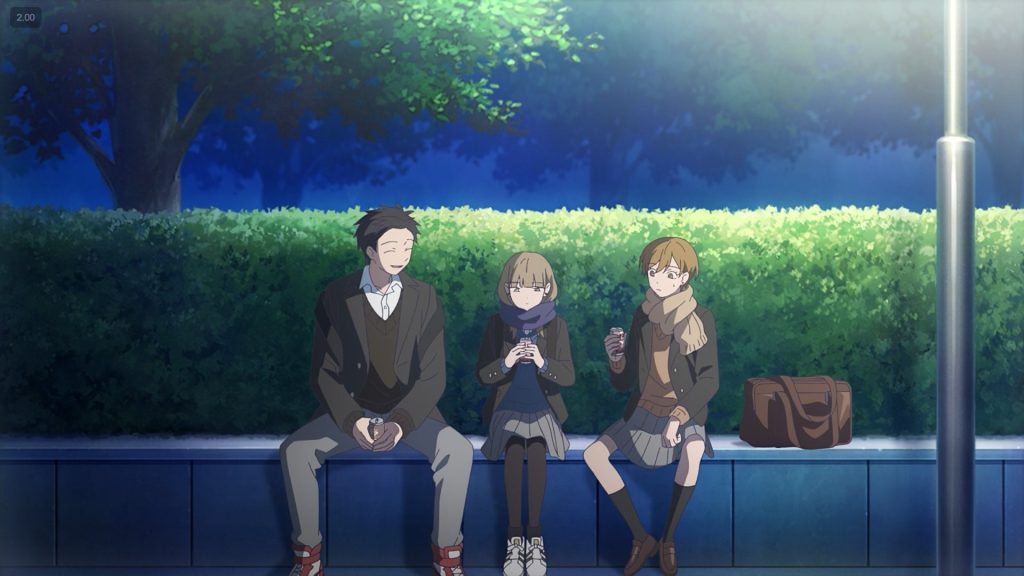
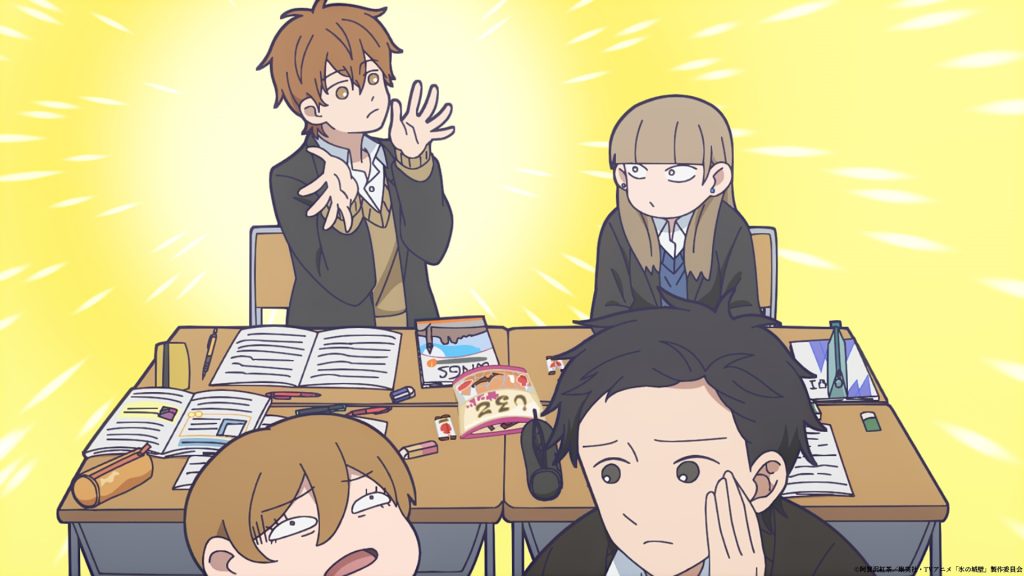
Mangaka Asagawa Tea is really skilled at depicting her high school protagonists and the agonies and joys of being a teenager. Ramparts of Ice has avoided any moments of high drama so far, but we’ve seen the misery Koyuki has been forced to endure and it’s impossible not to sympathize and empathize. It’s reassuring to watch Koyuki going for studying sessions with Miki and Yota (and later, Minato too) – but the instant Igarashi reappears, we fear for her. I suspect there won’t be any easy answers but the interactions between Koyuki and Minato are going to be interesting – and painful – to observe, especially as she’s just told him that he’s ‘disgusting’. (Oh, and on the lighter side, the mangaka’s signature and delightful chibi versions of her characters feature here, as in Polar Opposites!)
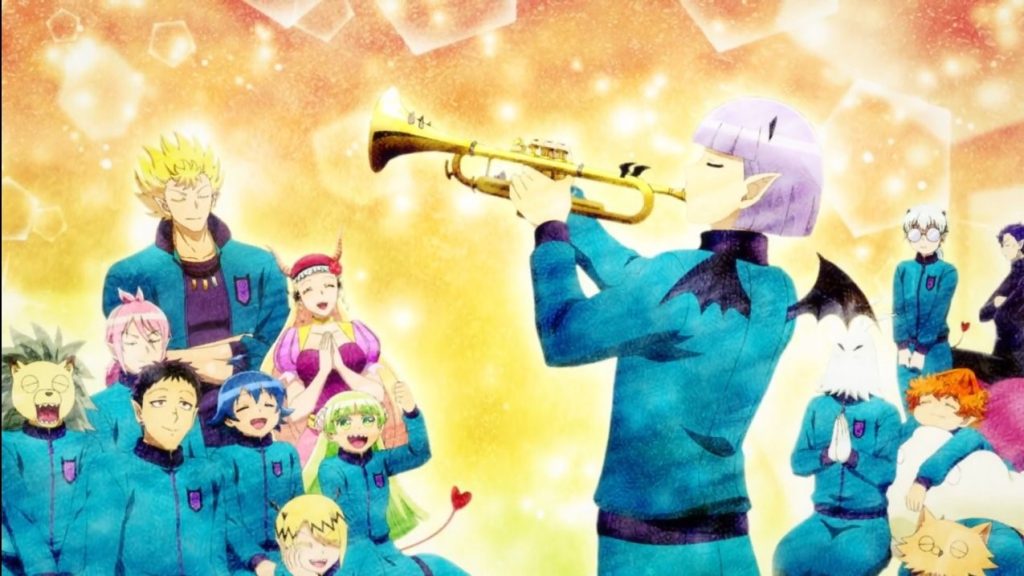
Purson Soi – the thirteenth (and usually invisible) member of the Misfits Class – finally makes his appearance! In the fourth season of Osamu Nishi’s popular fantasy, Iruma (a human among demons) and the other members of the Misfit Class are told in no uncertain terms (by Kalego) that they will lose their special classroom if they don’t all achieve Rank 4 by the end of term. However, if they win the upcoming Babylis Music Festival, everyone will pass – but that means everyone must participate. At last, Purson Soi is forced to reveal his presence; he’s been there all along but due to the strict rules of his family, he’s not supposed to do so, remaining invisible if at all possible. But – who knew? – he’s a gifted trumpeter! A plan for the Misfit Class’s performance begins to evolve, featuring Purson on trumpet, Iruma on piano and Keroli relying on all her experience as a secret dem-doll to rehearse the whole class to perform an exacting song and dance routine, so it looks as if they’re set fair – until Purson really disappears and no one can find him.
If you’re a fan (like me) of the Misfit Class, you’ll be eager to follow the latest developments and cherish little moments, such as the furious argument between Clara and Alice Asmodeus in their efforts to get to know each other better for the routine, in which Azz-Azz at last calls Clara by her first name (she’s so happy!) and she can’t get his name right at all (but that’s Clara). Meanwhile, an interesting understanding is developing between Iruma and Purson as they learn to play music together. Elizabetta is going to play the central role in the class’s performance and she’s visibly blooming (although will Ameri feature soon? I do hope so). We haven’t yet met the judges for the festival but they promise to be larger-than-life. And who is scheming against the Misfits? Plenty of fun and peril is doubtless in store – this series is recommended as a tonic in our troubled times (just like the earlier three seasons)!
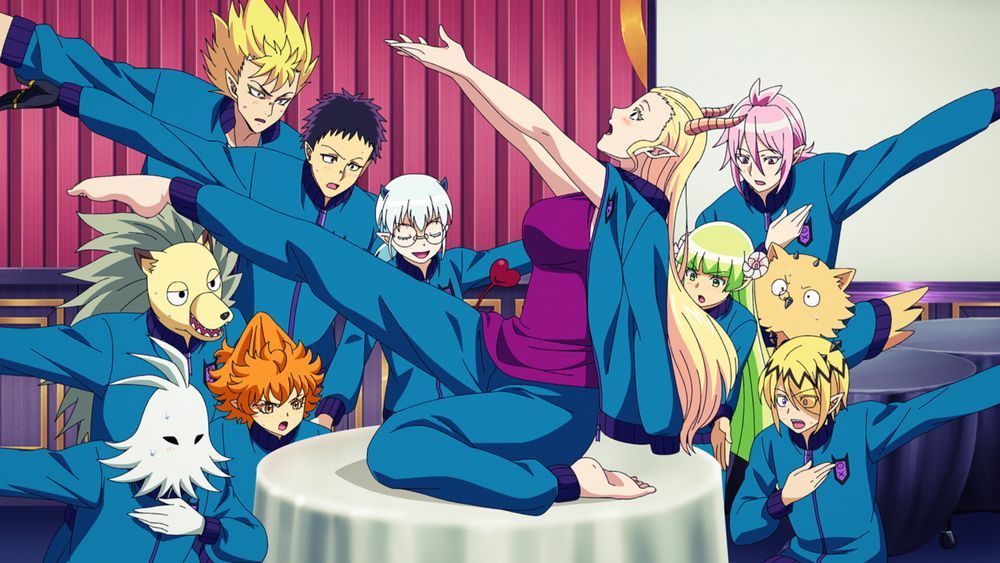
Witch Hat Atelier and Welcome to Demon School! Iruma-kun are available to watch on Crunchyroll; The Ramparts of Ice is streaming on Netflix.
HWR
As Spring arrives it also brings gifts, namely another anime season packed to the brim with continuations, with just two new anime finding a spot in my roster for the season.
Hotly Anticipated/Returning Champions
Sports anime are always a fascinating case study for me personally, as whilst I haven’t ever fully watched a game of baseball, I have watched over 100 episodes of Ace of the Diamond, and so naturally was anticipating this long-awaited return, which originally finished airing way back in March 2020.

Ace of the Diamond Act II Second Season (not the smoothest naming convention I know) picks up where the previous season left off, wherein our lead protagonist Eijun Sawamura (Ryouta Oosaka) finally became the titular Ace, and now sports the coveted number one on his back. Seidou High Schools’ team are seen winning the first match of this new season, whilst a heated match between Ichidaisan High School and Yakushi High takes place across the second and third episodes here, when a heated showdown between Kousei Amahisa (Ryouhei Kimura) and Raichi Todoroki (Kensho Ono) comes to a head. I’ve enjoyed the season so far, albeit with the small caveat that the matches seem to moving a little too quickly – I’m hoping though that this isn’t indicative of a smaller episode count than last time, especially after such a wait.
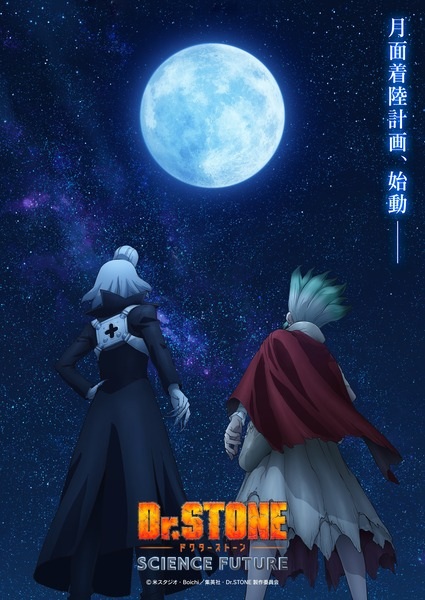
DR. STONE SCIENCE FUTURE Part 3 was another continuation I was excited to watch, having keenly reviewed the previous two parts for this final section of the storyline. Needless to say that after an emotional finale to Part 2, this is business as usual as Senkuu (Yuusuke Kobayashi) and his comrades work towards the grand goal of building a rocket ship to reach the moon and revive humanity. We also get details of the strained relationship between brothers Ryuusui (Ryouta Suzuki) and Sai (Seiichirou Yamashita) and their personal struggles owing to familial isolation, providing an emotional weight to compliment the more logical components of the story and Senkuu’s inventing ambitions.
Elsewhere this season Witch Hat Atelier, one of the only non-continuations of this season for me, has so far provided an engaging fantasy outing, and from what I’ve heard of the source material promises a worthwhile watch. I was also delighted to finally see another season of Dorohedoro (Crunchyroll, Netflix) which hasn’t disappointed so far from a narrative and animation perspective, and has me rather tense as to how the next few episodes will pan out. Finally, I’ll also shout out Farming Life in Another World Season 2 (HIDIVE) as an honourable mention as the first season was an unexpected highlight when it aired, and this has delivered similar enjoyment in its initial episodes.
Ace of the Diamond Act II Second Season and DR. STONE SCIENCE FUTURE Part 3 are available to watch on Crunchyroll.
Demelza
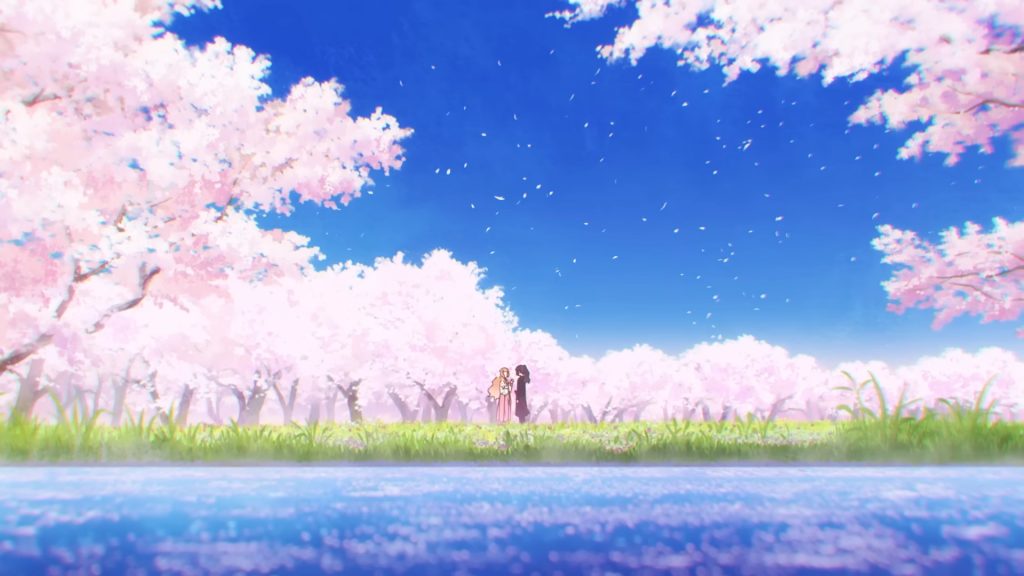
I have been a fan of Kana Akatsuki since Kyoto Animation adapted Violet Evergarden back in 2018, so I was delighted when their latest light novel series, Agents of the Four Seasons, came to the West in 2024. Now that same series has been adapted into an anime by the team at Wit Studio.
The series is set in an alternate version of Japan, where the four seasons are controlled by “Agents”. Each of the four is handled by a specific agency and lives in a town dedicated to that season. Our protagonist is the Agent of Spring, Hinagiku, and her attendant Sakura. As of the start of the series, Japan has gone ten years without seeing a single spring since Hinagiku was kidnapped at just six years old. Although she eventually made her way back, she’s not the same Hinagiku that Sakura knew before. Her mental state is still that of a young child, and she constantly stutters when speaking. Still, together the two have set out to bring spring back to Japan, despite the fact there are still people after them.

Agents of the Four Seasons is not for the faint-hearted. When Hinagiku was kidnapped, she went through horrific things, and not only do we see glimpses of that, but it’s the mental state of Sakura that’s just as worrying at this point. I joke that everyone in this show needs therapy because there is so much unresolved trauma haunting pretty much every single character, from Hinagiku and Sakura through to the Agent of Winter and his guard, who feel responsible for what happened to Hinagiku that day.
It’s difficult viewing, but at the same time utterly fascinating. Akatsuki excels at writing difficult emotionally driven storylines like this, and it’s coupled with a very interesting supernatural premise. It doesn’t feel like a cheap portrayal of trauma either; the author clearly understands the mental health issues that they’re depicting. And the Wit Studio team has been doing a fantastic job of bringing it to life, with a delicate portrayal of the hardships the characters have been through. The anime, like the books, doesn’t wallow in misery and instead opts for quick flashbacks to the past, just long enough to hammer home the emotion without overstaying their welcome.
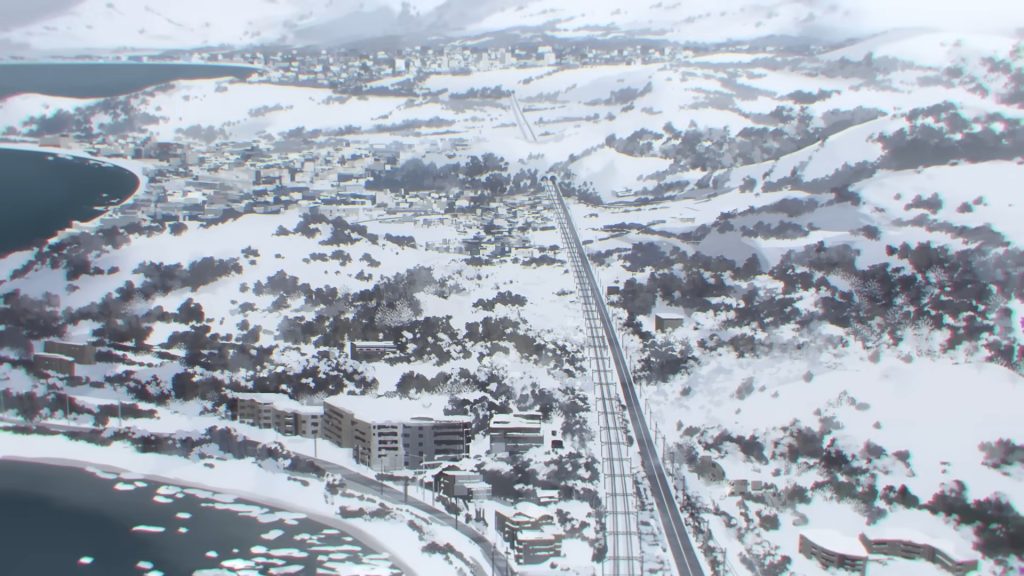
It looks like they’re going to be giving the story the time it deserves, too. The subtitle for the anime is Dance of Spring, which is also the subtitle for the first two light novels. With that in mind, it seems likely they will only adapt those two (which is good as they’re pretty thick!), which gives me a lot of faith in the pacing. The music from Kensuke Ushio is delightful too, perfectly accompanying the visuals and emotions of the story. And of course, the voice actors they’ve picked are doing a fantastic job, especially Yuka Nukui (Anne Halford in Sugar Apple Fairy Tale), who is handling Hinagiku, and Kana Hanazawa (Anri Sonohara in Durarara!!) playing Sakura. This won’t be for everyone, but if you love Violet Evergarden or find yourself intrigued by the premise, then please do give it a go.
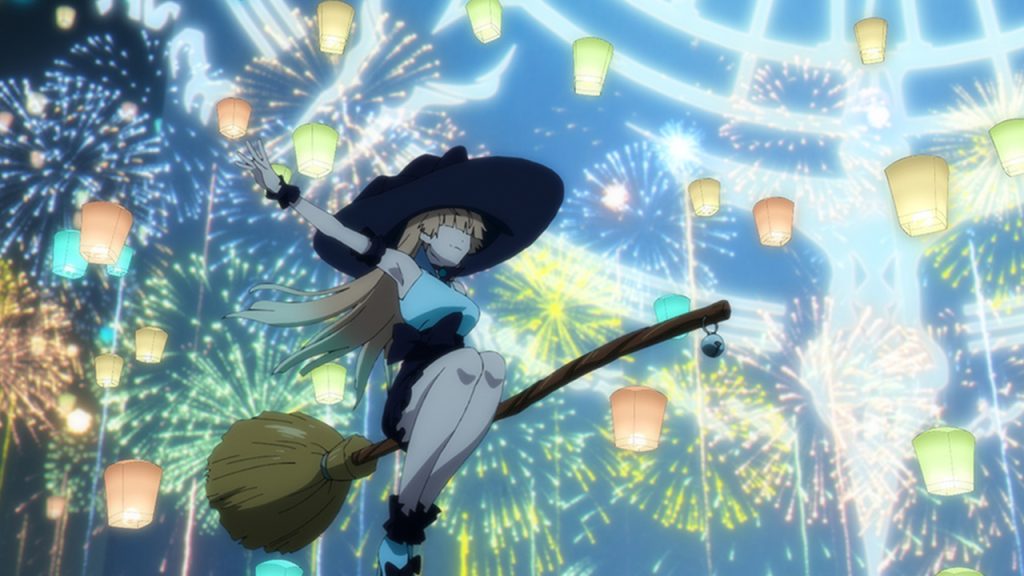
There are a lot of returning shows this season, but most of all I’m happy to see Wistoria: Wand and Sword back for its second season. And we’re dropped straight back into the action. The town is preparing to ring in the new year with the Terminalia Festival, where the five Magia Vander gather to renew the Great Barrier which has protected the world for 500 years. And this year, the festival is targeted by a group of evildoers who teleport in powerful monsters from the dungen.
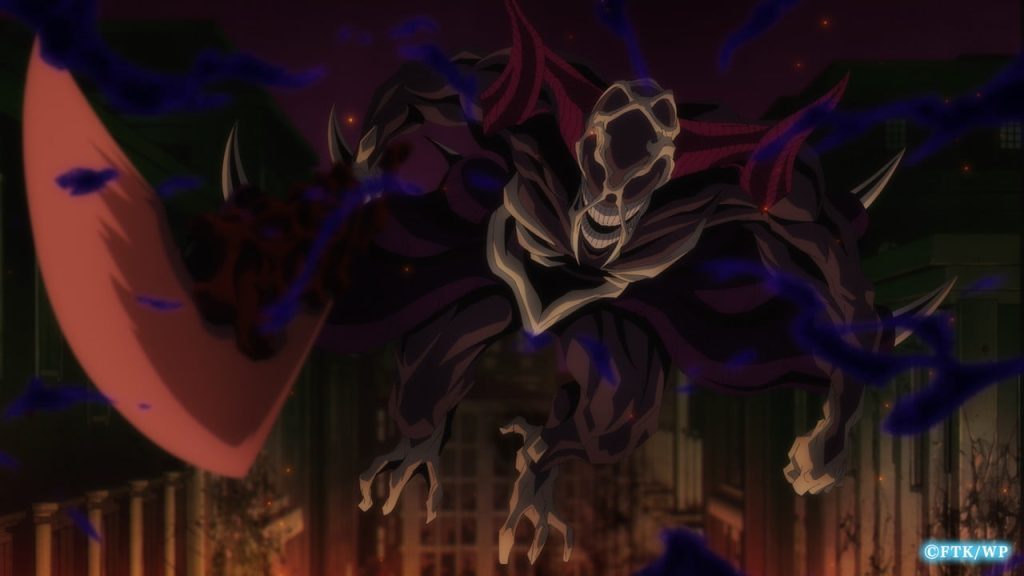
The Magia Vander are entirely out of action since they have to think about the barrier (which takes a lot of magic to renew), so it’s left to the students to fend for themselves and protect the town. Unfortunately, one of these monsters is proving very resistant to magic. Will, who fights with a sword instead of a wand, is the perfect person to take them down, but can he really save everyone all by himself?
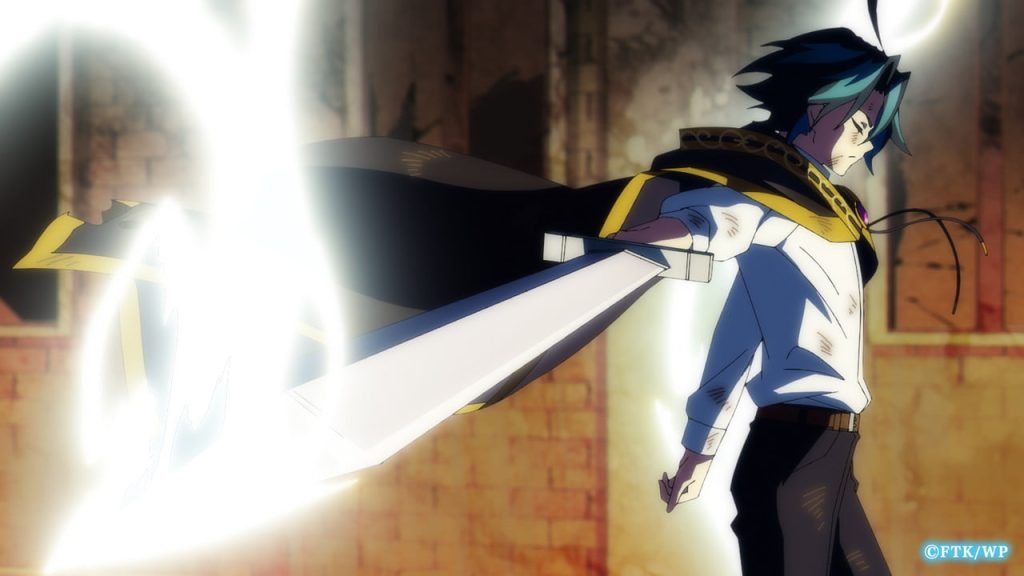
Back when this arc was running in the manga, mangaka Toshi Aoi talked about this already being past the halfway point of the overall Wistoria storyline, which perhaps explains why it’s so dramatic right from the off. We’ve lost the school-life element of the first season, but I think what we’re getting instead still proves compelling viewing. If you enjoyed Season 1, then you’ll undoubtedly be more than happy with what Season 2 has to offer so far.
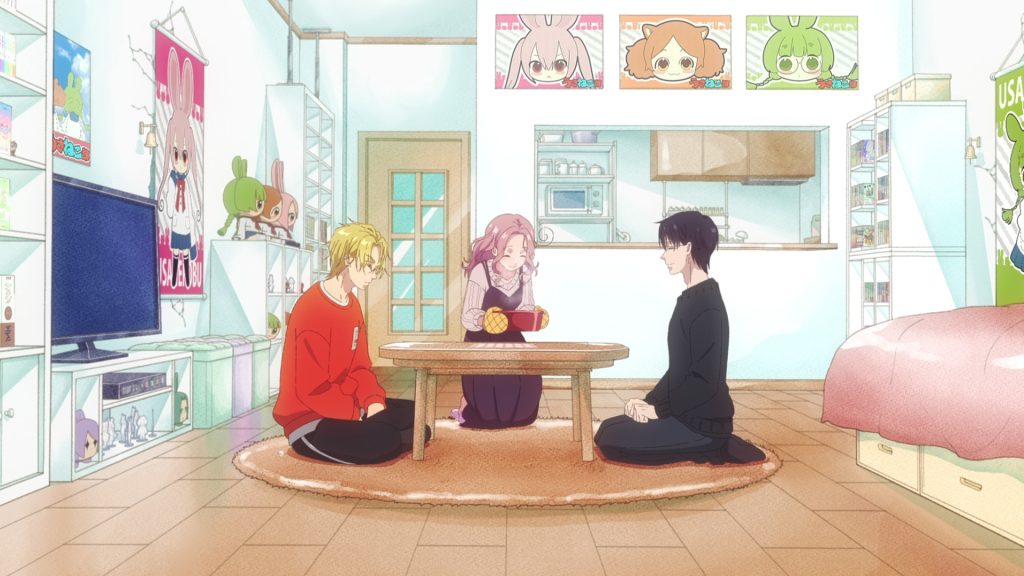
There’s been a number of ‘Hidden Diamonds’ for me this season, with shows like The Klutzy Class Monitor and the Girl with the Short Skirt, The Ramparts of Ice, and Nippon Sangoku: The Three Nations of the Crimson Sun all coming in strong. However, the one that has had me beaming from ear to ear every week is undoubtedly Pardon the Intrusion, I’m Home!
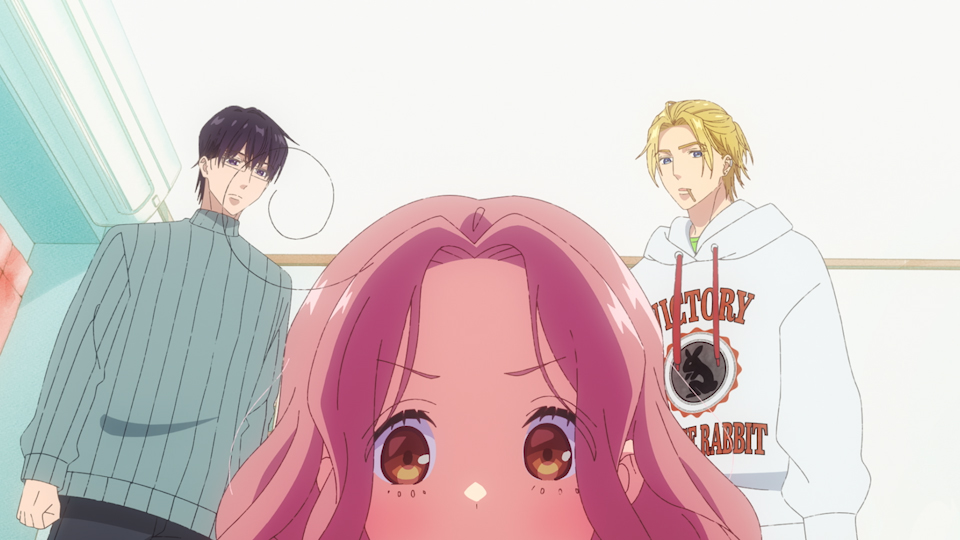
24-year-old Rinko works hard at her office job and looks forward to returning home to her apartment and watching the latest episodes of the anime she’s following. Unfortunately, whenever she tries to watch anything but Bunny and Cat Club, her next-door neighbour bangs on the wall, which is giving her no end of anxiety. Eventually she turns to her other neighbour for help, Akito Satsuki. Akito comes inside and hears the banging, only to hit the wall back, which eventually leads to him and the neighbour fighting so much that a large portion of the wall crumbles and Rinko and Akito find themselves face-to-face with a young man called Haruma Usada.

However, Haruma isn’t as scary as his actions have led Rinko to believe. And it turns out he’s actually the original creator of her beloved Bunny and Cat Club, so all trouble is quickly forgiven. In fact, now Haruma is leaning on Rinko as some kind of assistant (she’s even cooking his meals for him). But Akito has taken an interest in Rinko, even going so far as to suggest he act as her pretend boyfriend for now, so while he doesn’t particularly get on with Haruma, he’s not prepared to leave Rinko alone. And we viewers are left wondering if Akito doesn’t have a secret of his own that’s yet to be revealed. Is he perhaps the author behind Rinko’s beloved novel series…?
This is a delightful comedy series based on an ongoing manga series by Watomura. It’s brought to our screens by studio Tatsunoko Production and is led by the wonderful Kana Hanazawa (Reiko Hosho in The Dinner Table Detective) as Rinko, Kaito Ishikawa (Sakuta Azusagawa in Rascal Does Not Dream of) as Akito and Haruki Ishiya (Kaoru Namikido in Tougen Anki) as Haruma. They’re a group that’s well versed in comedy shows like this, and they play off one another well.
There are some awkward tropes of the romance genre here, especially when it comes to misunderstandings and Haruma’s treatment of Rinko. And Akito, who is often the show’s voice of reason, is simultaneously a problem all of his own! But if you don’t mind those, this is quite charming so far. And even more so if you’re looking for something to replace the hole left behind by Tamon’s B-Side ending; this may not be about idols, but there’s a lot of very similar otaku- and fandom-inspired humour.
Agents of the Four Seasons, Wistoria: Wand and Sword, and Pardon the Intrusion, I’m Home! are all streaming on Crunchyroll.
Cold Cobra
Just two shows stood out to me this season: one is a rather obvious returning series that we’ve technically never covered on one of these seasonal preview/review articles, and the other is a new property from a beloved creator.
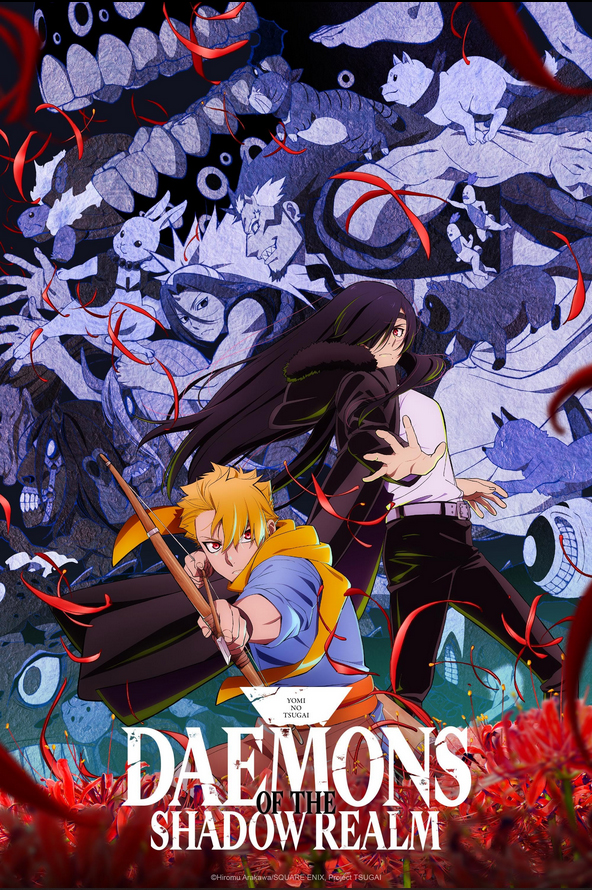
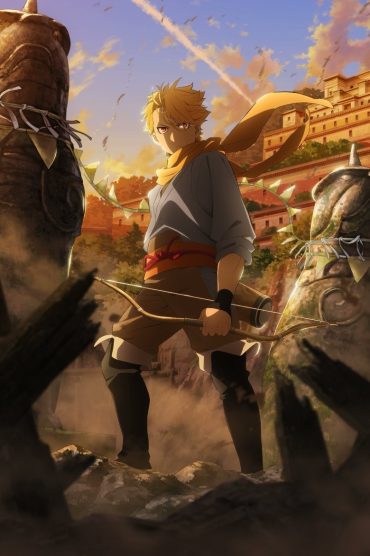
Daemons of the Shadow Realm, which I will immediately say didn’t stand out to me at first because that title is rather generic, is based on the latest manga from Hiromu “Fullmetal Alchemist” Arakawa. This might be easy to spot, given the art style and design of our young blonde-haired protagonist whose goal is to look after his younger sibling but, to its credit, beyond that the setting is rather different from his most famous work. Our previously mentioned protagonist is Yuru, and he is one half of a set of twins with his sister Asa, twins who are very much the “prophesied chosen ones” stereotype, living in a simple medieval community or possibly even fantasy setting as they talk about roaring dragons in the sky. Things take an odd turn though across the first two episodes as the village is invaded by people with modern weaponry and a magic veil falls exposing the village to the reality that they’re on modern day Earth and the “dragons” they heard in the distance were planes flying over the barrier, obscuring them visually but not audibly. It was a fun twist, but it wasn’t the last! Some of the invaders have control over Daemons, monsters invisible to most normal humans that can do some serious damage.
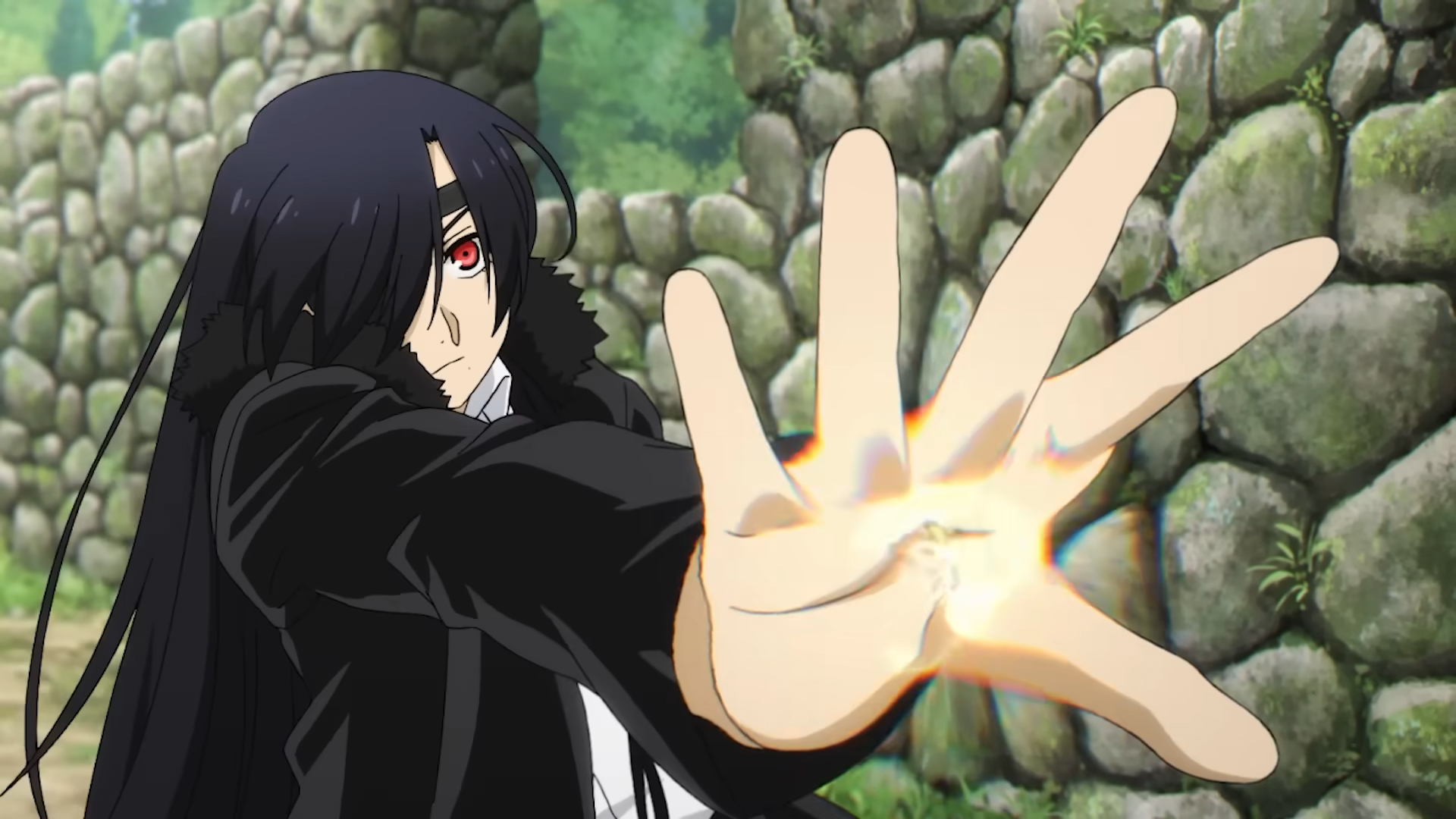
Yuru runs to his sister but she is seemingly killed, only for one of the invading Daemon users to reveal herself as his sister, having grown up more because time apparently passes differently outside of the barrier, where she was taken. This sounds like a major reveal but we’re still only in the opening bit! As you might expect, Yuru being our main protagonist and one half of a chosen ones pair, is given the ability to summon a Daemon himself, or in his case, a pair of Daemons. The village’s stone guardians “the Right and the Left” turn into a pair of human-looking Daemons, one an all-serious female and the other, a large simple-minded male brute type. With his Daemons’ power and the help of some people from the outside, Yuru gets away but now wants to know why his parents escaped with his sister, who is now seemingly his enemy, and left him behind. This is the set-up for the series going forward, or at the very least, its first story arc.
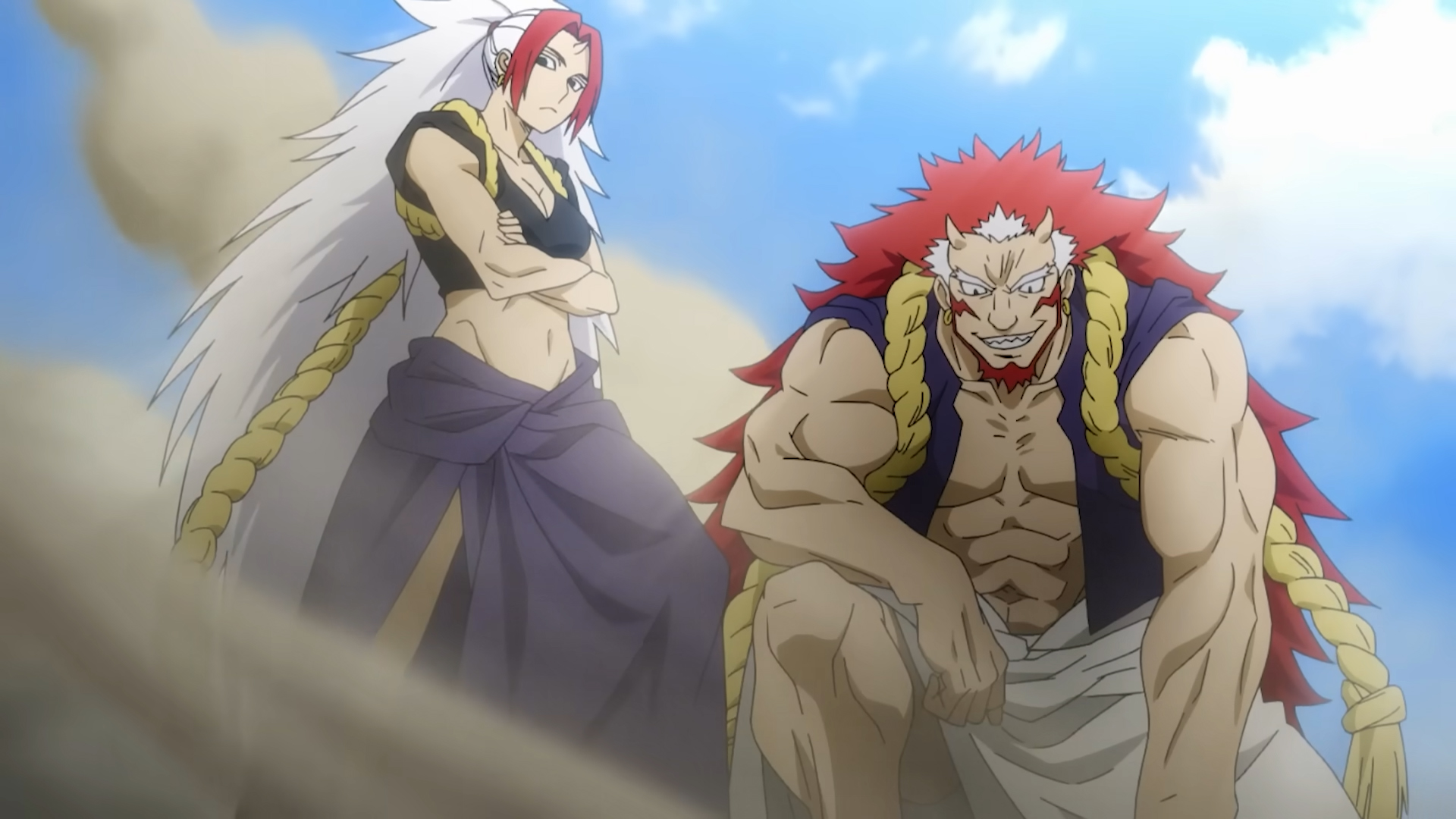
There’s a lot of humour, particularly Yuru and his Daemons being used to a simple medieval life and suddenly finding themselves in a modern city, having to have things like cars and mobile phones described in simple terms, and the action is good when it happens. I’ve always liked Arakawa’s art style and given it’s being animated by Bones there wasn’t any worry about animation quality either. It will be interesting to see how the show goes, which is running for two cours back-to-back, but I can say the initial premise and opening episodes have captured my interest and I’ll definitely be tuning in.

One Piece had been running pretty much uninterrupted from October 1999 until December last year, a run so long that it’s older than some people reading this article. It seems after years/decades of stretching the manga material to within an inch of its life and filling it with recap episodes, someone finally thought “maybe we should switch to that seasonal style that other shows have done?” and here we are, for the first time ever, a “cour” of One Piece. The plan going forward is to do two cours a year and therefore allow a “slightly” faster pace of adaptation of the source material with less of a risk of catching up due to taking half a year off each year.
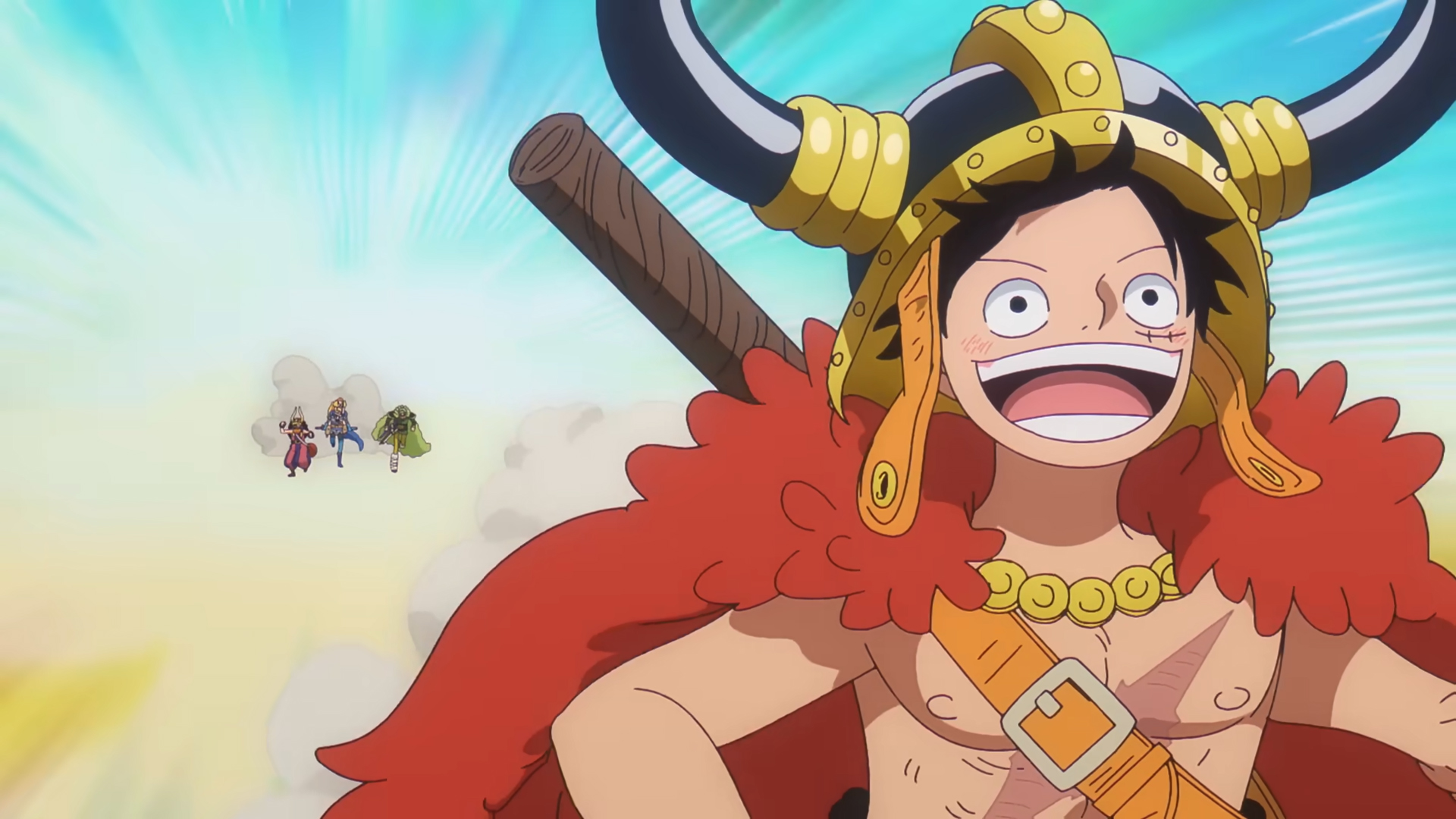
This season kicks off the Elbaph arc (or “Elbaf” as its written in some places…) where the Straw Hat crew arrive in the titular island of giants, an island teased so far back in the story that it’s already been adapted by the live action series, which is (understandably) well over 20 years behind the anime’s place in the story. That being said, the first four episodes of this arc feel like anime filler as it takes place in the “Block Kingdom”, with the original crew of Luffy, Zoro, Usopp, Nami, Sanji and eventually Chopper waking up in a, well, kingdom that looks like it’s made out of (legally distinct from) Lego blocks. As you might imagine, these opening episodes are more interested in having a fun runaround full of lots of gags and characters pulling over-exaggerated faces as they’re approached by giant cats and the like than any kind of serious action. Given the end of the previous Egghead arc and what’s to come later in this arc, I assume author Eiichiro Oda felt like the series needed a bit of a reprieve from some of the more action/drama-heavy story beats that come naturally from beginning to reach the end of your story (slowly but surely!) and in that way it works, because it is a good bit of fun.
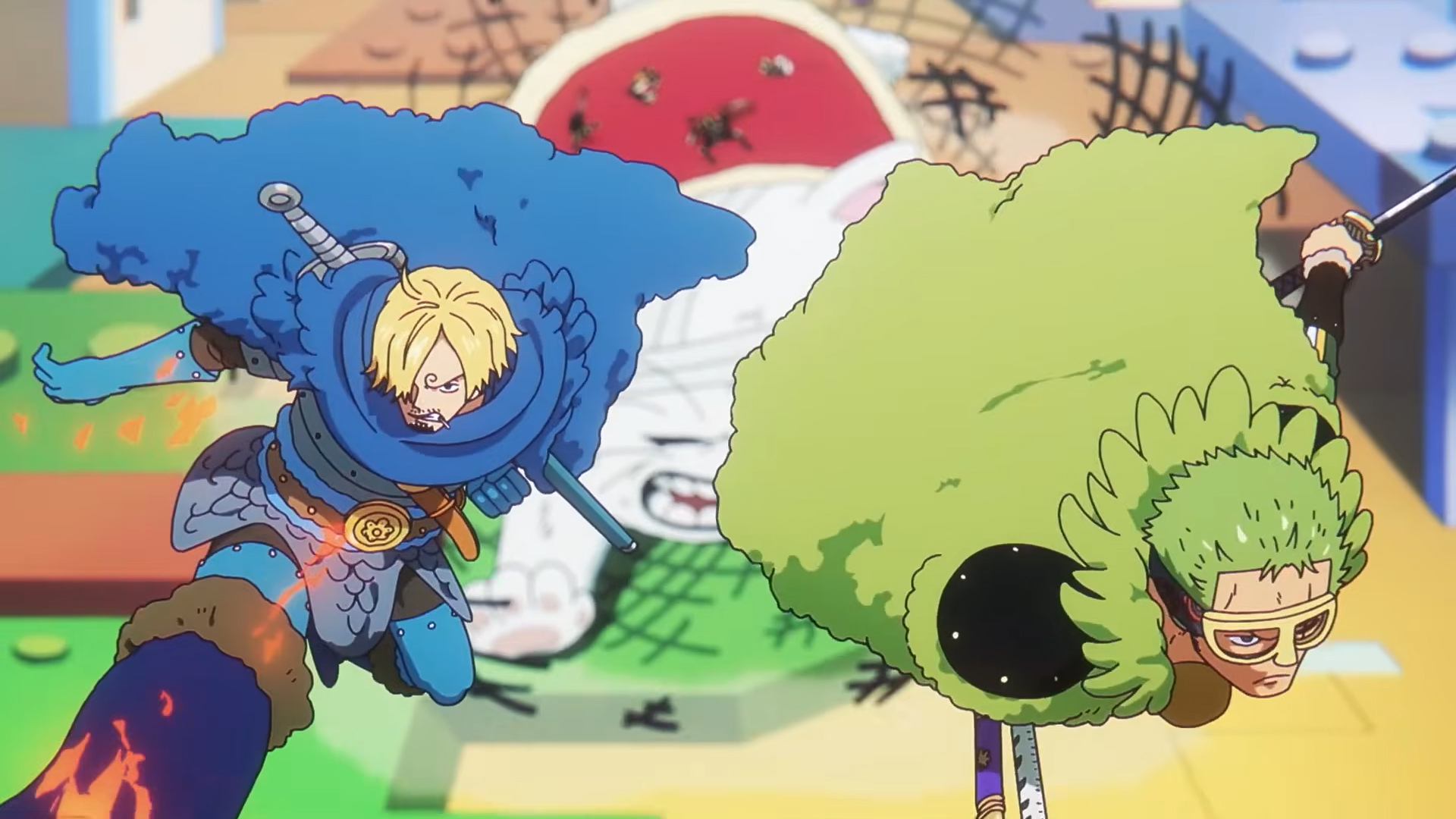
As you might have guessed, given they were heading to the land of giants, the “Block Kingdom” is actually a giant’s diorama made from his toy blocks. Eventually the crew find the edge of display case and break out, only to have to contend with the angry giant whose toy “kingdom” they just ruined. If you’re not digging the return to humour and the break from the big world-altering story that began moving recently then don’t worry, as the title of Episode 5 contains the name of a new and important character that plonks the story back onto its “approaching the endgame… eventually” tracks. Overall though, I’m happy to see the show return to adapting manga without the fear of yet another recap episode breaking up the pace, and long may it continue (for however long the manga continues!)
Daemons of the Shadow Realm and One Piece are both streaming on Crunchyroll.